SaaS Business
Buying & Selling Codebases: A Developer Guide to Micro-Exits (2026)
In 2026, shipping a $3K-$15K MRR tool in months and selling it for 24-40x monthly profit is a viable career. Here is how developers execute micro-exits.

Contents (11)
- Introduction
- Key Takeaways
- Why Developers Are Increasingly Treating Codebases as Assets
- What Makes a Codebase Sellable in 2026
- Step-by-Step: Preparing Your Codebase for Sale (Seller's Guide)
- Where to Sell Your Codebase in 2026
- Buying Codebases: The Developer's Acquisition Playbook
- The Transaction: Closing a Micro-Exit Smoothly
- Real 2025-2026 Micro-Exit Examples & Lessons
- Risks & Pitfalls to Avoid in 2026
- Conclusion & Next Steps
Quick answer: A micro-exit is the sale of a small bootstrapped codebase, usually between $10,000 and $500,000. In 2026 micro-SaaS prices at 2-5x annual recurring revenue or 18-36x monthly profit, and the typical selling window is 6-18 months after traction, at $3,000-$15,000 MRR with three consistent months behind it. Deals close through Acquire.com, Flippa, Empire Flippers, or SaaSCity.io, with funds held at Escrow.com until the buyer confirms the transfer.
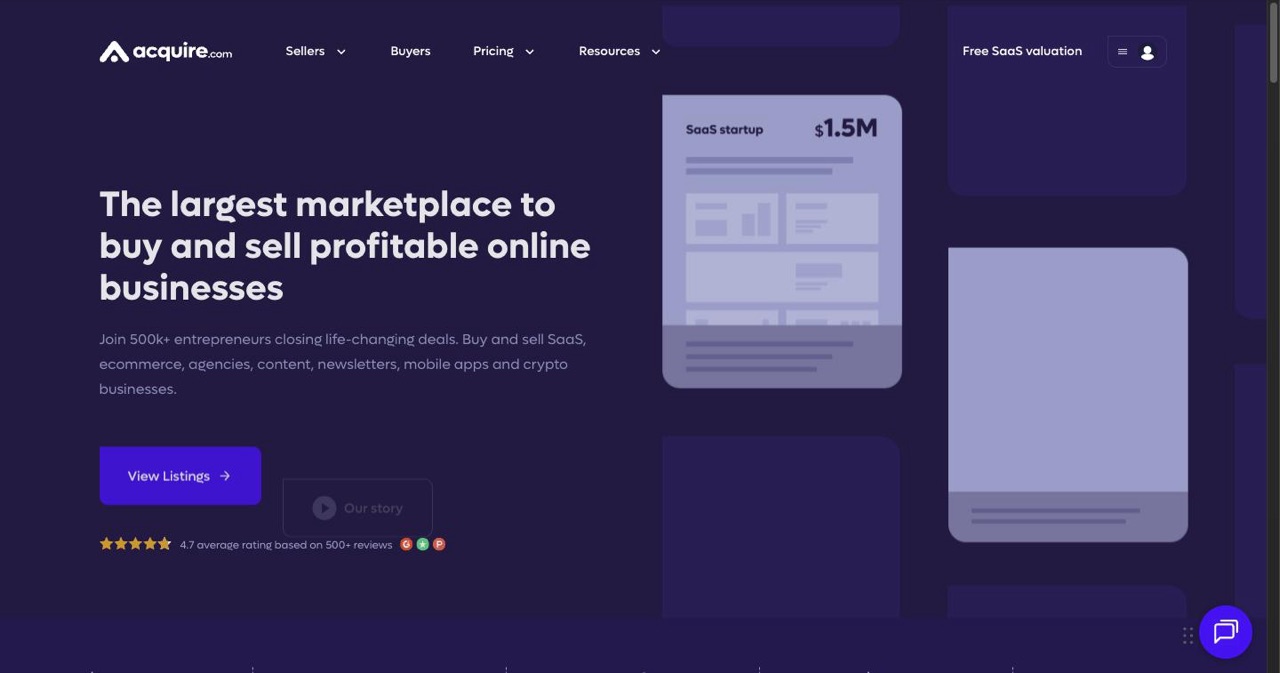
In 2026, shipping a $3K-$15K MRR tool in months - then selling it for 24-40× monthly profit - is no longer rare. Here's how developers actually execute micro-exits today.
Introduction
The landscape of software entrepreneurship has fundamentally shifted. In 2026, micro-exits—selling small, bootstrapped codebases for $10,000 to $500,000—have become a viable career strategy for developers worldwide. These exits typically value businesses at 2-5× annual recurring revenue (ARR), with AI-enhanced tools and data-intensive products commanding premium multiples.
What makes this moment unique is the convergence of several powerful trends. AI coding assistants have dramatically reduced the time and cost required to build production-ready applications. Low-code and no-code platforms have expanded the market for technical solutions. Meanwhile, buyer demand for plug-and-play revenue streams has never been stronger, as investors and acquirers seek alternatives to traditional venture capital paths.
The 2026 reality reflects both opportunity and competition. While AI has shortened the build-to-revenue timeline from years to months, it has also increased the number of products competing for attention. Success now depends less on being first to market and more on execution quality, clear value propositions, and sustainable revenue models.
This guide is designed for solo developers, indie hackers, and side-project builders seeking liquidity without pursuing venture capital. Whether you're building your first micro-SaaS or preparing to sell an established codebase, understanding the micro-exit ecosystem can transform how you approach software development as an asset-building activity.
💡 Pro Tip: If you're building projects with exit potential, listing them early on marketplaces like SaaSCity.io (a comprehensive SaaS, app, and startup directory) can help you track market interest and connect with potential buyers even before you're ready to sell.
Key Takeaways
- Price range: Micro-exits sell bootstrapped codebases for $10,000 to $500,000, usually at 2-5x ARR or 18-36x monthly profit.
- Sell window: The common exit point is 6-18 months after traction, at $3,000-$15,000 MRR with three consecutive consistent months.
- What buyers pay premiums for: Recurring revenue, clean modular architecture, low maintenance burden, a defensible moat, and transferability away from the founder.
- What kills deals: Technical debt, GPL license contamination, single-platform API dependency, mixed personal and business finances, and one customer above 30-40% of revenue.
- Marketplace fit: Acquire.com for deals above $50,000 at 3-5% commission, MicroAcquire for $10,000-$200,000, Flippa for $5,000-$50,000, Empire Flippers for no-code hybrids, SaaSCity.io for any stage including abandoned projects.
- Closing mechanics: LOI, then 7-21 days of due diligence, then an asset purchase agreement, with Escrow.com holding funds until the buyer confirms migration.
- Real multiples: Documented exits include an AI analytics tool at $128,000 (32x monthly profit), a no-code hybrid at $45,000 (37.5x), and a data-heavy developer tool at $215,000 (28x).
Why Developers Are Increasingly Treating Codebases as Assets
The traditional developer career path—climbing the ladder at a single company or pursuing a single moonshot startup—is giving way to a portfolio approach. Smart developers in 2026 are building multiple smaller assets rather than betting everything on one big swing.
The Portfolio Career Model
Consider this: three successful micro-exits at $50,000, $120,000, and $200,000 over five years generates $370,000 in liquidity events while providing continuous learning and market validation. This approach reduces burnout risk, allows for niche experimentation, and provides multiple shots on goal rather than a single all-or-nothing venture.
The financial mathematics are compelling. A developer who builds and sells four $80,000 projects over six years while maintaining a day job or consulting practice generates substantial wealth while preserving income stability. Each project becomes a learning opportunity, reducing the time and cost required for subsequent builds.
Benefits of the Micro-Exit Approach
- Faster capital recycling: Instead of waiting years for a big exit or IPO, developers can access capital within 12-24 months of starting a project, reinvesting proceeds into new opportunities or personal financial goals.
- Reduced burnout risk: Working on a project for 18 months with a clear exit strategy is psychologically different from committing to a 7-10 year venture-backed journey. Micro-exits provide natural stopping points and fresh starts.
- Rapid market validation: Building multiple small products allows developers to test different niches, technologies, and business models without catastrophic failure risk. Each project provides valuable market intelligence.
- Portfolio diversification: Rather than depending on a single company's success, developers can spread risk across multiple revenue streams and asset categories, from SaaS tools to data products to developer utilities.
The 2026 Reality: AI Changes Everything
Artificial intelligence has fundamentally compressed development timelines. What once required six months of full-time development can now be accomplished in six weeks with AI-assisted coding. Tools like GitHub Copilot, Cursor, and Claude have become force multipliers, handling boilerplate code, debugging, and even architectural decisions.
However, this acceleration cuts both ways. Easier building means more competition. The bar for what constitutes a sellable codebase has risen significantly. Buyers in 2026 expect clean architecture, comprehensive documentation, proven revenue, and evidence of sustainable competitive advantage. Simply having working code is no longer sufficient—execution quality, market positioning, and revenue consistency matter more than ever.
The winners in this environment are developers who combine AI productivity with strategic thinking, focusing on defensible niches, strong customer relationships, and products that solve real problems better than alternatives.
What Makes a Codebase Sellable in 2026
Not all codebases are created equal in the eyes of buyers. Understanding what characteristics command premium valuations versus what triggers red flags can mean the difference between a successful exit and months of fruitless negotiations.
Core Traits Buyers Pay Premiums For
- Recurring revenue models: SaaS products with monthly or annual subscriptions consistently command higher multiples than one-time purchase tools. In 2026, expect 3-4× ARR for proven SaaS versus 1-2× annual revenue for one-time payment models. Subscription revenue provides predictability and customer lifetime value that buyers prize.
- Clean, AI-friendly architecture: Modular codebases with clear separation of concerns, comprehensive documentation, and AI-optimized structure (meaning code that AI assistants can easily understand and extend) sell faster and at higher multiples. Buyers want to maintain and improve the product, not rewrite it.
- Low maintenance burden: Products built on stable, well-supported technologies with minimal dependencies and good test coverage reduce buyer risk. A codebase requiring constant attention to prevent breaking is worth significantly less than one that runs reliably with minimal intervention.
- Defensible positioning: Whether through proprietary data, strong SEO rankings, established brand recognition, integration complexity, or network effects, some form of moat increases value. Pure commodity tools competing solely on price are difficult to sell profitably.
- Transferability: Products that depend heavily on the founder's personal brand, specific industry connections, or active daily involvement are harder to sell. Buyers want assets that can operate independently or with minimal involvement after transition.
Red Flags That Kill Deals
Certain characteristics can make a codebase virtually unsellable, regardless of revenue. Understanding these pitfalls helps developers build with exit potential from the start.
- Significant technical debt: Spaghetti code, missing tests, undocumented business logic, and architectural shortcuts that 'will be fixed later' dramatically reduce value. Buyers conducting technical due diligence will discover these issues, leading to deal collapse or severe price reductions.
- License contamination: Using GPL or other copyleft-licensed code in proprietary products without proper compliance can create legal liability that makes a project unsellable. Buyers are increasingly sophisticated about license audits.
- Platform dependency risk: Products built entirely on a single platform's API (especially social media platforms with histories of developer-hostile policy changes) face existential risk. Buyers heavily discount or avoid these dependencies.
- Murky financials: Mixed personal and business expenses, unclear revenue attribution, or inability to provide clean profit and loss statements signal operational immaturity that sophisticated buyers avoid.
- Customer concentration: If more than 30-40% of revenue comes from a single customer or if there's high churn risk, the business becomes significantly less attractive. Diversified customer bases reduce buyer risk.
🔍 Marketplace Insight: Platforms like SaaSCity.io allow you to list projects at various stages—including abandoned ones that might still have value to the right buyer. Sometimes even incomplete projects with good foundations find buyers willing to finish the development.
Step-by-Step: Preparing Your Codebase for Sale (Seller's Guide)
Successfully selling a codebase requires methodical preparation. The sellers who command premium valuations are those who approach the sale professionally, anticipating buyer concerns and presenting their asset in the best possible light.
Step 1: Decide on Exit Timing
Timing matters significantly in micro-exits. Selling too early, before establishing consistent revenue patterns, results in lower multiples and skeptical buyers. Selling too late, after growth has plateaued or begun declining, raises questions about the product's viability.
The ideal exit window typically occurs 6-18 months after achieving initial traction, when monthly recurring revenue has stabilized and growth trends are clear. For most micro-SaaS products, this means selling once you've reached $3,000-$15,000 in MRR with at least three months of consistent performance. At this stage, buyers can confidently model future revenue while the product still has clear growth runway.
Consider personal factors as well. Are you ready to move on to a new project? Do you have the time and energy to continue growing the business? Sometimes the best exit timing is when you've validated the concept but before burnout sets in.
Step 2: Documentation & Packaging
Professional documentation separates serious sellers from amateurs. Buyers want confidence that they can understand, maintain, and extend the codebase without heroic reverse-engineering efforts.
Your documentation package should include a comprehensive README covering project overview, technical architecture, deployment instructions, and key business metrics. Create an architecture diagram showing how major components interact, which databases are used, what APIs are integrated, and where external dependencies exist.
Develop a detailed transfer checklist covering all accounts, credentials, and access points. This includes domain registrations, hosting accounts, payment processor credentials, email service providers, analytics platforms, social media accounts, and any third-party API keys. Buyers need assurance that the handoff will be smooth and complete.
Perform a code hygiene pass using 2026 AI tools. Run automated linting to fix formatting inconsistencies. Use AI code review tools to identify potential bugs or security issues. Ensure dependencies are up to date and not flagged for security vulnerabilities. Clean code inspires buyer confidence and reduces negotiation friction.
Step 3: Financial Cleanup
Financial clarity is non-negotiable in serious acquisitions. Buyers will scrutinize your numbers, and inconsistencies or confusion can torpedo deals at advanced stages.
Create a clean profit and loss statement showing all revenue sources and categorized expenses. Separate business expenses from personal costs—if you've been running everything through one account, take the time to categorize properly. Buyers need to see true operational costs, not inflated numbers that include your personal Netflix subscription.
Document revenue by source. If you have multiple pricing tiers, affiliate partnerships, or one-time consulting revenue alongside subscription income, break these out clearly. Show monthly recurring revenue trends, churn rates, and customer lifetime value if possible. The more transparency you provide upfront, the smoother due diligence proceeds.
Step 4: Valuation Reality Check
Setting the right asking price balances maximizing value with market realism. Overpriced listings languish for months, while underpriced assets leave money on the table.
In 2026, expect micro-SaaS valuations in the 2-5× annual recurring revenue range, though specific multiples vary by factors including growth rate, profit margins, market position, and technical quality. A $10,000 MRR SaaS with strong growth might command 4× ARR ($480,000), while a flat or declining project might only achieve 2× ARR ($240,000).
Monthly profit multiples (18-36×) provide another framework. This approach better captures profitability for businesses with varying cost structures. A project earning $8,000 monthly profit might sell for 24× monthly profit ($192,000).
AI-niche products, particularly those with proprietary data sets or unique algorithmic approaches, sometimes command premium multiples. Data-heavy tools with established customer bases willing to pay for insights can achieve 5-6× ARR in competitive bidding situations.
Step 5: Teaser Creation
Your listing teaser is the first impression potential buyers receive. Create an anonymous listing that highlights key metrics without revealing the specific product. Include monthly recurring revenue, profit margins, customer count, growth trajectory, and technology stack.
Screenshot a metrics dashboard showing revenue trends, but obscure identifying details. Write a compelling description focusing on the problem solved, target market, and competitive advantages. Professional teasers generate quality buyer interest while maintaining confidentiality until serious discussions begin.
Where to Sell Your Codebase in 2026

Choosing the right marketplace significantly impacts deal timeline, quality of buyers, and final sale price. Different platforms serve different seller needs and buyer segments.
Main Marketplaces Ranked by Volume
Acquire.com remains the dominant platform for deals above $50,000, specializing in SaaS and online businesses with proven revenue. The platform attracts serious buyers including private equity firms, strategic acquirers, and well-capitalized individuals. Expect thorough due diligence and professional negotiations. Commission structures typically run 3-5% of deal value.
MicroAcquire (or its 2026 successors) focuses on the indie hacker community, facilitating smaller deals in the $10,000-$200,000 range. The platform emphasizes speed and simplicity over exhaustive due diligence, making it ideal for straightforward micro-SaaS products with clear metrics.
Flippa and IndieMaker serve the broader market including content sites, e-commerce stores, and smaller digital assets alongside SaaS. These platforms work well for lower-priced deals ($5,000-$50,000) and provide auction-style or fixed-price listing options.
Empire Flippers has evolved to handle no-code and hybrid products particularly well. If your project combines traditional development with no-code platforms like Bubble, Webflow, or Airtable, Empire Flippers' vetted buyer network understands these architectures.
CodeCanyon and Codester specialize in code scripts, themes, and smaller utilities rather than full businesses. These platforms suit developers selling standalone components, WordPress plugins, or development tools without significant recurring revenue.
SaaSCity.io provides a comprehensive directory and marketplace where you can list both active projects and abandoned codebases. The platform's unique value is connecting with buyers interested in various project stages, from fully operational businesses to interesting foundations that need development. This flexibility makes it valuable for sellers with diverse portfolios.
Buying Codebases: The Developer's Acquisition Playbook
Acquiring existing codebases offers compelling advantages over building from scratch. Smart buyers understand how to identify opportunities, conduct thorough due diligence, and negotiate favorable terms.
Why Buy Instead of Build in 2026
Even with AI-accelerated development, acquiring a proven product shortcuts the most difficult phase of entrepreneurship: achieving product-market fit. A codebase generating $5,000 monthly recurring revenue has already validated that customers will pay for the solution. Buying eliminates months or years of customer development, feature experimentation, and market education.
Established products come with existing customer relationships, organic search traffic, brand recognition, and operational knowledge. These assets, often undervalued in purchase negotiations, provide immediate competitive advantages. A six-month-old SaaS with 100 paying customers offers distribution channels and customer insights impossible to replicate quickly through organic growth.
Time arbitrage matters significantly. If you can acquire a profitable business for 24× monthly profit, you're essentially buying two years of proven cash flow. If you can improve operations, add features customers want, or expand into adjacent markets, the investment can generate multiples of the purchase price.
How to Source Deals
Successful acquirers develop systematic sourcing processes rather than reacting to random opportunities. Set up alerts on major marketplaces filtering for your criteria-technology stack, revenue range, industry focus, and business model.
Monitor platforms like SaaSCity.io where sellers list projects at various stages, including abandoned codebases with valuable foundations. Sometimes the best opportunities are incomplete projects sold by overwhelmed founders who couldn't see them through. If you have execution capability and industry knowledge, these assets can be acquired at substantial discounts to replacement cost.
Build relationships in acquisition communities. Join Indie Hackers discussions, follow acquisition-focused accounts on X, participate in entrepreneurship forums. Many deals happen through referrals and private networks before reaching public marketplaces. Developing a reputation as a fair, decisive buyer opens doors to off-market opportunities.
Due Diligence Checklist for 2026
Thorough due diligence protects against costly mistakes. While enthusiasm for an opportunity is valuable, systematic verification prevents emotional decisions that lead to buyer's remorse.
Revenue verification: Request direct access to Stripe, Paddle, or other payment processor dashboards. Screenshots can be manipulated, but live account access shows unfiltered truth. Verify that revenue trends match seller claims and that churn rates are sustainable. Look for concerning patterns like a few large customers accounting for disproportionate revenue.
Code audit: Review the codebase for quality, security vulnerabilities, and maintainability. Check dependency versions for known security issues. Verify that the architecture matches documentation. Look for testing coverage, particularly for critical business logic. Consider whether the code is something you or your team can confidently maintain and extend.
Customer and churn analysis: Review customer support tickets to understand common issues and complaints. Analyze churn patterns—are customers leaving because they solved their problem (natural churn) or because they're dissatisfied (problematic churn)? High support burden or concerning churn patterns should adjust your valuation downward.
Legal and IP verification: Confirm the seller actually owns all intellectual property being transferred. Check for any licensing issues, particularly around third-party code libraries. Verify that all necessary agreements—terms of service, privacy policies, customer contracts—are in place and transferable.
Negotiation Tactics
Earnouts and holdbacks have become standard in micro-acquisitions, protecting buyers against revenue volatility or undisclosed issues. A typical structure might involve paying 60-70% at closing, with the remainder tied to revenue performance over 3-6 months or as a holdback released after transition completion. These mechanisms align incentives and reduce risk for both parties. Don't be afraid to propose creative deal structures that address specific concerns while keeping transactions moving forward.
The Transaction: Closing a Micro-Exit Smoothly
Understanding transaction mechanics helps both buyers and sellers navigate the closing process efficiently, avoiding common pitfalls that derail deals at advanced stages.
Typical Process in 2026
The standard micro-acquisition follows a predictable sequence. Initial discussions and listing review lead to a letter of intent (LOI) outlining proposed terms, price, and timeline. The LOI isn't legally binding but establishes good-faith negotiating parameters.
Following LOI acceptance, the buyer conducts due diligence as outlined above. This phase typically lasts 7-21 days depending on deal complexity. Simultaneously, parties draft the asset purchase agreement covering exactly what's being transferred, payment terms, warranties, and post-closing obligations.
Once due diligence satisfies the buyer and legal documents are finalized, funds move to escrow. The seller begins transferring assets—code repositories, domain names, hosting accounts, customer databases, and access credentials. After the buyer confirms successful migration, escrow releases funds to the seller.
Escrow Services Most Used
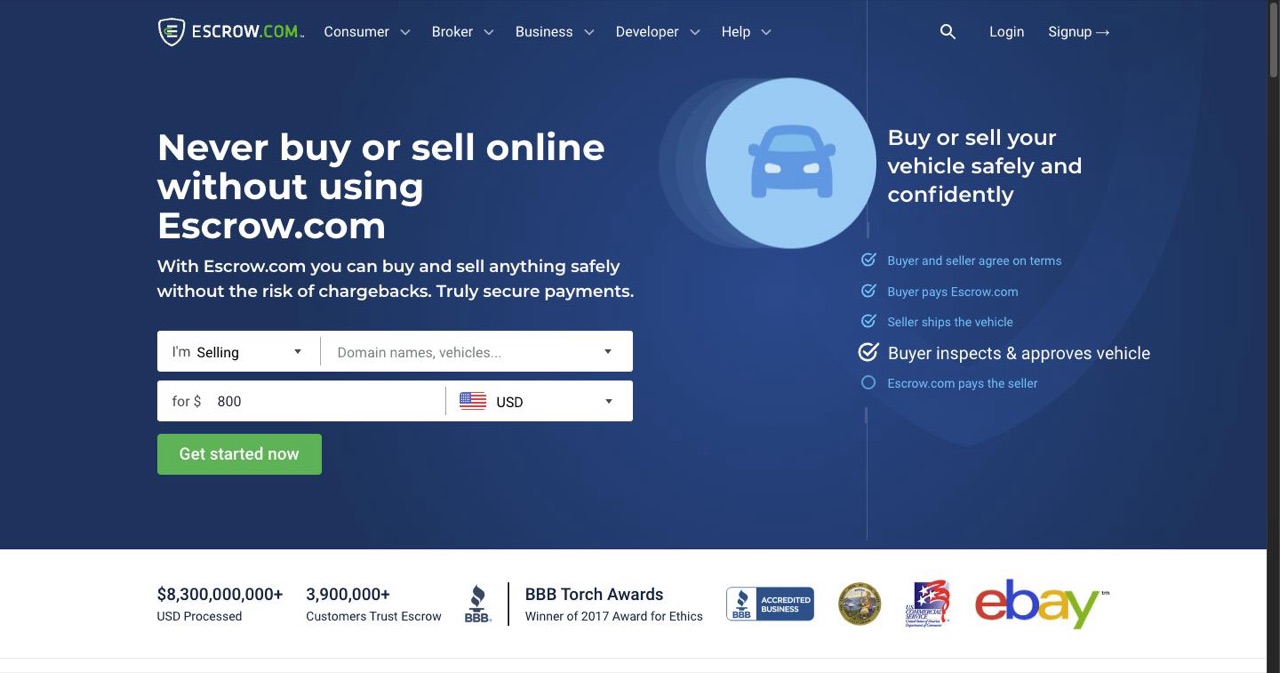
Escrow.com remains the gold standard for transaction security, charging percentage-based fees typically paid by the buyer. For deals under $50,000, some marketplaces offer integrated escrow services as part of their platform fees, simplifying the process.
Never transfer assets before receiving payment in escrow, and never release escrow funds before confirming asset receipt. These basic protections prevent the majority of transaction fraud in micro-acquisitions.
Post-Sale Handover Best Practices
A standard 1-3 month support period helps ensure successful transition. The seller remains available to answer questions, explain undocumented processes, and assist with unexpected issues. This support is typically light-touch—responding to questions within 24-48 hours rather than active daily involvement.
Document everything during handover. Record video walkthroughs of administrative processes. Create written guides for common customer issues. The more knowledge transfer that occurs, the smoother the transition and the better the relationship between buyer and seller.
Tax Considerations
In most jurisdictions, proceeds from selling a business qualify for capital gains treatment rather than ordinary income rates. However, tax treatment varies significantly based on location, business structure, holding period, and deal structure. Consult with a qualified tax advisor in your jurisdiction before finalizing any sale. Proper tax planning can save tens of thousands of dollars on larger exits.
Real 2025-2026 Micro-Exit Examples & Lessons
Examining actual micro-exits provides context for valuations, timing, and strategies that work in practice rather than theory.
Case Study 1: AI-Powered Analytics Tool ($128,000 Exit)
A solo developer built a niche analytics platform using Claude API to provide automated insights for e-commerce stores. After 8 months of development and growth reaching $4,000 MRR with 42 customers, the founder listed on Acquire.com.
The business sold for $128,000 (32× monthly profit, or 2.7× ARR) to a strategic buyer operating adjacent SaaS products. Key success factors included clean React/Node.js codebase, comprehensive API documentation, and proprietary prompt engineering that delivered unique insights competitors couldn't easily replicate.
Lessons: AI integration commanded a premium multiple, but only because the implementation was defensible. Generic ChatGPT wrappers wouldn't have achieved similar valuations. The buyer valued the customer relationships and market positioning as much as the technology itself.
Case Study 2: No-Code to Code Hybrid Utility ($45,000 Exit)
An indie hacker created a workflow automation tool combining Airtable (no-code) with custom Python backend processing. The product served freelance designers, automating client onboarding and project management.
Starting with $1,200 MRR after 14 months of part-time development, the founder sold for $45,000 (37.5× monthly profit) through direct outreach to a freelance designer community. The buyer saw opportunity to expand into adjacent freelance markets.
Lessons: No-code components didn't hurt valuations when they solved real problems elegantly. The hybrid approach actually made the product more accessible to non-technical buyers who could modify Airtable bases without touching code. Strong community relationships enabled direct sale without marketplace fees.
Case Study 3: Data-Heavy Developer Tool ($215,000 Exit)
A developer built a specialized testing and monitoring tool for a specific framework, accumulating proprietary performance benchmarks and compatibility data over 18 months. Revenue reached $7,500 MRR with extremely low churn among developer customers who integrated the tool into their workflows.
The business sold for $215,000 (28× monthly profit, or 3.6× ARR) to a larger developer tools company seeking to expand their product suite. The proprietary dataset, which would take competitors years to replicate, commanded the premium valuation.
Lessons: Data moats remain highly valuable even in the AI era. Products that accumulate unique information over time rather than just providing computation create defensible competitive positions that buyers pay premiums to acquire.
📊 Success Pattern: All three successful exits shared common traits: proven revenue, clean codebases, defensible positioning, and buyers who saw strategic value beyond pure financial returns. Listing on marketplaces like SaaSCity.io early in development can help you gauge market interest and potentially connect with strategic buyers before you're ready for a full exit.
Risks & Pitfalls to Avoid in 2026
Understanding common mistakes helps developers avoid expensive learning experiences. The micro-exit landscape contains specific hazards that can destroy value or prevent sales entirely.
Over-Optimizing for AI at Expense of Maintainability
Some developers build architectures overly dependent on AI coding assistants, creating code that works but that humans struggle to understand and modify. While AI-friendly code is valuable, it must also be human-maintainable. Buyers conducting technical due diligence will discover code that relies on magic AI-generated components without clear documentation or logical structure.
Ignoring Churn When Multiples Look Attractive
High gross revenue with equally high churn creates an illusion of success that collapses under scrutiny. A business showing $10,000 MRR but churning 15% of customers monthly requires constant new customer acquisition just to maintain revenue. Sophisticated buyers calculate lifetime value and recognize unsustainable growth patterns. Focus on retention metrics alongside revenue growth to build real value.
Platform Dependency Risk
Building exclusively on a single platform's API—particularly social media platforms—creates existential risk that buyers heavily discount. Twitter/X API changes, Facebook platform policy shifts, and similar events have destroyed numerous businesses overnight. Diversify dependencies or focus on platforms with stable, developer-friendly track records.
Market Saturation in AI Niches
Certain AI application categories have become oversaturated, with hundreds of nearly identical products competing primarily on price. Generic AI writing assistants, basic chatbot builders, and simple automation tools rarely command premium valuations unless they have strong distribution advantages or proprietary approaches. Before building in obviously crowded spaces, identify specific differentiation that will matter to both customers and eventual buyers.
Conclusion & Next Steps
The micro-exit path represents a fundamental shift in how developers can build wealth and career satisfaction. Rather than pursuing single moonshot opportunities or climbing traditional corporate ladders, the portfolio approach offers multiple chances for success, continuous learning, and financial independence.
Success in this model requires thinking like an asset builder rather than just a software developer. Every project becomes an opportunity to create value that can be realized through exit rather than requiring decades of operation. This mindset shift—viewing codebases as sellable assets from inception—influences architecture decisions, business model choices, and growth strategies.
The 2026 landscape favors prepared developers. AI has lowered barriers to building, but raised bars for what constitutes a valuable, sellable asset. Clean code, proven revenue, defensible positioning, and professional documentation separate successful exits from projects that languish unsold.
Immediate Action Items
If you're currently building a side project, audit it against the sellability criteria outlined in this guide. Does it generate recurring revenue? Is the code clean and well-documented? Do you have defensible advantages? If not, what specific improvements would increase exit value?
For developers considering acquisitions, set up marketplace alerts and join relevant communities. Begin building a due diligence checklist and developing relationships with potential sellers. The best opportunities often come through networks and referrals rather than public listings.
Consider listing current or past projects on platforms like SaaSCity.io, even if you're not ready to sell immediately. Understanding market interest, connecting with potential buyers, and getting feedback on your project's value helps inform development priorities and exit timing decisions.
Essential Resources for Your Journey
- Communities: Indie Hackers, Microconf community, specific acquisition-focused X (Twitter) lists, and Reddit's r/SaaS provide ongoing education and deal flow
- Valuation tools: Most marketplaces offer calculators, but understand the methodology behind multiples rather than trusting automated estimates blindly
- Due diligence templates: Acquire.com and other platforms provide standardized checklists covering financial, technical, and legal verification
- Marketplaces and directories: Explore platforms like Acquire.com, MicroAcquire, Flippa, Empire Flippers, and SaaSCity.io to understand pricing trends and buyer preferences
The micro-exit path isn't for everyone, but for developers seeking alternatives to traditional employment or venture capital paths, it offers proven viability. Build thoughtfully, document thoroughly, and exit strategically. The market for well-executed micro-SaaS products has never been stronger, and developers who treat their codebases as valuable assets are creating meaningful wealth through multiple small exits rather than hoping for single big wins.
Start your next project with the end in mind. Whether that end comes in 12 months or 5 years, building with exit potential from day one creates options and opportunities that pure passion projects never achieve.
Get your SaaS in front of founders
List your product on the SaaSCity live city map - a permanent listing, real discovery, and a backlink from a high-DR directory. Free to start; upgrade for a dofollow link and a building on the map.