Launch & Growth
How to Get Your First 100 Users for Your SaaS, Startup, or App Without Spending a Dime
Your dashboard shows three active users: you, your co-founder, and your mom. Here's the unfiltered playbook for hunting down your first 100 real users using strategies that cost nothing except your time and ego.


Contents (13)
- Key Takeaways
- Why Your First 100 Users Actually Matter
- Define Who Actually Needs Your Product
- Hit Up Your Network First (Yes, Even Them)
- Launch on Every Free Platform You Can Find
- Find Your People in Online Communities
- Turn Early Users into Your Marketing Team
- Track What Actually Matters
- What Not to Do (Expensive Mistakes to Avoid)
- The 30-Day Sprint to 100 Users
- What Happens After 100
- The Real Secret Nobody Wants to Hear
- FAQ
Quick answer: Getting your first 100 SaaS users without a budget means doing unscalable things in order: define one narrow buyer persona and interview 10 to 20 of them, message your existing network personally, then run cold outreach at 50 to 100 messages a day expecting a 2 to 3% response rate. Launch free on Product Hunt, Indie Hackers, Hacker News, BetaList, and free startup directories. Participate in Reddit and Slack communities before promoting anything. A focused sprint takes about 30 days.
Your dashboard shows three active users. One is you testing features. Another is your co-founder. The third? Your mom being supportive.
Here's what nobody tells you about those first 100 users: they won't find you. You have to hunt them down, one conversation at a time, in places where most founders are too proud to show up. No viral loops. No growth hacks. Just you, your product, and a willingness to do things that don't scale.
I've watched hundreds of SaaS products launch. The ones that make it past 100 users share one thing: their founders treated user acquisition like a contact sport. They got personal. They got uncomfortable. They showed up where their users already were, instead of waiting for users to discover them.
This guide walks you through exactly how to do that, using strategies that cost nothing except your time and ego.
Key Takeaways
- Pick one persona, not three: Successful B2B startups typically serve a single customer segment through their first 500 customers before expanding.
- Network first, strangers second: Personal messages to friends, former colleagues, and past contacts usually produce the first 10 to 20 users.
- Cold outreach is a numbers game with a floor: Research 500 to 1,000 prospects, send 50 to 100 messages a day, and expect 2 to 3% conversion.
- Free launch platforms compound: Product Hunt launches often deliver 50 to 100 users, while BetaList, Launching Next, and StartupBuffer take five minutes each and speed up Google indexing.
- Earn community standing before promoting: Spend a week commenting and answering questions on Reddit or in Slack groups before you mention your product.
- Track three metrics only: Weekly active users, activation rate, and 7 and 30 day retention, using free tiers of Mixpanel or Google Analytics.
- Skip paid ads at this stage: Customer acquisition costs have risen 10x since 2020, and ads without a proven funnel burn budget fast.
Why Your First 100 Users Actually Matter
These aren't just numbers in your analytics dashboard. They're the people who will tell you your onboarding flow is confusing, that Feature X solves their biggest pain point, and that your pricing page makes zero sense.
Sam Altman puts it simply: "It's better to have 100 users who love your product than 1,000 who just kind of like it." Those 100 believers become your co-creators. They'll forgive bugs, suggest features you'd never think of, and tell their colleagues about you when it actually works.
The data backs this up. According to recent analysis, peer recommendations now outweigh traditional marketing by 16:1. Your early users aren't just validators. They're your entire marketing strategy.
Here's the real benefit: once you hit 100 engaged users, you've proven product-market fit exists. You can raise money. You can hire. You can start thinking about scale. But first, you need to get there. If you haven't validated your idea yet, start with our startup idea validation checklist before diving into acquisition.
Define Who Actually Needs Your Product
Most founders skip this step and waste months talking to people who will never pay.
Start by answering this: who wakes up with the exact problem you solve? Not "small businesses" or "marketers." Get specific. Is it e-commerce ops managers struggling with inventory visibility? Freelance designers who hate invoicing? B2B sales reps drowning in manual data entry?
The narrower your focus, the faster you'll find users. Successful B2B startups typically focus on one customer segment for their first 500 customers before expanding. That laser focus makes everything easier: your messaging, your outreach, even your product development.
Build Your First Buyer Persona
Skip the fancy templates. You need three things:
Their job and daily reality: What do they do all day? What tools do they already use? A productivity app for busy freelancers looks different than one for enterprise project managers.
Their specific pain point: Not "they need to be more organized." More like "they lose 2 hours a day switching between Slack, email, and their task manager, and they're missing client deadlines because of it."
Where they hang out online: Are they active in specific Slack communities? Do they comment on certain subreddits? Do they follow specific thought leaders on LinkedIn?
Interview 10-20 people who match this profile. Not your friends. Strangers. Ask them to describe their workflow, their frustrations, what they've already tried. Record everything. The exact words they use to describe their problems become your marketing copy later.
Use free tools like Google Forms or Typeform for surveys. Search Reddit, Facebook groups, and LinkedIn for existing conversations about the problem you solve. Read the comments. Notice the patterns.
Here's the trap: creating three different personas because you want to "keep your options open." Don't. Pick one. You can always expand later, but trying to serve everyone means you'll connect with no one.
Hit Up Your Network First (Yes, Even Them)
Your network is your unfair advantage. These people already trust you, which means they'll actually try your product and give you honest feedback.
Make a list. Friends, family, former colleagues, college classmates, that person you met at a conference three years ago. Anyone who might need what you're building or knows someone who does.
Now reach out personally. Not with a mass email. Individual messages that show you remember who they are.
Here's a template that works:
"Hey [Name], hope you're doing well. I remember you mentioned struggling with [specific problem] when we talked last year. I built something that might help. It's early and rough, but I'd love to get your thoughts. Would you be open to trying it for a week and telling me what sucks about it?"
Notice what this does: It references a real conversation, acknowledges the product isn't perfect, and asks for feedback instead of just promotion. People are way more likely to help when you're asking for their expertise, not their money.
If your product costs money, charge them anyway. Free users give polite feedback. Paying users tell you the truth. For more on this philosophy, read about why you should charge from day one.
The Cold Outreach Game
Your network might get you 10-20 users. For the rest, you need to reach out to strangers.
Research 500-1,000 prospects. Use LinkedIn Sales Navigator's free trial, scrape Twitter for people talking about your problem space, search Reddit for relevant discussions. Build a spreadsheet with names, contact info, and notes about why they'd care.
Your outreach message needs three things: personalization, a specific pain point, and a clear ask. Generic spray-and-pray messages get ignored.
Good example: "Hi Sarah, saw your tweet about spending 3 hours a week on expense reports. We built a tool that automates that. Literally just upload receipts and it's done. Would you try it for free this week? I'll personally set it up for you."
Bad example: "Hi, I'm building a productivity tool and thought you'd be interested. Check it out here."
Send 50-100 messages a day across different platforms. Track your response rates. Aim for 2-3% conversion. That's normal for cold outreach. If you're getting less, your messaging needs work.
Follow up once, maybe twice. Be respectful, not pushy. The goal is to start conversations, not spam people into submission.
Launch on Every Free Platform You Can Find
Launch platforms are goldmines for early users. They're filled with people actively looking for new tools to try. Better yet, they're free.
The Essential Launch Platforms
Product Hunt: Still the king of launch platforms. Time your launch for Tuesday-Thursday for maximum visibility. Prepare your graphics using Canva (free), write a compelling description, and spend launch day responding to every comment. Many founders get 50-100 users from a single good Product Hunt launch.
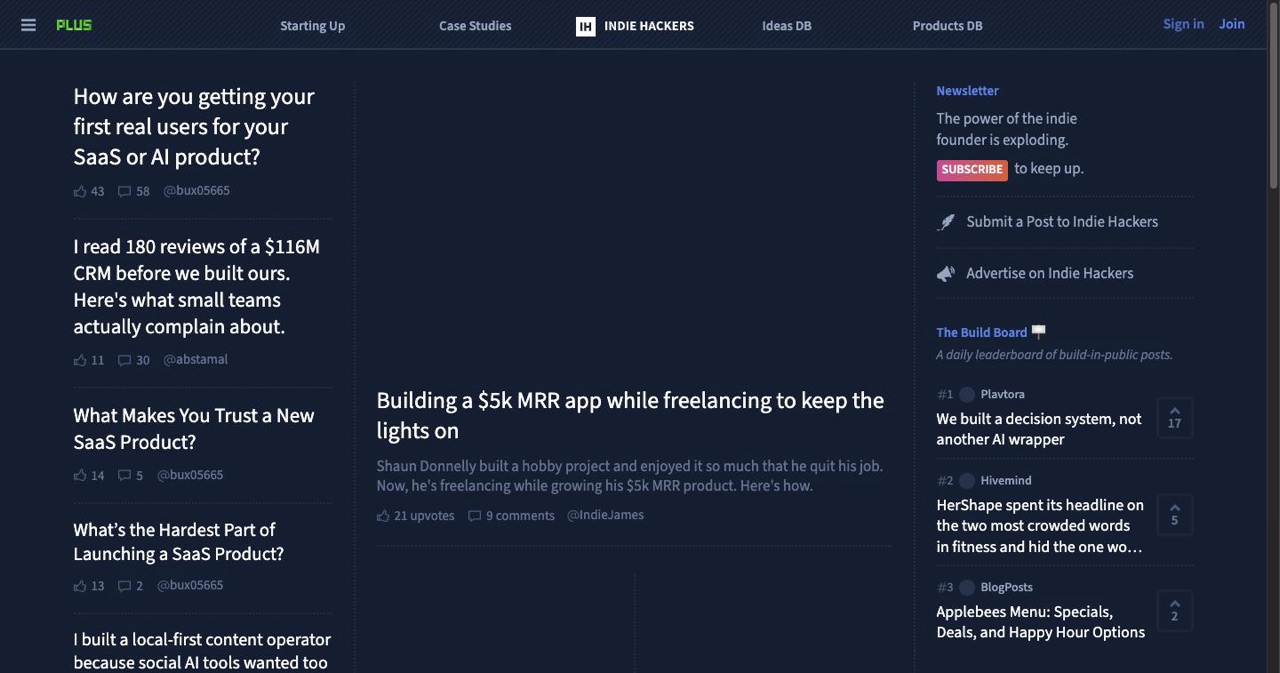
Indie Hackers: Perfect for B2B SaaS and developer tools. Post in the "Show IH" category, but spend a week before launch commenting on other people's projects. The community rewards active members.
BetaList, Launching Next, StartupBuffer: Submit to all of these. They're free, take five minutes each, and will get you indexed in Google faster while driving a trickle of interested users. For more on which directories actually move the needle, check out our guide on 5 high-DR directories for SaaS startups.
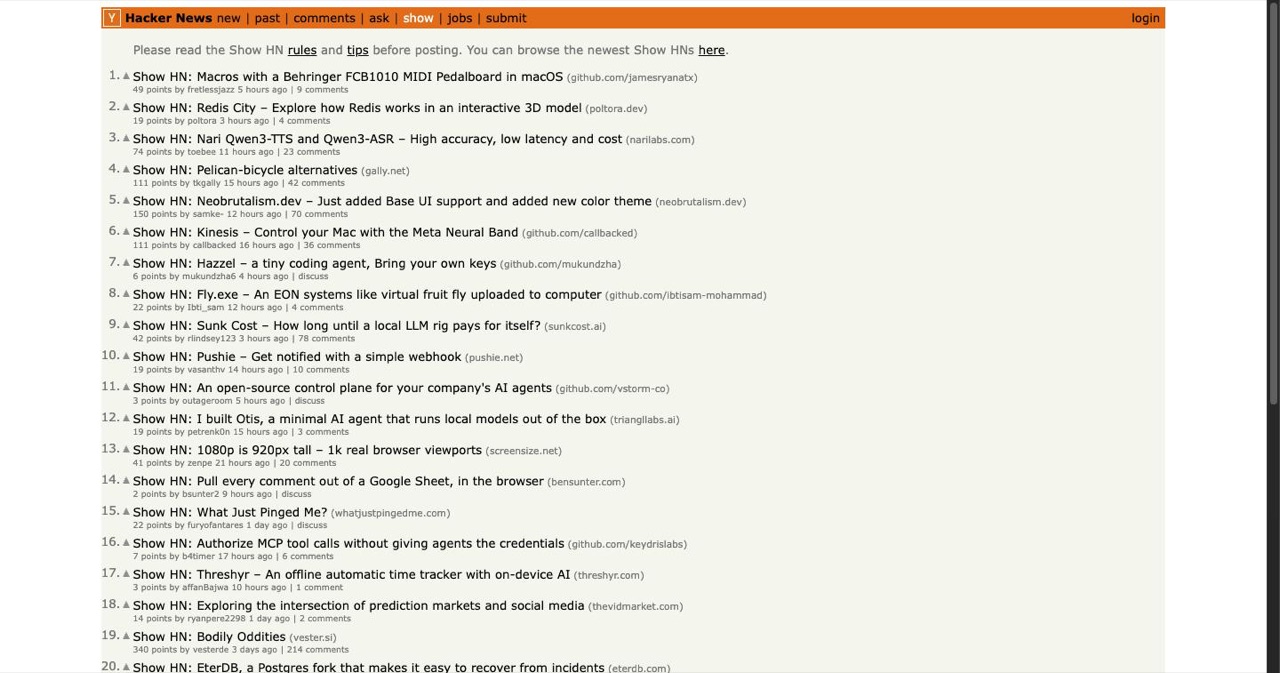
Hacker News: Higher barrier to entry, but if your product solves a technical problem, the community will engage. Don't just drop a link. Write a thoughtful "Show HN" post explaining what you built and why.
Our own directory, SaaSCity.io, gives your listing a permanent, indexable page, and a paid plan turns it into a building on an interactive city map. It's free to list, gives you an instant backlink for SEO, and puts you in front of founders and early adopters actively browsing the directory.
Make the Most of Launch Day
Don't just submit and disappear. Launches work when you actively participate.
Cross-promote everywhere: Twitter, LinkedIn, your newsletter, relevant Slack communities, Facebook groups. Tell people you're launching and ask for their support. Most people are happy to upvote if you just ask.
Respond to every comment within the first few hours. Someone asks a question? Answer it publicly. Someone suggests a feature? Thank them and tell them you'll consider it. This engagement signals to the platform's algorithm that your launch is worth promoting.
Track where your signups come from using UTM parameters. You'll quickly see which platforms actually drive users versus which are just vanity traffic. Understanding your domain rating and SEO positioning helps you prioritize where to invest your time.
Find Your People in Online Communities
Communities are where your early users already hang out. Go where they are.
Reddit: The Front Page of Your Target Market
Every niche has active subreddits. Find yours. Start with the obvious ones, r/SaaS, r/startups and r/Entrepreneur, then go deeper. Building a tool for real estate agents? Try r/realestate or r/RealEstateInvesting.
Here's the move: don't promote your product immediately. Spend a week commenting on other people's posts. Answer questions. Share insights. Become a recognized name in the community.
Then, when someone posts asking about the exact problem you solve, you can mention your tool naturally. Or post your own launch thread with a humble introduction. The community will be way more receptive if you've been helpful first.
One founder reported reaching out to 50,000+ people in Facebook groups, turning conversations into users through genuine interaction. The key word: genuine. This takes time, but it works.
Facebook Groups and Slack Communities
Join 10-15 groups where your target users actually participate. Skip networking groups. Look for industry-specific communities where people talk about their daily challenges.
Read the rules. Some groups ban promotion entirely. That's fine. You can still provide value by answering questions and building relationships. When someone asks for tool recommendations, that's your opening.
The snowball technique works here: get one happy user in the community, ask them to share their experience. Their testimonial carries way more weight than yours.
Twitter/X and LinkedIn: Build in Public
These platforms reward authenticity. Share your building journey. Post about features you're launching, problems you're solving, even failures you're experiencing.
Use hashtags like #buildinpublic, #SaaS, #indiehacker. Reply to 30-50 people in your niche daily. No promotional replies, just actual conversations about the problems they're facing.
One dev founder posted a transparent thread about their 10 failures building SaaS. It reached 250,000 views and resulted in 80 new sign-ups. Authenticity beats polish.
Post consistently. Not every day requires a masterpiece. Share a feature update. Ask a question about your users' workflows. Celebrate a small win. The algorithm rewards frequent posters, and people start recognizing your name. If you're looking for ideas on what to build, browse our list of 10 latest micro SaaS ideas for 2026.
Turn Early Users into Your Marketing Team
Your first 10-20 users are more valuable than you think. They can bring you the next 80.
Build a Simple Referral Program
Make it stupid easy for happy users to invite others. Give them a unique link they can share. Reward both sides: the referrer gets a free month, the new user gets 20% off, something like that.
Don't overthink this. You can set up a basic referral system with tools like ReferralCandy's free tier or even just a Google Form tracking who referred whom.
The best referral programs feel natural. If your product genuinely solves a painful problem, users will want to share it with colleagues who have the same issue. Your job is to make that sharing friction-free.
Collect and Display Social Proof Immediately
After every positive interaction, ask for a testimonial. Keep it low-pressure: "Mind if I share your feedback on our website?"
Use free tools like Senja or Testimonial.to to collect and display these on your site. Even 3-5 good testimonials dramatically increase conversion rates for new visitors.
Screenshots of happy user tweets, LinkedIn posts mentioning you, or Slack messages thanking you for solving their problem. These all count. Create a "Wall of Love" section on your site.
Provide Ridiculous Levels of Support
Your first 100 users should feel like VIPs. Offer to jump on calls with them. Personally onboard them. Fix bugs they report within hours, not days.
This doesn't scale, and that's exactly the point. You're not trying to scale yet. You're trying to create believers who will tell everyone they know about you.
One founder built a product and started documenting the journey on LinkedIn under "Building in Public." On launch day alone, they received 600+ signups directly from that single channel.
Track What Actually Matters
Analytics paralysis kills early-stage startups. You need three metrics:
Weekly active users: How many people are actually using your product regularly? This is your North Star. If this number isn't growing, nothing else matters.
Activation rate: What percentage of signups complete your core action? For a project management tool, maybe it's creating their first project. For an analytics dashboard, it's connecting their data source. If this number is low, your onboarding is broken.
Retention: Are users coming back? Check 7-day and 30-day retention. If people try your product once and never return, you don't have a growth problem. You have a product problem.
Use the free tiers of Mixpanel or Google Analytics to track these. Don't build custom analytics dashboards. Don't track 47 different metrics. Just watch these three numbers.
Listen to What Users Actually Do
Feedback is gold, but usage data is better. What features do people actually use? Where do they get stuck? How long before they invite a teammate?
Set up user interviews. Talk to 5-10 users a week. Ask them to walk you through their workflow. Watch them use your product (via screen share). You'll spot UX issues you'd never catch on your own.
When someone churns, find out why. Skip the automated survey and actually call them. Most won't answer, but the ones who do will tell you exactly what's wrong with your product.
What Not to Do (Expensive Mistakes to Avoid)
Don't run paid ads yet. With no proven conversion funnel and limited budget, you'll burn money fast. Customer acquisition costs have jumped 10x since 2020, so focus on organic channels first. When you're ready for paid, our SaaS marketing playbook covers how to do it right.
Don't build features nobody asked for. Every hour you spend coding is an hour you're not spending talking to users. Build the minimum that solves the core problem, then iterate based on actual feedback.
Don't obsess over your brand before you have traction. Your early users don't care if your logo is perfect or your brand colors match. They care if you solve their problem. Design can wait.
Don't try to serve everyone. The temptation to add features for adjacent markets is strong. Resist it. Nail your core use case for your specific audience first.
Don't scale tactics that don't work. If cold outreach isn't converting after 200 emails, sending 2,000 more won't help. Try a different approach.
The 30-Day Sprint to 100 Users
Here's a realistic timeline:
Week 1: Define your ICP, interview 10-15 potential users, reach out to your network. Goal: 10 users.
Week 2: Launch on Product Hunt, Indie Hackers, and directory sites. Join 10 relevant communities and start participating. Goal: 30 users total.
Week 3: Cold outreach sprint. Send 50+ personalized messages daily. Post daily on Twitter/LinkedIn sharing your journey. Goal: 60 users total.
Week 4: Double down on what's working, cut what's not. Enable referrals for existing users. Conduct feedback sessions. Goal: 100 users total.
This isn't magic. It's volume and persistence. Most founders quit around user 30-40 because the initial momentum fades. Push through. The compound effect of all these activities kicks in around user 50.
What Happens After 100
You've validated that people want what you built. Now you can think about scale.
Some channels that work at 100+ users:
Content marketing (SEO takes 3-6 months to pay off, start now) Partnerships with complementary tools Community building (Discord, Slack groups, or your own forum) Affiliate programs Strategic hires (your first sales or marketing person)
But none of that matters if you don't have 100 users who genuinely love your product. That's your only job right now. For the full roadmap on scaling beyond this milestone, check out our comprehensive guide to launching a SaaS in 2026.
The Real Secret Nobody Wants to Hear
Getting your first 100 users isn't about clever growth hacks or viral loops. It's about doing unscalable things that most founders find beneath them.
It's messaging 1,000 strangers and getting rejected 970 times. It's spending three hours helping one user set up your tool. It's posting in communities where people don't know you and mostly ignore you.
The founders who get to 100 are the ones who keep showing up when it's uncomfortable. Who keep reaching out when they get ghosted. Who keep shipping features when nobody seems to care.
You already built something. That's the hard part. Now comes the grinding part: finding the people who need it, one conversation at a time.
Your first 100 users are out there. They're probably complaining about the exact problem you solve right now on Reddit or in some Slack channel. Go find them.
Start with one platform today. Send ten messages. Join three communities. Launch on Product Hunt next Tuesday.
The count starts at zero. Every day you wait is another day at zero.
FAQ
How long does it realistically take to get 100 users?
For most bootstrapped SaaS products, 1-3 months of focused effort. If you're working on it part-time, expect 3-6 months. The timeline depends more on how much time you dedicate to outreach than anything else.
Should I charge money from day one?
Depends on your product. If you're B2B SaaS solving a clear business problem, yes, charge from the start. Paying customers give better feedback and validate real demand. If you're consumer-focused or building a two-sided marketplace, you might need free users to create network effects first. Our guide on choosing the best payment processor can help you set up billing.
What if my product needs network effects to be valuable?
Focus on a niche where you can achieve density quickly. Slack didn't try to replace email company-wide. They started with small teams. Find your beachhead where 10-20 users in the same context can get value, then expand.
Can I automate any of this?
Some parts, yes. You can use tools to find prospects, schedule social posts, and manage outreach. But the actual conversations need to be personal. AI can help draft messages, but can't replace genuine human connection at this stage. If you're exploring AI-assisted workflows, see how to set up a free AI agent to handle some of the repetitive work.
What's the single most important thing to focus on?
Talking to users. Everything else is noise. If you're not having conversations with potential users every single day, you're moving too slow.
Is 100 users enough to raise money?
Maybe. If those 100 users show strong engagement, retention, and are paying, you can tell a compelling story. But most investors want to see traction beyond 100. They're looking for the beginnings of repeatable, scalable growth.
What if I get to 100 users but they're not engaged?
You have a product problem, not a growth problem. Stop acquiring new users and figure out why people aren't sticking around. Interview churned users, watch people use your product, identify the friction points. Fix retention before you scale.
Want more tactical guides on building and growing your SaaS? Check out resources on Indie Hackers, follow #buildinpublic on Twitter, and connect with other founders doing the same grind. You're not alone in this.
Get your SaaS in front of founders
List your product on the SaaSCity live city map - a permanent listing, real discovery, and a backlink from a high-DR directory. Free to start; upgrade for a dofollow link and a building on the map.