Launch & Growth
Programmatic SEO for AI SaaS: How to Rank 500+ Pages in 2026 (Step-by-Step + Code)
Learn how to build a programmatic SEO engine for your AI SaaS in 2026. Includes code snippets, benchmarks, and a step-by-step guide to ranking 500+ pages.

Contents (16)
- Key Takeaways
- What Programmatic SEO Actually Means in 2026
- Why 2026 Is Different: The AI Search Shift
- Step 1: Mine Keywords That Actually Convert
- Step 2: AI-Powered Keyword Clustering
- Step 3: Design Templates That Scale
- Step 4: Generate Content That Doesn't Suck
- Step 5: Optimize for AI Search (AEO)
- Step 6: Deploy Without Breaking Everything
- Step 7: Monitor What Actually Matters
- The Tools You Actually Need
- Real Examples: What Actually Works
- Common Mistakes (And How to Avoid Them)
- Your 30-Day Roadmap
- The Bottom Line
- Read Next
Quick answer: Programmatic SEO for an AI SaaS means building one page template, wiring it to a database, and generating hundreds of pages that each answer a specific query: integration pages, use case pages, comparison pages and template pages. Zapier runs 50,000+ such pages for 16 million monthly visitors across 1.3 million keywords, and 67% of its organic traffic comes from them. 60% of attempts fail within 18 months, almost always on thin content and missing quality controls.
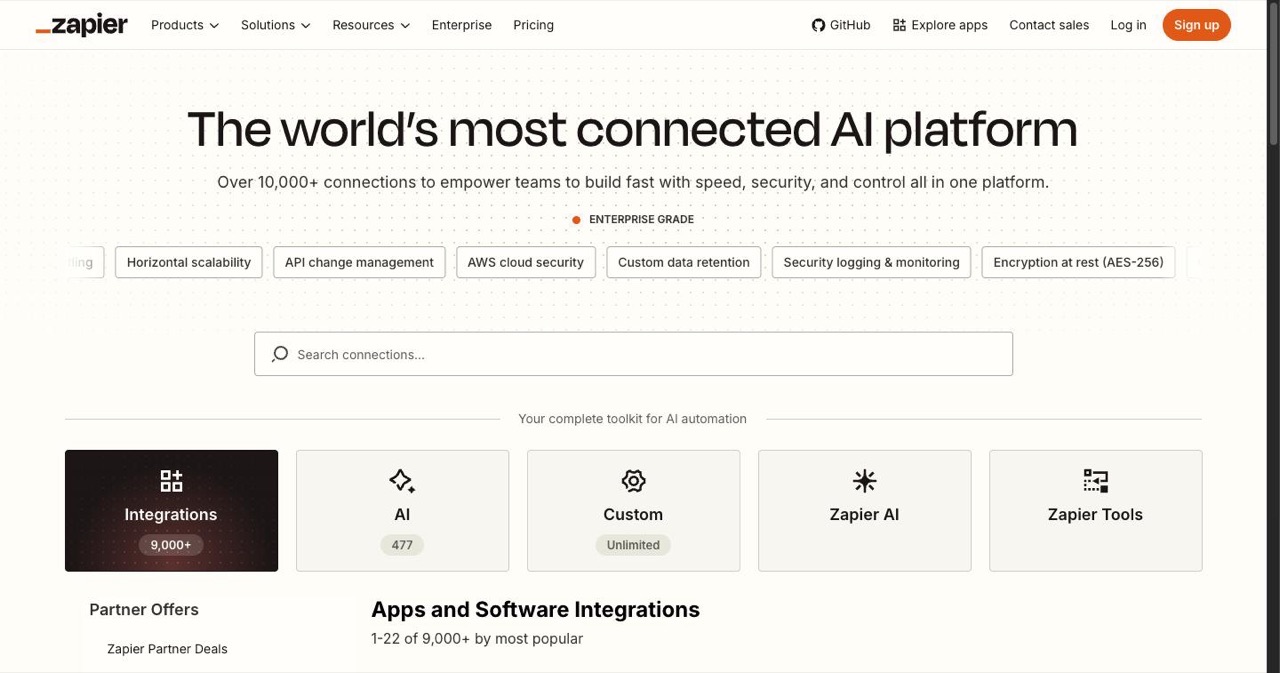
Zapier pulls 16 million visitors monthly. Not from a massive content team—from 50,000+ automated pages that rank for 1.3 million keywords.
That's programmatic SEO. And in 2026, it's the secret weapon AI SaaS founders use to dominate search while competitors burn cash on manual content.
Here's what nobody tells you: 60% of programmatic SEO attempts fail. Not because the strategy is flawed, but because founders treat it like keyword stuffing at scale. The winners? They build systems that actually solve problems. LLM traffic is predicted to overtake traditional Google search by the end of 2027, and AI-sourced traffic converts at 4.4x the rate of traditional organic search.
This guide shows you how to do it right. You'll get deployable code, real 2026 benchmarks, and a framework that scales from 100 to 10,000 pages without Google penalties.
Key Takeaways
- One template, many queries: integration, use case, comparison and template pages are the four families that cover most AI SaaS demand.
- The arithmetic is the point: 5,000 pages at 200 monthly visits each equals 1 million visits a month.
- Zapier is the benchmark: 50,000+ pages, 1.3 million keywords, 16M+ monthly visitors, and 67% of organic traffic from programmatic pages.
- Failure rate is high: 60% of programmatic implementations fail within 18 months without quality controls.
- AI search changed the target: 52% of Google AI Overview sources rank in the top 10 but not always at number one, and pages need to work as citation-ready units.
- AI traffic is worth more: AI-sourced traffic converts at 4.4x traditional organic, with LLM traffic predicted to overtake Google search by the end of 2027.
- The stack is cheap: $50 to $200 a month covers a viable setup, and $500 a month can manage 5,000+ pages against $3,000+ for a dev team.
What Programmatic SEO Actually Means in 2026
Think of it this way: you build one really good template, connect it to a database, and suddenly you have 500 pages—each uniquely targeting a specific search query.
Instead of manually writing every page, you create a template and populate it dynamically with data. For AI SaaS, this typically means:
- Integration pages: "Connect [Your Tool] with [Other App]"
- Use case pages: "AI agent for [industry/role]"
- Comparison pages: "[Your Product] vs [Competitor]"
- Template pages: "Free [template type] for [use case]"
The math is simple but powerful. If you create 5,000 programmatic pages and each receives just 200 monthly visits, you're generating 1 million visits per month.
2026 Benchmarks: What AI SaaS Companies Are Actually Achieving
Let me show you real numbers from companies doing this right:
| Company Type | Pages Created | Monthly Traffic | Traffic Source |
|---|---|---|---|
| Automation Tools (Zapier) | 50,000+ | 16M+ visitors | Integration pages |
| Design SaaS (Canva) | 30,000+ | 5.8M sessions | Template pages |
| SaaSCity & Directories | 500-2,000 | +300% growth | Directory & Launch pages |
Zapier ranks for 1.3M keywords and gets 16M+ monthly visitors—mostly through programmatic SEO, not manual content creation.
But here's the uncomfortable truth: 60% of programmatic implementations fail within 18 months without proper quality controls.
The difference between success and failure? Understanding that programmatic SEO isn't about scale—it's about solving specific problems at scale.
Why 2026 Is Different: The AI Search Shift
Google doesn't work like it did two years ago. 52% of Google AI Overview sources rank in the top 10 organic results, but they aren't always #1.
Search engines now prioritize:
- Entity relationships over keyword matching
- Topical authority across your entire site
- Citation-ready content for AI systems
AI systems don't rank pages, they cite sources. Your programmatic pages need to be structured as "citation-ready units" that LLMs can easily extract and reference.
This changes everything. Your pages need to satisfy both traditional Google crawlers AND AI systems like ChatGPT, Perplexity, and Claude.
Step 1: Mine Keywords That Actually Convert
Most founders start programmatic SEO by exporting 10,000 keywords from Ahrefs. That's the fastest way to build 10,000 pages nobody reads.
Start with search intent instead.
The Framework
Your keywords need three qualities:
- Specific problem: "How to automate Slack notifications from Airtable"
- Commercial intent: Words like "integration," "tool," "template," "free"
- Reasonable volume: 50-500 searches/month (the sweet spot)
Here's how to find them:
import pandas as pd
from anthropic import Anthropic

# Export keywords from Ahrefs
df = pd.read_csv('ahrefs_export.csv')

# Filter for programmatic patterns
patterns = ['integration', 'template', 'tool', 'vs', 'alternative']
df_filtered = df[df['keyword'].str.contains('|'.join(patterns))]

# Keep only keywords with volume between 50-500
df_final = df_filtered[(df_filtered['volume'] >= 50) & (df_filtered['volume'] <= 500)]

# Remove broad terms
exclude = ['best', 'top', 'review']
df_final = df_final[~df_final['keyword'].str.contains('|'.join(exclude))]

df_final.to_csv('programmatic_keywords.csv', index=False)
Why these filters? Long-tail traffic compounds—individual pages may get less traffic, but the aggregate impact is transformational.
The best programmatic keywords are specific enough that someone searching them has a clear problem you can solve. "Best project management software" is too broad. "Asana Slack integration" is perfect.
Step 2: AI-Powered Keyword Clustering
Here's where AI changes the game. Instead of targeting keywords individually, you group them by semantic meaning.
Modern AI-driven search models like Google's AI Overviews and Perplexity don't just look for matches; they look for structured expertise.
Why Clustering Matters
Let's say you have these keywords:
- "Connect Notion to Slack"
- "Notion Slack integration"
- "Send Notion updates to Slack"
- "Automate Notion to Slack"
These all target the same search intent. Creating separate pages for each would cannibalize your rankings. One comprehensive page serves them all.
The Clustering Code
from sentence_transformers import SentenceTransformer
from sklearn.cluster import KMeans
import numpy as np

# Load keyword list
keywords = df_final['keyword'].tolist()

# Generate embeddings (semantic representations)
model = SentenceTransformer('all-MiniLM-L6-v2')
embeddings = model.encode(keywords)

# Cluster into groups (adjust n_clusters based on your keyword count)
n_clusters = min(50, len(keywords) // 10)
kmeans = KMeans(n_clusters=n_clusters, random_state=42)
clusters = kmeans.fit_predict(embeddings)

# Add cluster IDs to dataframe
df_final['cluster'] = clusters

# Save clustered keywords
df_final.to_csv('clustered_keywords.csv', index=False)

# Print cluster examples
for i in range(5):
    cluster_keywords = df_final[df_final['cluster'] == i]['keyword'].tolist()
    print(f"Cluster {i}: {cluster_keywords[:3]}")
This groups keywords by meaning, not just word similarity. AI tools now analyze entire SERPs to group hundreds of related keywords under a single, overarching topic cluster based on genuine user intent.
The result? You know exactly which keywords should target the same page versus needing separate pages.
Step 3: Design Templates That Scale
Here's the truth about programmatic SEO: your template quality matters 100x more than your page count.
Every programmatic page must clear the question: If someone searches for this specific query, would they get a meaningfully different answer from this page vs. my other pages?
The Template Structure
Every high-converting programmatic page needs:
- Hero section: Clear H1 with the exact keyword
- Value proposition: Why this integration/feature/template matters
- How it works: 3-5 specific steps
- Use cases: 2-3 real-world examples
- FAQ section: Questions people actually ask
- CTA: Clear next action (sign up, try template, book demo)
Next.js Implementation
// app/integrations/[app1]/[app2]/page.tsx
interface IntegrationPageProps {
  params: {
    app1: string;
    app2: string;
  };
}

export async function generateStaticParams() {
  const integrations = await fetchIntegrationsFromDB();

  return integrations.map((integration) => ({
    app1: integration.app1_slug,
    app2: integration.app2_slug,
  }));
}

export default async function IntegrationPage({ params }: IntegrationPageProps) {
  const { app1, app2 } = params;
  const data = await fetchIntegrationData(app1, app2);

  return (
    <div className="max-w-4xl mx-auto px-4 py-12">
      <h1 className="text-4xl font-bold mb-6">
        Connect {data.app1_name} to {data.app2_name}
      </h1>

      <p className="text-xl text-gray-600 mb-8">
        Automate your workflow by connecting {data.app1_name} with {data.app2_name}.
        {data.description}
      </p>

      <section className="mb-12">
        <h2 className="text-2xl font-semibold mb-4">How It Works</h2>
        <ol className="space-y-4">
          {data.steps.map((step, idx) => (
            <li key={idx} className="flex gap-4">
              <span className="font-bold text-blue-600">{idx + 1}.</span>
              <span>{step}</span>
            </li>
          ))}
        </ol>
      </section>

      <section className="mb-12">
        <h2 className="text-2xl font-semibold mb-4">Popular Use Cases</h2>
        <div className="grid md:grid-cols-2 gap-6">
          {data.use_cases.map((useCase, idx) => (
            <div key={idx} className="border rounded-lg p-6">
              <h3 className="font-semibold mb-2">{useCase.title}</h3>
              <p className="text-gray-600">{useCase.description}</p>
            </div>
          ))}
        </div>
      </section>

      <section className="mb-12">
        <h2 className="text-2xl font-semibold mb-4">Frequently Asked Questions</h2>
        {data.faqs.map((faq, idx) => (
          <div key={idx} className="mb-6">
            <h3 className="font-semibold mb-2">{faq.question}</h3>
            <p className="text-gray-600">{faq.answer}</p>
          </div>
        ))}
      </section>

      <div className="bg-blue-50 rounded-lg p-8 text-center">
        <h2 className="text-2xl font-bold mb-4">
          Start Connecting {data.app1_name} and {data.app2_name}
        </h2>
        <button className="bg-blue-600 text-white px-8 py-3 rounded-lg font-semibold hover:bg-blue-700">
          Try Free
        </button>
      </div>
    </div>
  );
}
The key is making each page feel unique even though they follow the same structure. Using AI to generate variations rather than simply swapping keywords ensures each page has unique elements.
Step 4: Generate Content That Doesn't Suck
This is where most programmatic SEO dies. Founders use GPT-3.5 to generate 5,000 nearly-identical pages and wonder why Google ignores them all.
93% of penalized sites lacked differentiation.
The Content Generation System
You need three layers of uniqueness:
Layer 1: Data-driven differentiation Pull real data for each page:
- Integration capabilities from your API
- User reviews/testimonials specific to that combination
- Pricing information
- Setup complexity/time estimates
Layer 2: AI-generated variations Use Claude or GPT-4 to generate:
- Unique descriptions (not just keyword swaps)
- Custom use case examples
- FAQ answers based on actual search data
Layer 3: Human validation Sample 5-10% of pages and verify:
- Accuracy of information
- Readability and flow
- Value to the reader
- No duplicate content patterns
The Generation Prompt
from anthropic import Anthropic

client = Anthropic()

def generate_integration_content(app1, app2, data):
    prompt = f"""Generate unique content for an integration page.

App 1: {app1}
App 2: {app2}
Integration capabilities: {data['capabilities']}
Common use cases: {data['use_cases']}

Create:
1. A 2-sentence value proposition explaining why someone would want this integration
2. 3 specific use cases with concrete examples (not generic)
3. 5 FAQ questions and answers that address real concerns

Make each piece specific to these two apps. Avoid generic phrases like "streamline your workflow" or "boost productivity."
"""

    response = client.messages.create(
        model="claude-sonnet-4-20250514",
        max_tokens=1500,
        messages=[{"role": "user", "content": prompt}]
    )

    return response.content[0].text
In 2026, with AI tools democratizing page generation, the barrier to entry has never been lower for resource-constrained startups. But that also means quality is your only moat.
Step 5: Optimize for AI Search (AEO)
Traditional SEO optimizes for Google's crawler. In 2026, you need to optimize for AI systems that will cite your content.
GEO-optimized programmatic templates should include summary-first structure with concise, quotable answers (40-60 words), clear entity definitions, FAQ sections in question-answer format, and statistics with sources.
The AEO Checklist
Summary-first structure Put your answer in the first 60 words:
## Connect Notion to Slack

Connecting Notion to Slack automatically sends database updates, new page notifications, and task reminders directly to your Slack channels. This integration eliminates manual status updates and keeps your team synchronized without switching between apps.
Entity definitions Define key terms explicitly:
Notion is a workspace tool for notes and databases. Slack is a team messaging platform. This integration links the two so changes in Notion trigger notifications in Slack.
Structured FAQs Use clear question-answer format:
### Does this integration work in real-time?
Yes. Changes in Notion appear in Slack within 1-2 minutes.

### Do I need a paid plan?
No. This integration works with free Notion and Slack accounts.
These elements make your content easy for AI systems to extract and cite with confidence.
Step 6: Deploy Without Breaking Everything
No-code tools like Webflow, Airtable, and sync tools like Whalesync now allow anyone to build programmatic SEO systems for under $100/month.
Deployment Options
Option 1: Next.js + Database (Best for developers)
- Build: Next.js with App Router
- Database: PostgreSQL or Airtable
- Host: Vercel (handles automatic scaling)
- Cost: $0-20/month for 500 pages
Option 2: Webflow + Airtable (Best for non-developers)
- Build: Webflow CMS
- Database: Airtable
- Sync: Whalesync (connects Airtable to Webflow)
- Cost: $50-100/month
Option 3: WordPress + Custom Post Types
- Build: WordPress with custom templates
- Database: MySQL or external API
- Host: Any WordPress hosting
- Cost: $10-50/month
The Gradual Rollout Strategy
Don't publish 500 pages on day one. Progressive rollout prevents traffic cliffs that affect 1 in 3 programmatic implementations.
Week 1: 50 pages
- Publish your highest-priority keywords
- Monitor indexing in Google Search Console
- Check for any technical issues
Week 2: 100 more pages
- Verify first batch is indexing properly
- Check for any duplicate content warnings
- Monitor initial traffic patterns
Week 3-4: Remaining pages
- Scale to your target number
- Set up automated monitoring
- Start tracking rankings
This staged approach lets you catch problems before they scale.
Growth Tip: While you roll out your pages, build domain authority by listing on high-quality directories. Our directory submission service can do the submissions for you.
Step 7: Monitor What Actually Matters
Most founders obsess over rankings. Smart founders track the metrics that predict revenue.
The Metrics Dashboard
Traffic metrics:
- Organic sessions per page type
- Average time on page (should be 1-3 minutes)
- Bounce rate (target below 60%)
Engagement metrics:
- CTA click-through rate
- Pages per session
- Internal link clicks
Business metrics:
- Trial signups from programmatic pages
- Demo requests
- Free tool downloads
The Monitoring Setup
# Simple monitoring script
import requests
from datetime import datetime

def check_page_health(pages_to_monitor):
    results = []

    for page in pages_to_monitor:
        try:
            response = requests.get(page['url'], timeout=10)

            results.append({
                'url': page['url'],
                'status': response.status_code,
                'load_time': response.elapsed.total_seconds(),
                'timestamp': datetime.now()
            })
        except Exception as e:
            results.append({
                'url': page['url'],
                'status': 'ERROR',
                'error': str(e),
                'timestamp': datetime.now()
            })

    return results

# Run daily
pages = [
    {'url': 'https://yoursite.com/integrations/slack/notion'},
    {'url': 'https://yoursite.com/integrations/airtable/zapier'},
    # Add your high-priority pages
]

health_check = check_page_health(pages)
ROI timeline: 3–6 months for positive returns when executed correctly. Don't expect instant results, but don't wait years either.
The Tools You Actually Need
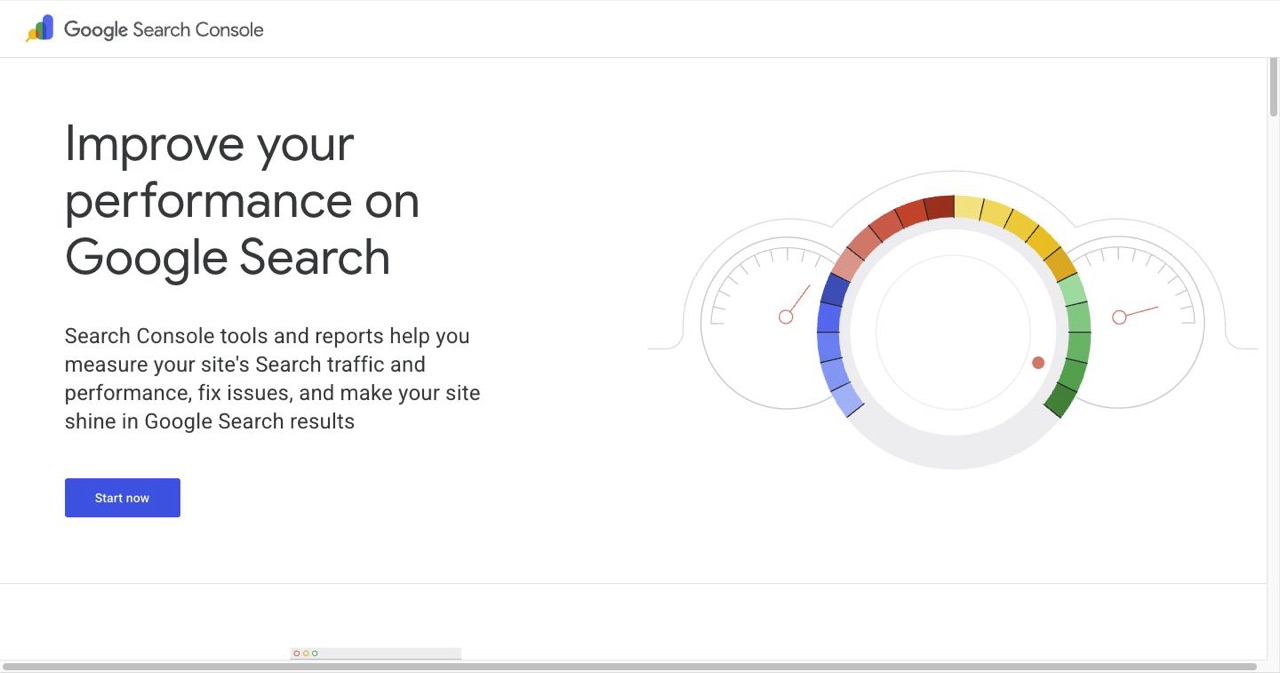
The best automated pSEO tools for SaaS include AirOps for programmatic SEO at scale, Surfer SEO for optimizing page templates, Zapier for syncing content updates, Ahrefs for keyword discovery, and GA4 & GSC for monitoring.
Minimum Viable Stack ($50-200/month)
Research:
- Ahrefs Lite ($129/month) or Ubersuggest ($29/month)
- Keyword Insights for clustering ($49/month or free alternatives)
Building:
- Webflow + Airtable ($40/month) or
- Next.js + Vercel (free-$20/month)
Content:
- Claude/GPT-4 API ($10-50/month based on usage)
- Manual validation (your time)
Monitoring:
- Google Search Console (free)
- Google Analytics 4 (free)
Scale Stack ($200-500/month)
Add:
- Surfer SEO for content optimization ($59/month)
- Screaming Frog for technical audits (free-$259/year)
- Clearscope for content scoring ($170/month)
The $500/month stack can manage 5,000+ pages. Platforms like Webflow, Airtable, and sync tools now allow anyone to build programmatic SEO systems for under $100/month—compared to the $3,000+ monthly cost of a dev team.
Real Examples: What Actually Works
Let me show you companies doing this right in 2026.
Zapier: The Gold Standard
Zapier automatically creates 3 tiers of integrations every time a new app joins their platform: app landing pages, app-to-app integration pages, and workflow-specific pages.
Their formula:
- 50,000+ pages targeting integration keywords
- Each page solves a specific automation problem
- Internal linking connects related integrations
- User-generated content (reviews, templates) adds uniqueness
Result: 67% of their organic traffic comes from these programmatic pages.
Canva: Template Pages at Scale
Canva built 30,000+ template pages, each targeting searches like "Instagram story template" or "resume template for teachers."
Their approach:
- Every template gets a unique landing page
- Pages include preview images, customization options, and related templates
- Localized versions in 100+ languages
When done right, programmatic SEO can deliver scalable, intent-matching traffic with high conversion potential.
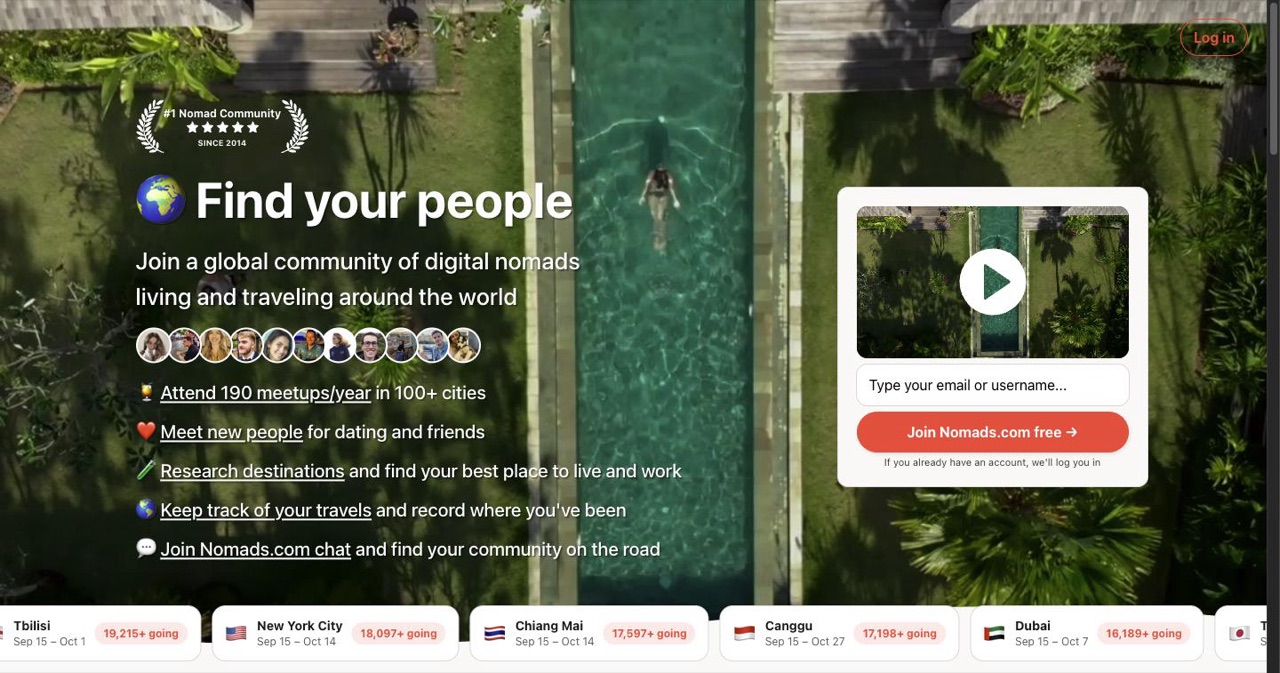
Nomad List: Data-Driven Pages
Nomad List created pages for thousands of cities, each with:
- Real-time internet speeds
- Current weather and air quality
- Cost of living data
- Visa requirements
- Coworking space listings
Nomad List's page for "Chiang Mai for digital nomads" includes real-time internet speeds, current temperature, air quality index, cost of living data, visa requirements, coworking spaces with ratings, neighborhood safety scores, expat community size, and weather forecasts.
The pattern? They all provide genuinely unique value on each page. The template scales, but the data is specific.
Common Mistakes (And How to Avoid Them)
Mistake 1: Thin Content
Publishing pages with 200 words of keyword-swapped content is a fast track to deindexing.
Fix: Aim for quality thresholds of at least 500 words of unique content per page.
Mistake 2: No Unique Value
If your page could apply to any product in your category, it's not specific enough.
Fix: Include data, examples, or insights that only you can provide. Your integration capabilities, your customer use cases, your specific pricing.
Mistake 3: Ignoring Technical SEO
Page speed, mobile optimization, and proper schema matter even more at scale.
Fix: Test a sample of pages with Lighthouse. If they don't score 90+ on performance, fix the template before scaling.
Mistake 4: Publishing All at Once
Google gets suspicious when you suddenly publish 5,000 new pages.
Fix: Use progressive rollout and weekly signal monitoring. Gradual is safer.
Your 30-Day Roadmap
Here's the realistic timeline for launching programmatic SEO:
Week 1: Research
- Day 1-2: Export and filter keywords from Ahrefs
- Day 3-4: Run clustering analysis
- Day 5-7: Validate search intent for top clusters
Week 2: Build
- Day 8-10: Design your page template
- Day 11-12: Set up your database or CMS
- Day 13-14: Build the first 10 pages manually to test
Week 3: Scale
- Day 15-17: Implement content generation system
- Day 18-19: Generate content for 50 pages
- Day 20-21: Deploy first batch and monitor
Week 4: Optimize
- Day 22-24: Check indexing and fix any issues
- Day 25-27: Generate and deploy remaining pages
- Day 28-30: Set up monitoring and reporting
Indexing happens in 2–4 weeks; traffic in 4–8 weeks; meaningful organic growth in 3–6 months.
The Bottom Line
Programmatic SEO isn't a hack. It's a system for solving specific problems at scale.
The companies winning with it in 2026 aren't the ones with the most pages. They're the ones where each page genuinely helps someone solve a problem.
Start with 50 pages that truly matter. Make them good enough that you'd manually write them if you had time. Then scale.
The code is simple. The strategy is clear. The only question is whether you'll build something people actually want to read.
Ready to start? Pick your first keyword cluster and build one template that solves a real problem. Everything else is just repetition.
Read Next
Get your SaaS in front of founders
List your product on the SaaSCity live city map - a permanent listing, real discovery, and a backlink from a high-DR directory. Free to start; upgrade for a dofollow link and a building on the map.