SaaS Business
10 Micro SaaS Ideas for Designers in 2026 (That Can Actually Hit $10K–$50K MRR)
Discover 10 highly profitable micro SaaS ideas tailored for designers in 2026. Stop building generic tools and start solving real designer pain points with these AI-driven product opportunities.

Contents (7)
Quick answer: The ten micro SaaS ideas for designers in 2026 fall into generative tools and smart asset libraries: an AI Brand Kit Generator, a Generative UI Canvas, a Screenshot-to-Code Converter, an AI Color Palette and Mood Generator, a Natural Language to CAD Blueprint Generator, a niche asset generator for stickers and branded QR codes, an all-in-one designer asset hub, a pattern and texture generator, a 3D icon library, and a visual content API for agencies. Pricing runs $19 to $399 per month against a design AI market heading from $1.3 billion to $17 billion by 2035.
Key Takeaways
- Market trajectory: Generative AI in design grows from roughly $1.3 billion in 2026 to nearly $17 billion by 2035, compounding over 32% a year.
- Margins are the draw: Micro SaaS companies report 70 to 80% profit margins, and 41% of recent SaaS startups targeted highly specific markets.
- The filter: A good idea solves one recurring pain, gets paid for personally rather than through procurement, and is narrow enough to beat a Canva add-on.
- Start here: The AI Brand Kit Generator and Screenshot-to-Code Converter have the clearest validated demand.
- Highest ceiling, hardest build: The Natural Language to CAD Blueprint Generator prices at $99 to $399 per month and needs serious AI engineering.
- No-code path exists: Lovable, v0, OpenAI and Anthropic APIs, Supabase, Clerk, Stripe and Vercel cover the full stack.
- The real bar: Output quality. Tools whose results need heavy manual cleanup lose to ones that understand designer context.
Most designers are drowning in tabs. Figma open. Coolors open. Some random icon site. A stock photo library. Three different AI tools they're "trying out." And yet, somehow, there's still no single tool that just works the way they need it to.
That's your opportunity.
Micro SaaS, meaning small, focused software products usually built by one or two people, is having a moment in the design space. And 2026 is shaping up to be the clearest entry point yet. The global generative AI in design market is projected to grow from around $1.3 billion in 2026 to nearly $17 billion by 2035, compounding at over 32% annually. Meanwhile, micro SaaS companies are reporting profit margins of 70–80%, and 41% of SaaS startups in recent years have built products for highly specific markets.
This isn't a trend piece about AI changing everything. It's a practical breakdown of ten ideas, grounded in real designer pain points, that you could validate, build, and launch as a bootstrapped product this year.
What Actually Makes a Good Micro SaaS for Designers
Before the list: a quick filter.
The best micro SaaS ideas for designers share three traits. They solve one specific, recurring pain (not a vague workflow problem). They're things designers would pay for personally, not just request from a company budget. And they're narrow enough that a small team can build something genuinely better than a Canva add-on.
Generic AI wrappers don't make this cut. Tools that understand designer context do: brand consistency, file formats, accessibility standards, design system logic.
Part 1: Generative Design Tools
These are AI-powered tools that create, remix, or iterate design outputs from user inputs. Think of them as creative co-pilots for specific use cases.
1. AI Brand Kit Generator
A founder starts a SaaS. They need a logo, color palette, typography, and icon set. Hiring a designer costs $2,000+. DIYing in Canva takes three hours and looks like it.
An AI brand kit generator solves this cleanly. Users input their product name, industry, and vibe. The tool generates a full exportable brand package (logo variations, palette with hex codes, font pairings, favicon), ready for Figma or direct download.
Monetization is simple: freemium with a $59 one-time export fee, or a $19/month subscription for unlimited generations. Target audience: indie hackers, SaaS founders, freelancers who need something professional without a $5K agency retainer.
This one is already validated. The demand exists. The gap is in quality and brand-specific customization. Most existing tools still feel generic.
2. Generative UI Canvas
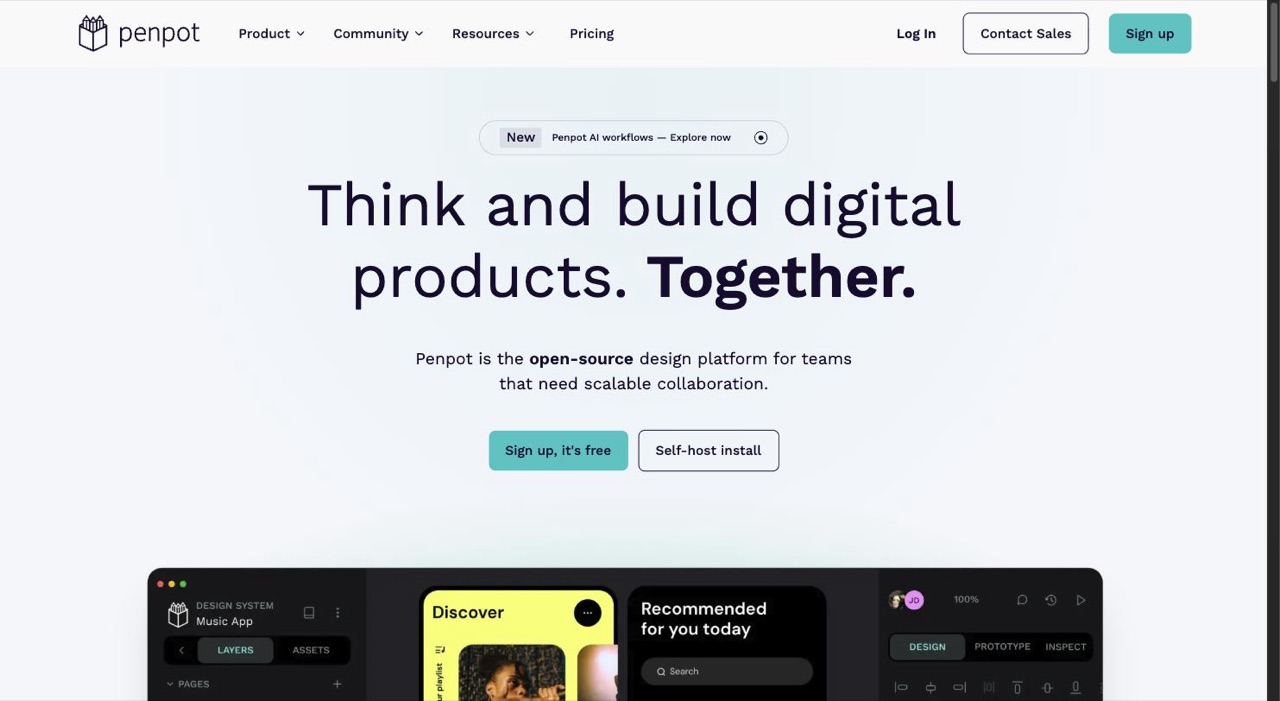
UI/UX designers spend enormous time on early-stage wireframing. What if you could prompt your way to a full UI screen that actually references real design patterns?
A prompt-based UI generation tool with references pulled from curated design libraries (not just random internet screenshots) gives designers a faster starting point for prototyping. The key differentiator: it should understand component logic, not just generate pretty mockups that fall apart in practice.
Revenue model: $49/month. Integration with Figma or Penpot as a plugin adds distribution. The audience is mid-level UI designers who want to skip the blank canvas phase.
3. Screenshot-to-Code Converter
Upload a UI screenshot, get clean HTML/CSS out.
This one bridges the designer-developer handoff gap, which is one of the most reliably painful parts of any product workflow. Tools that convert design screenshots into clean, production-ready code address a growing demand as AI capabilities improve.
At $10–$15/month, this is almost an impulse buy for front-end developers who work with designers daily. The opportunity is in the output quality. Most current tools produce code that needs heavy cleanup. The tool that produces genuinely usable code wins.
4. AI Color Palette and Mood Generator
This sounds simple, and it partially is, which is why it works as a Micro SaaS.
A tool that takes a photo, brand description, or even an emotional prompt ("calm, professional, Scandinavian") and generates a full palette with accessibility ratings (WCAG contrast scores built in) is immediately useful. Extend it to interior designers or marketers previewing color schemes on room photos, and you've added a second audience.
Revenue: $29 per palette set, or $19/month for unlimited. Low build complexity, high perceived value.
5. Natural Language to CAD Blueprint Generator
This is the highest-ceiling idea on this list, and the hardest to build well.
Product engineers and industrial designers still spend days translating briefs into CAD files. A tool that converts natural language descriptions into exportable CAD blueprints (even rough ones that need iteration) compresses that timeline dramatically. Generative design is already driving market growth through its ability to explore numerous alternatives quickly, optimizing designs for specific goals and significantly reducing development time.
At $99–$399/month, this targets product teams and engineering consultancies. The build requires serious AI chops, but the pricing reflects that. This is the one to build if you have a technical co-founder with a design/engineering background.
Part 2: AI-Powered Asset Libraries
These are curated, customizable collections of design elements, but smarter. Instead of browsing 10,000 static assets, designers get AI-curated or AI-generated resources tailored to their project context.
6. Niche AI Asset Generator (Stickers, QR Codes, Line Art)
There's a universe of small, specific asset needs that no major platform serves well. Custom sticker sets for apps. Branded QR codes that don't look like 1998. Line art illustrations for a specific industry niche: healthcare, fintech, real estate.
A standalone generator focused on one of these niches, say AI-generated sticker packs for Telegram or Discord communities, can build a passionate, loyal user base fast. These audiences tend to share tools virally. $19/month with high volume at low price is a proven model here.
7. All-in-One Designer Asset Hub
Freelance designers switch between moodboarding tools, color tools, font finders, and inspiration boards constantly. A single hub that combines AI-generated moodboards, brand scanning (upload a client's existing brand materials, get a palette and style guide extracted automatically), palette generation, and collaboration features is genuinely useful.
This is a bigger build, but $49/month is defensible if the tool actually reduces tab-switching. Think of it as a focused alternative to a bloated Adobe Creative Cloud subscription.
8. Pattern and Texture Asset Generator
One underserved gap: designers who need custom patterns and textures quickly. Abstract backgrounds, geometric repeating patterns, organic textures, all generated from a prompt and exported as SVGs or PNGs in seconds.
This is niche enough to build fast, specific enough to rank for long-tail search terms, and cheap enough ($29/month) that designers subscribe without needing manager approval. It works as a Figma plugin with a standalone web app as the main product.
9. 3D Icon and Illustration Library
3D assets are everywhere in modern app design, and generating quality ones is slow. A library of AI-generated 3D icons, categorized by style, color and industry, with the ability to customize color schemes and export in multiple formats fills a real gap.
At $79/month targeting digital product designers and app developers, this is a subscription with clear, recurring utility. The library needs to be large enough on launch to feel comprehensive. This means front-loading content generation before launch, not after.
10. Visual Content Generation API for Agencies
This one goes B2B. Marketing agencies produce hundreds of templated visual assets for clients: ad banners, thumbnails, social graphics. An API that generates these at scale, with brand parameters baked in, is a $200/month or higher product.
The differentiation here is brand-accuracy. Not a generic image generator, but a system that takes a brand kit (logo, colors, fonts, tone) and produces on-brand visuals programmatically. Agencies will pay well for anything that reduces turnaround time on repetitive creative work.
How to Validate and Build Without a Full Engineering Team
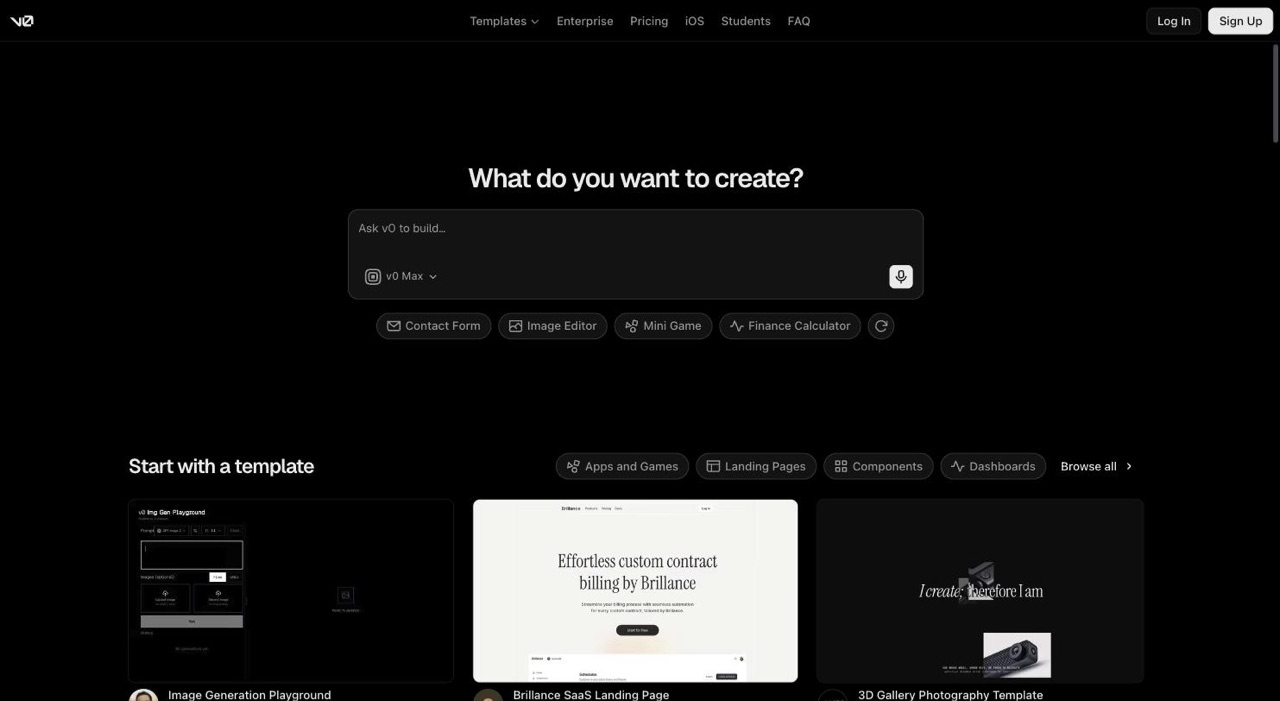
You don't need to be a developer to start. Tools like Lovable and v0 by Vercel let you prototype UI in days. OpenAI and Anthropic APIs handle the generative heavy lifting. Supabase handles your database, Clerk handles auth, Stripe handles payments, Vercel handles deployment.
The real work is validation. Before writing a line of code: post the idea on relevant subreddits (r/web_design, r/SaaS, r/freelance). Ask in designer Discord communities. Run a simple waitlist with a one-paragraph description. If 50 people sign up without a product, you have signal. Validate your startup idea properly before you build.
For marketing: Product Hunt launches still work for design tools specifically (though you may want to check Product Hunt alternatives). SEO targeting long-tail terms ("AI brand kit generator for startups," "screenshot to code tool") compounds over time. X and LinkedIn communities of indie hackers and designers are active and engaged. Once it is live, work through the SaaS directories ranked by DR for early backlinks.
One honest risk worth naming: AI tool saturation is real. The tools that will win aren't the ones with the most impressive demo. They're the ones that understand designer context deeply enough to produce outputs that don't need significant manual cleanup. That's the actual bar.
The Honest Picture
The generative AI design market is growing fast, but that also means more competition arriving every quarter. The window to build and own a niche is narrowing, not widening.
The good news: most of the market is still being addressed with broad, generic tools. A focused product that does one thing exceptionally well for a specific type of designer, at a price they'll pay without a procurement process, still has enormous room to succeed.
By 2026, an estimated 75% of SaaS providers are expected to incorporate AI-driven automation into their platforms. Most of that will be enterprise. The micro SaaS opportunity is in the gaps those platforms can't afford to focus on.
Pick the idea on this list that you'd actually use yourself. That's usually the right starting point.
Then build the smallest possible version that solves the core pain, and put it in front of real designers before you optimize anything else.
FAQs
What makes a micro SaaS profitable in 2026? Three things: it solves a recurring problem (not a one-time one), it has a clear niche audience you can reach, and it automates something that costs designers real time. Subscriptions at $29–$99/month with strong retention will generate meaningful MRR without needing thousands of customers.
How do I build these AI tools without coding? Tools like Lovable and v0 handle the UI without coding. OpenAI and Anthropic provide APIs for the intelligence layer. You can tie them together with backends like Supabase to get an MVP up and running in a few weeks.
Are these ideas too saturated to enter? Most aren't, especially when you niche down. A general AI branding tool might be saturated, but an AI generator specifically outputting pixel-perfect tailwind templates for SaaS is not. Focus is the competitive advantage.
What's the best first idea to build? Start with the AI Brand Kit Generator or the Screenshot-to-Code converter. Both have clear, validated demand among technical users and designers alike, with straightforward subscription potential.
How much can I realistically earn? With 200 paying users at $29/month, that's almost $5,800 MRR. A focused micro-SaaS can realistically reach $10K–$50K MRR as you refine the product and scale marketing channels.
Get your SaaS in front of founders
List your product on the SaaSCity live city map - a permanent listing, real discovery, and a backlink from a high-DR directory. Free to start; upgrade for a dofollow link and a building on the map.