Launch & Growth
The Complete Startup Launch Checklist for 2026: 50 Steps From Pre-Launch to Post-Launch
The definitive step-by-step checklist for launching a startup in 2026. 50 actionable items covering pre-launch preparation, launch day execution, and post-launch growth, organized so you don't miss anything critical.

Contents (7)
Quick answer: A startup launch in 2026 runs across three phases and 50 concrete steps. Pre-launch, 2 to 4 weeks out, covers product readiness, landing page, SEO, legal pages, and Tier 1 directory submissions to G2, Capterra, Trustpilot, SourceForge, and Crunchbase. Launch day means a smoke test, Product Hunt between 12:01 AM and 8:00 AM PT, Show HN, a directory listing, and an email blast. Post-launch covers weeks 1 through 4 of feedback, bug fixes, and directory follow-up.
You've been building for weeks (or months). The product works. You're almost ready to show it to the world. But are you actually ready?
Most startup launches fail not because the product is bad, but because the founder missed critical pre-launch steps, botched the timing, or ran out of steam on day two. This checklist ensures you don't make those mistakes.
50 steps. Three phases. Everything you need to do before, during, and after launch.
Bookmark this page. Come back to it the week before your launch and work through it systematically.
Key Takeaways
- Fifty steps, three phases: Pre-launch runs 2 to 4 weeks out, launch day is hour by hour, and post-launch covers weeks 1 through 4.
- Submit to Tier 1 directories early: G2, Capterra, Trustpilot, SourceForge, and Crunchbase take 1 to 2 weeks to approve, so they go out before launch day.
- Write the launch posts before launch day: The tweet thread, LinkedIn post, Indie Hackers post, Reddit post, and Show HN submission are all drafted in advance.
- Product Hunt timing is specific: Post between 12:01 AM and 8:00 AM Pacific Time with a maker comment, backed by 5 to 10 supporters lined up ahead of time.
- Six failures mean delay, not launch: Broken signup, failing payments, a down core feature, an unloadable landing page, undelivered email, or DNS and SSL problems.
- Respond to everything on day one: Every Product Hunt, Hacker News, Reddit, and Twitter comment, plus a personal welcome email to the first 10 to 20 signups.
Phase 1: Pre-Launch (2-4 Weeks Before Launch)
Product Readiness
- 1. Core feature works end-to-end. Sign up → use product → get value. Test with 5 different people who aren't you.
- 2. Payments are working. Complete a real test purchase through Stripe/LemonSqueezy. Verify the webhook processes correctly.
- 3. Onboarding flow exists. New users shouldn't stare at a blank screen. Include welcome message, tooltips, or a getting-started guide.
- 4. Error states are handled. What happens when the API fails? When payment is declined? When the user has no credits? Every edge case should show a helpful message, not a blank page or crash.
- 5. Mobile responsive. Test on your phone. Test on someone else's phone. Fix anything that's broken on small screens.
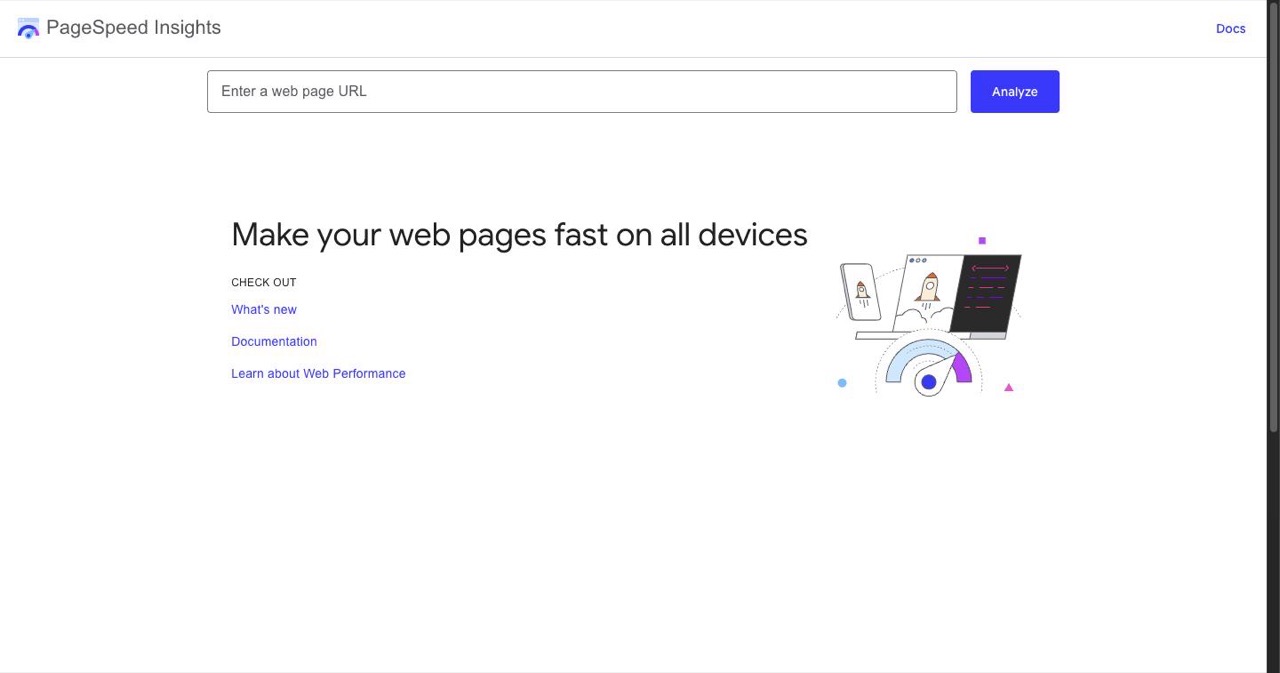
- 6. Performance check. Page load under 3 seconds. No obvious memory leaks. Core Web Vitals passing (use PageSpeed Insights).
- 7. Security basics. HTTPS enabled. Environment variables not hardcoded. API keys server-side only. Rate limiting on auth and API endpoints.
Landing Page
- 8. Clear value proposition. One sentence that explains what you do and who it's for. Visible above the fold.
- 9. Call-to-action (CTA). One primary CTA button: "Start Free Trial," "Get Started," or "Try It Free." Visible immediately.
- 10. Social proof. Testimonials, user count, logos, or "As seen on" badges. Even 3 testimonials from beta users count.
- 11. Demo or screenshots. Show the product in action. Not a mockup. The real product. Video is even better.
- 12. Pricing section. Clear pricing with no surprises. Charge from day one. Our SaaS marketing playbook covers value-based pricing.
- 13. FAQ section. Address the top 5 objections: Is it free? How do I cancel? What if I need help? Is my data safe? What tech stack do you use?
SEO & Technical
- 14.
<title>tags set. Every page has a unique, keyword-rich title (50-60 characters). - 15. Meta descriptions written. Every page has a compelling meta description (150-160 characters).
- 16. Open Graph tags. Title, description, and image for social sharing. Test with OpenGraph.xyz.
- 17. Favicon set. 16x16 and 32x32 .ico file, plus apple-touch-icon for iOS.
- 18. XML sitemap. Generated and submitted to Google Search Console.
- 19. Robots.txt. Allows crawling of public pages, blocks admin/dashboard pages.
- 20. Analytics installed. Google Analytics 4 or Plausible + Google Search Console verified.
- 21. Schema markup. Organization schema on homepage, Product schema on pricing page. See our JSON-LD structured data guide for the full schema checklist.
Legal & Compliance
- 22. Privacy Policy published. Use Termly or similar generator. Link from footer.
- 23. Terms of Service published. Link from footer and from the signup flow.
- 24. Cookie consent (if needed). Required for EU visitors. Keep it simple with a banner.
- 25. GDPR compliance. Data export and deletion capabilities if you serve EU users.
Pre-Launch Marketing
- 26. Submission kit prepared. Product name, one-liner, short/long descriptions, logo (400x400 transparent PNG), screenshots (1280x720), category tags, pricing info. All in one document. See our directory submission guide for the full kit.
- 27. Submit to Tier 1 directories. G2, Capterra, Trustpilot, SourceForge, Crunchbase. These take 1-2 weeks to approve, so submit early. Full list.
- 28. Product Hunt prepared. Create your upcoming page (if using PH). Line up 5-10 supporters who will comment and upvote on launch day.
- 29. Email launch list built. Even 50 people is enough. Collect emails from beta users, friends, Twitter followers, and landing page visitors.
- 30. Launch announcement drafted. Write the tweet thread, LinkedIn post, Indie Hackers post, Reddit post, and HN "Show HN" submission BEFORE launch day. Don't wing it.
Phase 2: Launch Day
Morning (First 2 Hours)
- 31. Final smoke test. Sign up as a new user, complete the core flow, process a test payment. Verify everything works in production, not just locally.
- 32. Launch on Product Hunt. Post between 12:01 AM and 8:00 AM PT for maximum visibility. Include maker comment with your story.
- 33. Post "Show HN" on Hacker News. Honest description, be ready to answer questions immediately.
- 34. Submit to SaaSCity. Free, fast review, permanent listing; paid plans add a building on the interactive city map.
- 35. Send launch email to your list. Subject line formula: "[Product Name] is live: [one-sentence value prop]."
Throughout the Day
- 36. Post on social media. Twitter/X thread, LinkedIn post, Instagram if visual, TikTok if you have an audience there.
- 37. Post on Reddit. Relevant subreddits: r/SaaS, r/SideProject, r/Startup, r/artificial (if AI), r/webdev (if dev tool). Follow subreddit rules, and read them first.
- 38. Share on Indie Hackers. Create a product page and share a launch post. Include metrics if you have them.
- 39. Respond to EVERYTHING. Every comment on Product Hunt, HN, Reddit, and Twitter. Every email. Every signup. Be present all day.
- 40. Monitor for bugs. Check error tracking (Sentry), server logs, and customer messages. Fix critical bugs immediately.
- 41. Thank early users. Send a personal welcome email to the first 10-20 signups. Ask for feedback. These people will become your biggest advocates.
For the full list of launch platforms, see our Product Hunt alternatives guide.
Phase 3: Post-Launch (Week 1-4)
Week 1
- 42. Follow up on directory submissions. Check which Tier 1 submissions were approved. Resubmit if rejected. See what's pending.
- 43. Submit to Tier 2-3 directories. Now that you're live, submit to the remaining free directories that give real backlinks. Budget 30 minutes/day.
- 44. Collect feedback. Email your first 20 users. Ask: "What's the #1 thing you'd improve?" Build the top-requested feature.
- 45. Fix launch bugs. Prioritize anything that prevents sign-up or payment. Everything else can wait.
Week 2-4
- 46. Continue directory submissions. Work down the directories ranked by DR over the next 4-8 weeks.
- 47. Publish first blog post. Target a keyword related to your product. Start building your content engine. See our programmatic SEO guide.
- 48. Set up email sequences. Onboarding sequence (5-7 emails over 14 days), win-back sequence for churned users.
- 49. Ask for reviews. Email happy users and ask for a G2 or Capterra review. Social proof compounds.
- 50. Measure and plan. Review launch metrics: signups, conversions, traffic sources, feedback themes. Plan your next 30 days based on data, not gut feeling.
Launch Day No-Go Checklist
Things that will derail your launch if they break:
| ⚠️ No-Go Item | Test It |
|---|---|
| Signup flow broken | Create a new account from scratch |
| Payment processing failing | Complete a real $1 test purchase |
| API/core feature down | Test the main action 5 times |
| Landing page not loading | Check from mobile + different browser |
| Email delivery failing | Send test emails to multiple providers |
| DNS/domain issues | Check from incognito + check SSL |
If any of these fail, delay the launch. A broken launch is worse than a delayed launch.
The One-Page Launch Plan
Print this and tape it to your wall the week before launch:
PRE-LAUNCH (2 weeks before)
├── Product: Works end-to-end ✓
├── Landing page: Clear CTA + social proof ✓
├── SEO: Titles, meta, sitemap, analytics ✓
├── Legal: Privacy + ToS published ✓
├── Submissions: Tier 1 directories submitted ✓
├── Content: Launch posts pre-written ✓
└── Email list: 50+ contacts ready ✓

LAUNCH DAY
├── 6:00 AM: Final smoke test
├── 7:00 AM: PH + HN + directory listing
├── 8:00 AM: Email blast to list
├── 9:00 AM: Social media posts
├── All day: Respond to everything
└── Evening: Fix any bugs found

POST-LAUNCH (weeks 1-4)
├── Week 1: Follow up, fix bugs, collect feedback
├── Week 2: Directory submissions + first blog post
├── Week 3: Email sequences + review requests
└── Week 4: Measure, plan next 30 days
Post-Launch Growth Path
Your launch is just day 1. Here's what to do next:
- Build backlinks: Complete directory submission guide
- Get first 100 users: First 100 users playbook
- Start content marketing: programmatic SEO for SaaS
- Scale growth: get your first 100 users
- Reach $10K MRR: boring SaaS ideas printing $5K MRR
For the complete launch-to-scale playbook, see The Ultimate Guide to Launching a SaaS in 2026.
Get your SaaS in front of founders
List your product on the SaaSCity live city map - a permanent listing, real discovery, and a backlink from a high-DR directory. Free to start; upgrade for a dofollow link and a building on the map.