SaaS Business
Best Micro SaaS Opportunities in UGC Marketing 2026: Top Tools for Video Generation and Scroll-Stoppers
The UGC market hit $7.6 billion in 2025. This article breaks down Micro SaaS opportunities in AI-powered video generation, scroll-stopping content tools, and UGC pipeline infrastructure for 2026.


Contents (9)
- Key Takeaways
- The UGC Shift That's Creating These Opportunities
- The 2026 UGC Market: What You're Actually Entering
- Micro SaaS Opportunity #1: AI UGC Video Generators
- Micro SaaS Opportunity #2: Scroll-Stopper and Hook Generation Tools
- Micro SaaS Opportunity #3: UGC Pipeline Infrastructure
- How to Actually Launch One of These
- The Competitive Reality
- Where to Start
Quick answer: The Micro SaaS openings in UGC marketing for 2026 sit in three places: AI UGC video generators built for one vertical, scroll-stopper and hook generation tools, and UGC pipeline infrastructure covering briefs, creator submissions, rights management and repurposing. The UGC market hit $7.6 billion in 2025, up 69% year over year, and broad tools like Creatify, HeyGen and Arcads leave vertical workflows unserved. Realistic pricing runs $100 to $1,500 per month depending on the category.
The UGC market hit $7.6 billion in 2025, up 69% from the year before. That's not a trend. That's a signal.
And right in the middle of that explosion sits a window for Micro SaaS builders. Not the massive, VC-funded platforms. The lean, niche tools solving one painful problem really well, and charging $200–$1,000/month to do it.
This article breaks down exactly where those opportunities live in 2026: AI-powered video generation, scroll-stopping content tools, and the intersection of both. If you're thinking about your next bootstrapped product, keep reading.
Key Takeaways
- Market size: UGC reached $7.6 billion in 2025, up 69% year over year, and AI video generators are projected to grow from $534 million in 2024 to $2.56 billion by 2032.
- AI UGC can outperform human UGC: One study put AI UGC ads at 18.5% engagement against 5.3% for human-made videos on TikTok, and AI tools generate dozens of variations daily versus a creator's 2 to 3 per week.
- Three categories to pick from: Vertical AI UGC video generators, hook and scroll-stopper tools, and UGC pipeline infrastructure.
- Hooks are their own product: Viewers decide in 1 to 3 seconds, and 6 to 20 second vertical videos stop the scroll best, so a dedicated hook generator tied to performance data is a separate business from video generation.
- Pipeline is the defensible slice: Enterprise tools like Bazaarvoice and TINT cost tens of thousands per year, leaving a mid-market product at $200 to $600 per month wide open, with rights and disclosure compliance as the wedge.
- The 90-day path: Landing page and waitlist in weeks 1 to 2, MVP on a no-code plus AI API stack in weeks 3 to 8, and 10 paying customers by week 12.
- Margins to aim for: 80% gross margin is achievable, for example a $300 per month tool carrying roughly $50 in API cost per customer.
The UGC Shift That's Creating These Opportunities
Here's what changed. Traditional UGC relied on real creators. You'd post a brief, negotiate a rate, wait two weeks, get footage that kind of matched your brand, and repeat. Expensive. Slow. Unpredictable.
As performance marketing environments demand constant creative iteration, even high-performing videos see declining click-through rates within weeks, which requires continuous content refresh that traditional creator workflows simply can't support at scale.
Enter AI. AI UGC ads are outperforming even human-created UGC in some cases. One study showed AI UGC ads achieved 18.5% engagement versus 5.3% for human-made videos on TikTok. While a human creator might produce 2–3 UGC videos per week, AI tools can generate dozens of variations daily.
That performance gap is where Micro SaaS opportunity lives. Brands need the volume. Agencies need the speed. Solo founders with the right tool stack can build something that delivers both, at a fraction of the cost of hiring creators.
UGC-based ads generate 4× higher click-through rates compared to traditional branded creatives, and 79% of consumers say UGC directly influences their purchase decisions. Brands know this. The problem is execution at scale, not belief in the format.
The 2026 UGC Market: What You're Actually Entering
Before we get into product ideas, you need to understand the market dynamics. Because "UGC tool" is not a niche. It's a category. Your Micro SaaS needs to own a specific slice.
Three macro forces are shaping this space right now:
1. Authentic beats polished, every time. Audiences keep rewarding videos that feel like a person made them for other people. Creator-style video works because it looks native in feeds, and it solves a business problem: you can create more content when you don't need everything to look perfect.
2. Platform algorithms reward speed. You have 1–3 seconds to capture attention before viewers scroll. Every video must open with a compelling hook (visual, auditory, or textual) that immediately signals value. This pressure creates demand for tools that generate, test, and iterate hooks fast.
3. Small teams need big output. AI video tools reduce production costs by up to 80%, and 69% of Fortune 500 companies now use AI-generated videos for brand storytelling. If Fortune 500 teams are adopting this, the mid-market and e-commerce segment is next, and they'll pay for a focused tool that does one thing brilliantly.
The global AI video generator market is projected to grow from $534 million in 2024 to $2.56 billion by 2032. You don't need to capture all of it. You need 50 customers at $200/month.
Micro SaaS Opportunity #1: AI UGC Video Generators
This is the most active space in 2026, and it's not saturated. It's fragmented. Meaning there's no single dominant tool for every use case. That's your opening.
What the market wants
Brands need to generate multiple creative variations automatically: alternative hooks, product positioning sequences, tonal adjustments. An AI UGC video generator transforms creative testing from a manual process into an automated system.
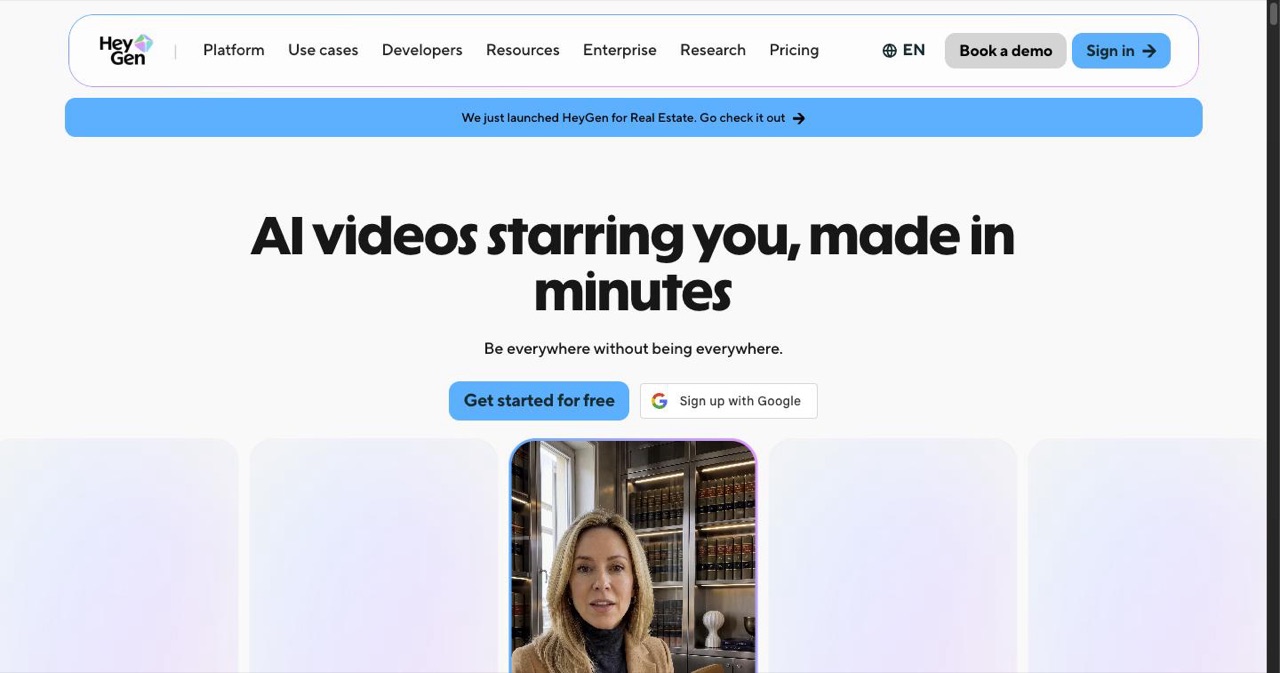
Tools like Creatify, HeyGen, and Arcads serve the broad market. The Micro SaaS opportunity is in building for a specific vertical or workflow: e-commerce brands running TikTok Shop campaigns, SaaS companies producing demo-style UGC, health and wellness brands that need compliant creator-voice content.
Three viable product angles
Script-to-video for niche verticals. Build a UGC video generator specifically for one industry, say supplement brands or software tools. Train it on hooks that convert in that vertical. Charge $300–$800/month. A general tool can't match the specificity.
Hybrid UGC platforms for agencies. Creator marketplace platforms connect brands with vetted creators who produce UGC-style content on demand. Build a lighter version of this specifically for boutique agencies managing 10–30 brand accounts. Include AI avatar content for fast-turnaround requests and human creator matching for high-trust campaigns. Subscription at $500–$1,500/month per agency seat.
B2B content repurposers. Take long-form content (webinars, founder interviews, podcasts) and convert it into UGC-style short clips optimized for LinkedIn and YouTube Shorts. This is an underserved niche. Most repurposing tools target B2C creators, not B2B marketing teams. MRR potential with 30 customers: $6,000–$15,000.
Pricing and validation benchmark
Performance marketers cite improved ROAS and engagement rates once they shifted from creator-dependent workflows to AI-generated ads, allowing them to launch and iterate campaigns in minutes instead of weeks. When the alternative is hiring creators at $200–$1,000 per video, a $400/month SaaS tool is an obvious win. That's your pricing anchor.
Validate before you build: post in r/SaaS, r/Entrepreneur, and relevant Discord communities with a landing page. Ten signups before you write a line of code tells you something real.
Micro SaaS Opportunity #2: Scroll-Stopper and Hook Generation Tools
Video is the container. The hook is what determines if anyone watches it. This is a massive, undersolved problem, and it's distinct enough from video generation to be its own product category.
Why scroll-stoppers are a separate opportunity
Common high-value uses for AI in video workflows include generating multiple hook options for testing, cleaning up captions, and speeding up repetitive edits like resizing and formatting. Most video tools bolt hooks on as an afterthought. A dedicated hook and scroll-stopper tool can go deeper: psychology-driven, platform-specific, A/B test-ready.
Measure hooks like you would a landing page headline, by tracking early retention and watch time, then turning what wins into a repeatable series instead of one-off posts. That insight implies a product: a hook generator that also connects to performance data and tells you which hooks are actually working.
Three product angles worth building
AI hook generator with psychological frameworks. Not just "generate 10 hooks for this product." Build in specific frameworks: curiosity gaps, pattern interrupts, social proof openers, fear of missing out angles. Let users A/B test directly within the tool and see which hook type performs. $100–$250/month for solo creators and small teams.
Visual scroll-stopper optimizer. Short-form vertical videos of 6–20 seconds are proving most effective for stopping the scroll. Build a tool that analyzes your first 3 seconds of video (thumbnail frame, text overlay, motion speed) and scores scroll-stop potential before you post. Pair it with suggestions. This is productizing what good editors do intuitively.
Content performance tracker for UGC. Turn what wins into a repeatable series instead of one-off posts. That's the strategy. Build the infrastructure for it: a dashboard that tracks scroll-stop rate, watch completion, and shares across TikTok, Reels, and Shorts, then surfaces which hook patterns and visual styles drive retention. Target mid-market brands and agencies. $300–$1,500/month.
Micro SaaS Opportunity #3: UGC Pipeline Infrastructure
This one is less obvious but arguably the most defensible category. Most brands don't have a content problem. They have a content system problem.
You don't need a complicated program. You need a repeatable process: pick 3 content prompts you can reuse every week, collect raw footage from customers and creators, standardize the edit style so everything still feels on-brand, and recycle winners into paid ads, landing pages, and email.
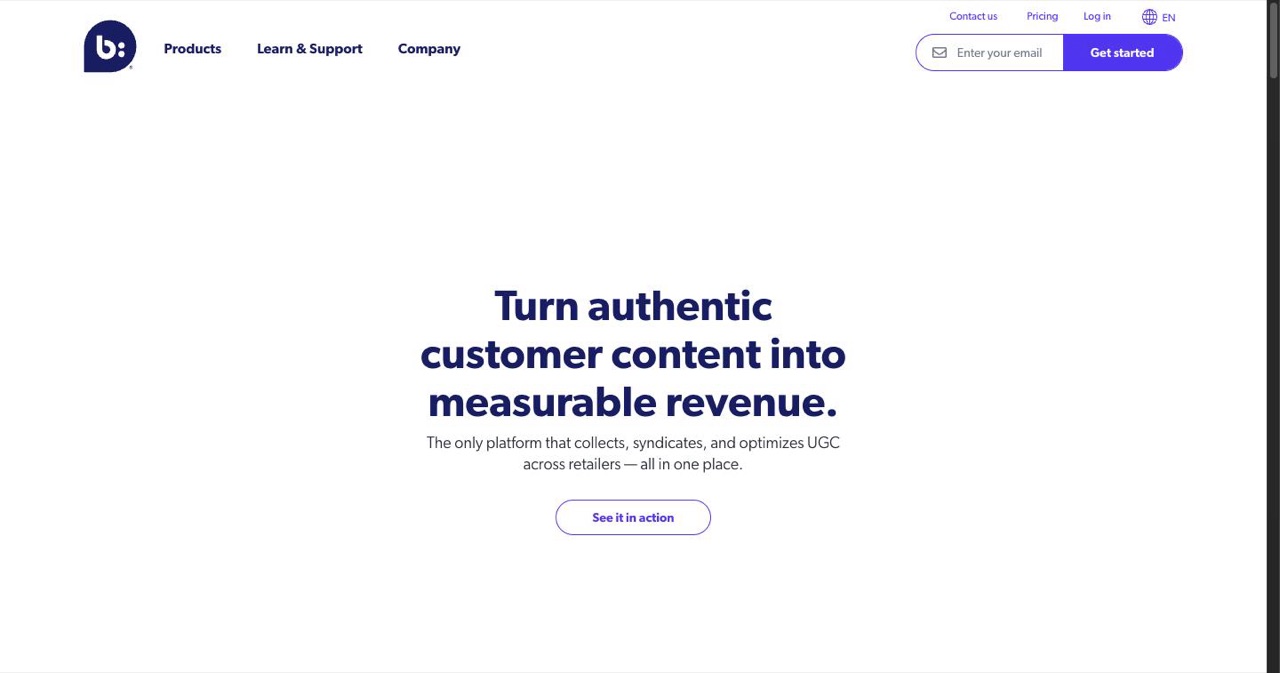
That's a product spec. Build the system that manages this: brief templates, creator submission portals, content rights management, one-click repurposing across formats. The enterprise tools (Bazaarvoice, TINT) cost tens of thousands per year. Build the mid-market version at $200–$600/month and you'll find plenty of customers.
Rights management alone is a pain point worth solving. Brands need to ensure content is platform-compliant and ethical. Advertising platforms like Meta, TikTok, and Google require honest messaging, and disclosure may be mandatory based on location and platform when using AI-generated avatars. A compliance-aware UGC management layer has real value.
How to Actually Launch One of These
The idea isn't the hard part. Getting from idea to first paying customer in 60–90 days is.
Week 1–2: Validate with a landing page. Write a one-paragraph description of the problem and a mockup of the solution. Put it up with a waitlist. Drive traffic through Reddit marketing posts (genuinely helpful ones, not spam), X threads, and cold DMs to people who've posted about the exact problem.
Week 3–8: Build the MVP. No-code stacks (Bubble, Softr, or Glide for the frontend; OpenAI, Replicate, or ElevenLabs APIs for the AI layer) let you build UGC video and hook generation tools without a full engineering team. Don't build everything. Build the one workflow that solves the most painful part of your user's job.
Week 9–12: Get to 10 paying customers. Charge from day one. Even $50/month. The conversations you have with paying customers are worth 100x more than user interviews with people who got access for free.
Aim for 80% gross margins. That's achievable with API-based AI tools once you optimize your cost per output. A tool at $300/month with $50 in API costs per customer is a good business.
The Competitive Reality
Yes, HeyGen, Creatify, and the other well-funded players exist. No, that doesn't close the window for Micro SaaS.
The big tools optimize for breadth. You optimize for depth. You know the exact TikTok Shop affiliate workflow better than anyone. You know what hooks convert for skincare DTC brands. You build directly into the tools your users already live in (Notion, Linear, Slack) rather than asking them to switch contexts.
93% of marketers who employ UGC campaigns say they outperform their other tactics. That means your potential customers already believe in UGC. You're not selling them on the format. You're selling them on your tool being the best way to execute it for their specific situation. That's a much easier conversation.
Where to Start
Pick one opportunity, one customer type, one platform. Build a tool that does one thing better than anything else on the market for that specific person. Then charge accordingly.
The creator economy is projected to reach $480 billion by 2027. UGC is already the dominant ad format on the fastest-growing platforms. The brands and agencies producing this content at scale are paying for tools to help them, and most of the tools they're paying for weren't built specifically for them.
That gap is your business.
Want to go deeper on validating Micro SaaS ideas before you build? Follow along as we cover the full launch playbook, from landing page to first 100 customers, in upcoming posts.
Get your SaaS in front of founders
List your product on the SaaSCity live city map - a permanent listing, real discovery, and a backlink from a high-DR directory. Free to start; upgrade for a dofollow link and a building on the map.