SaaS Business
Profitable Micro SaaS in Video Production 2026: Subtitle Automators and Frame Extractors
The video production industry is booming, and micro SaaS is solving hyper-specific problems for creators. Discover why subtitle automators and frame extractors are the two most lucrative and underbuilt niches in 2026, and learn the exact playbook to build, price, and launch your own.

Contents (7)
Quick answer: The two most underbuilt micro SaaS niches in video production for 2026 are subtitle automators and frame extractors. A subtitle automator turns a two-to-four-hour manual captioning job into under five minutes at 95%+ accuracy using OpenAI Whisper plus GPT cleanup, and sells at $49 to $149 a month. A frame extractor uses FFmpeg with Google Cloud Vision or AWS Rekognition to score and return the best thumbnail frames, priced at $2-5 per video or $29-$79 a month.
Someone built a subtitle tool over a weekend. It now makes $8K a month. They have zero employees.
That's the whole pitch for micro SaaS in video production. If you've been sleeping on it, this is your wake-up call.
The video production industry is on track to surpass $5 billion in SaaS value in 2026, driven almost entirely by creators, marketers, and remote teams who need specific tools that do one thing fast. Not another all-in-one suite. One thing, fast, reliably. That's where micro SaaS lives, and two niches right now are criminally underbuilt: subtitle automators and frame extractors.
Let's get into it.
Key Takeaways
- The market is large and specific: video production is on track to pass $5 billion in SaaS value in 2026, inside a global SaaS industry heading for $375 billion.
- Margins favor solo builders: bootstrapped micro SaaS businesses typically run 70%+ profit margins because infrastructure costs and overhead are minimal.
- Subtitles are the clearest pain: manual subtitling for a 30-minute video takes two to four hours, against under five minutes at 95%+ accuracy with an automator.
- Frame extraction is easier to build: FFmpeg plus a vision API scores frames, and thumbnail CTR gains of 1% on a 100K-subscriber channel mean thousands of extra views per video.
- Build time is weeks, not years: a subtitle MVP on Whisper, GPT, n8n or Make, and a Bubble or Webflow frontend takes two to three weeks.
- Price on saved hours: three hours saved a week at $50 an hour is $150 of value, so $49 a month is easy and $9 a month is a mistake.
- Realistic ceilings are solid, not unicorn: 100 subtitle subscribers at $99 is $9,900 MRR, and 200 frame-extractor users at $49 is $9,800 MRR.
What Is Micro SaaS (And Why Video Is the Perfect Home for It)
Micro SaaS is small-scale software targeting one painful, specific problem. Usually subscription-based. Usually built by one person or a tiny team. Low overhead, high margin: bootstrapped micro SaaS businesses typically hit 70%+ profit margins because there's no VC pressure and minimal infrastructure costs. If you're building your first project, check out our startup launch checklist 2026 to hit the ground running.
The best micro SaaS products are almost boring. They're not trying to be Notion or Adobe. They're trying to save a video editor 3 hours every Tuesday.
Video production is an ideal fit for this model for a few reasons. First, the workflow is full of repetitive tasks: transcribing, captioning, extracting frames, syncing timestamps. These are exactly the kinds of jobs AI APIs handle cheaply and well. Second, the audience (creators, marketers, editors) are already paying for tools and actively seeking better ones. Third, big platforms like YouTube, TikTok, and Instagram keep changing their content requirements, which constantly generates new micro-pain-points to solve.
The global SaaS industry is on track to hit $375 billion in 2026, and the opportunity has shifted from generalized tools toward hyper-specialized, AI-powered solutions. The solo founder who spots a niche problem and ships a clean solution is eating well right now.
Subtitle Automators: The "Boring" Goldmine
What They Actually Do
A subtitle automator isn't just auto-captions. The good ones handle speaker detection, multi-language output, style customization (different caption layouts for TikTok vs. YouTube Shorts), and export in formats that plug directly into editing timelines or social schedulers.
The pain they solve is real. Manual subtitling for a 30-minute video takes 2-4 hours. A decent automator gets it done in under 5 minutes with 95%+ accuracy. For a creator publishing three videos a week, that's 6-12 hours back per week. At that point, $99/month is an easy yes.
Who's Paying for This
The customer set is wide but specific. Corporate training teams creating compliance videos. Podcast producers turning audio into captioned clips. YouTube channels optimizing for SEO through accurate transcripts. Marketing agencies handling multilingual ad campaigns. All of these are recurring use cases, which means recurring subscription revenue.
Video podcasting alone has exploded. Platforms like Spotify and YouTube are now primary distribution channels for long-form audio, and every clip that gets repurposed into a short needs captions. That's table stakes in 2026. Captions aren't optional anymore on short-form content. They're expected.
The Revenue Math
Here's how the numbers look at a realistic scale. If you charge $99/month and get 20 paying users, that's $1,980 MRR. Not life-changing, but this is a niche tool built in weeks, not years. Push to 80 users and you're at $7,920/month. Add a $199/month agency tier and the numbers get interesting fast.
The cost side is cheap. OpenAI's Whisper API for transcription runs fractions of a cent per minute of audio. You're building on top of infrastructure that already works. Your job is the wrapper, the UI, and the distribution. Ensure a strong online presence to maximize distribution; consider optimizing your Domain Rating to boost search visibility.
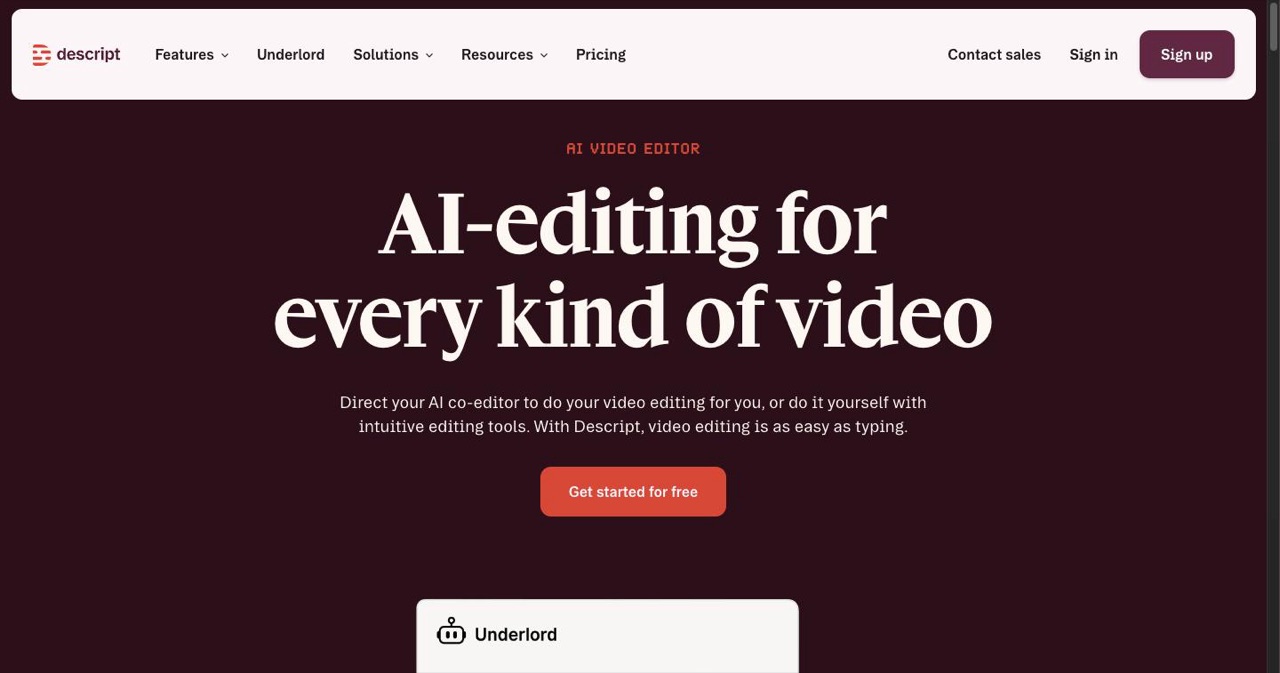
Tools like OpusClip and Descript have proven the demand, but they're broad platforms. The gap is vertical-specific subtitle tools — one built specifically for corporate L&D teams, one for multilingual creators, one for podcasters who need SEO-optimized transcripts with chapter markers. Narrow scope, lower competition, and customers who feel like you built it for them.
How to Build It
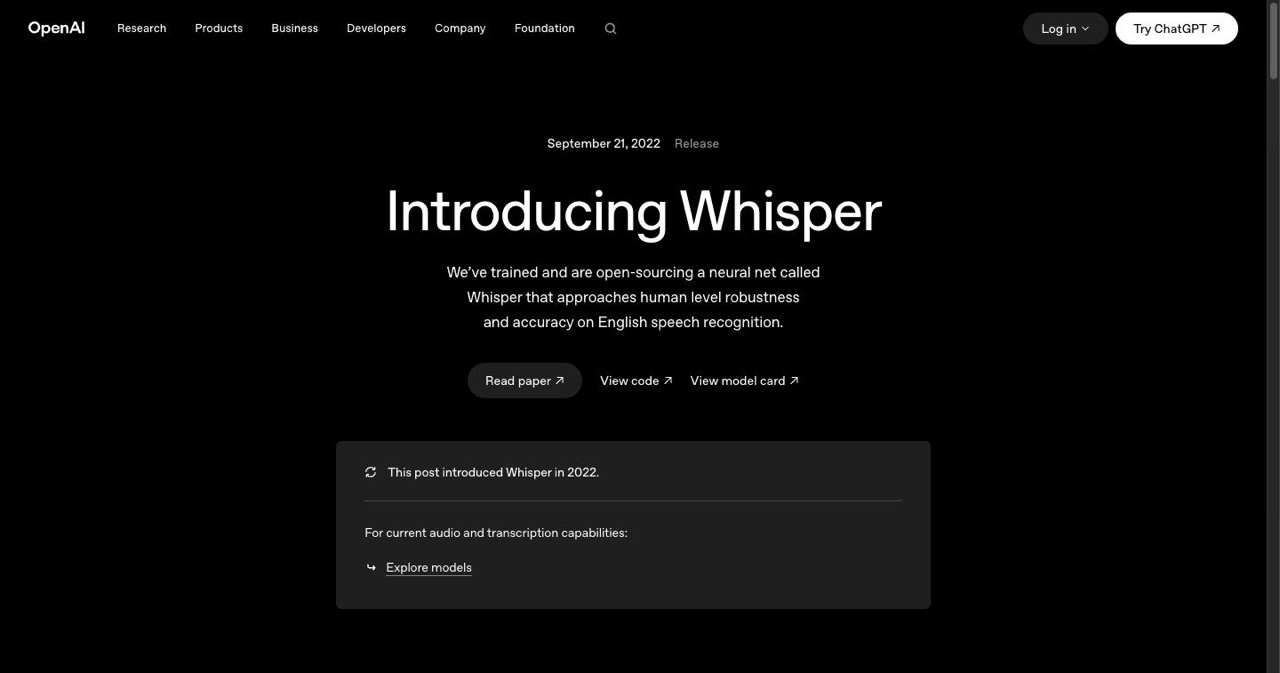
You don't need to start from scratch. The stack is simple: OpenAI Whisper for transcription, GPT for cleanup and timestamp formatting, n8n or Make for automation flows, and a Bubble or Webflow frontend. Total MVP time: two to three weeks if you're focused.
Pricing strategy: start with a free tier (5 videos/month) to generate word-of-mouth, then push a $49/month individual plan and a $149/month team plan. The freemium funnel in this space converts well because the value is immediately visible: users experience the time save on their first video. If your product is fully built, consider doing SaaS directory submissions to acquire initial users.
Frame Extractors: Low Build Complexity, Real Demand
What the Tool Does
A frame extractor pulls the best individual frames out of a video automatically. Not random screenshots. The good ones use motion analysis, face detection, and composition scoring to identify the frames most likely to perform as thumbnails, B-roll, or marketing assets.
This matters because thumbnail quality is directly tied to click-through rate on YouTube. A 1% improvement in CTR on a channel with 100K subscribers can mean thousands of additional views per video. Creators know this and obsess over thumbnails, which makes a tool that generates 10 high-quality thumbnail candidates in 30 seconds an easy sell.
The Use Cases
Beyond thumbnails, frame extractors serve a surprising range of workflows. E-commerce teams pull product frames from unboxing videos. Educational platforms extract diagrams and visuals from lecture recordings. Social media managers grab clean frames to use as static posts promoting video content. Documentary editors use them for shot-logging.
With the creator economy booming, tools for YouTubers, podcasters, and social media creators are in high demand. Frame extraction sits at the intersection of video and image workflows, and that's a busy intersection.
Building and Pricing This
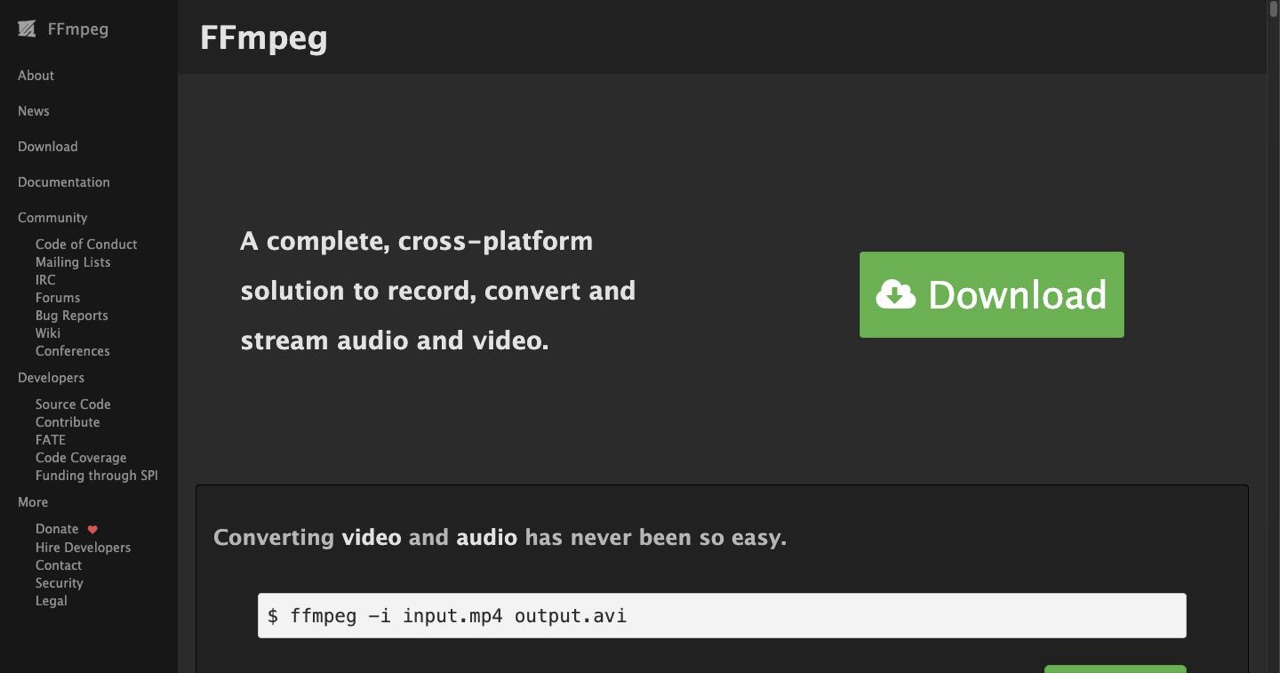
The technical lift here is actually lower than subtitle automation. FFmpeg handles frame extraction reliably. A computer vision API (Google Cloud Vision or AWS Rekognition) scores each frame for quality. You wrap it in a clean UI, let users upload a video or paste a YouTube link, and deliver a grid of the best frames with one-click download.
Pricing works well at a per-video model ($2-5 per video processed) or a flat subscription ($29-$79/month for volume users). The per-video model has a lower commitment barrier, which helps with acquisition. Subscriptions are better for MRR stability, so the smart move is offering both.
Revenue potential sits at $29-$199/month depending on video volume, which tracks with what real indie founders are reporting in this niche.
The Trends Making Both of These Work Right Now
A few things happening in 2026 are tailwinds for both tools.
Short-form content isn't slowing down. TikTok, Instagram Reels, and YouTube Shorts are still the primary discovery mechanism for most content. Every long-form video now gets repurposed into multiple shorts, and each short needs captions and a thumbnail. That's a compounding workflow problem micro SaaS can own.
Remote production is standard. Teams collaborating across time zones need cloud-based tools for every step of the editing process. That's not a trend anymore, it's baseline. Tools that live in the browser and export directly to shared folders or scheduling platforms fit this workflow perfectly.
AI video generation models changed the equation. With models like Seedance 2.0 offering cinematic video generation via API, including dynamic camera control, reference video replication, and audio-guided pacing, founders can now build AI-powered video creation tools that were impossible even months ago. This opens entirely new micro SaaS categories: AI ad creative generators, music video tools, product video platforms. Check out our guide on building a Seedance 2.0 video platform if video generation SaaS interests you.
AI raised everyone's expectations. Creators who have used Descript or OpusClip now expect AI-powered editing everywhere. The market has been educated. You're not selling the concept of AI transcription anymore. You're selling a better version of something people already understand and want.
Localization demand is real. As creators target international audiences, multi-language subtitles have gone from nice-to-have to necessary. The tools that do accurate translation within the subtitle workflow (not as a separate step) will have a significant advantage.
How to Launch Your Own in This Space
The playbook is shorter than you think.
Start with validation, not code. Post in creator subreddits, video editor Facebook groups, and relevant Discord servers. Describe the problem, not the tool. Ask if people deal with it. If 10+ people respond with "yes, constantly" in 24 hours, you have a signal.
Build the smallest useful thing. One input, one output. Upload video, get subtitles. Upload video, get frames. Don't add a dashboard, analytics, or team features until someone asks for them. A micro SaaS solves one or two key problems for a niche audience — highly niche, lower (but still profitable) revenue ceiling.
Price higher than you think. Most first-time founders underprice. If your tool saves someone 3 hours per week and they bill at $50/hour, that's $150/week in value. Charging $49/month is a no-brainer for them. Don't charge $9. Remember, using a untrustworthy domain to save money can kill conversions; learn how your cheap domain is quietly killing your SaaS.
Distribute where your customers already are. That means YouTube creator communities, LinkedIn for corporate video teams, and Reddit for indie developers. Content marketing on Medium and Twitter/X works if you actually know this space. Share your build process, the numbers, what's working.
Aim for 10 paying customers first. Not a thousand. Ten. Get their feedback, improve the product, then scale. Solo founders routinely hit $5K-$50K+ MRR by targeting niche pain points, but it starts with a small group of real users who care.
What This Actually Looks Like at Scale
A subtitle automator with 100 subscribers at $99/month is $9,900 MRR, roughly $119K ARR. That's a solid indie business, operated solo, with near-zero cost of goods.
A frame extractor at 200 users on a $49/month plan is $9,800 MRR. Same story.
Neither of these is a unicorn. That's the point. These are durable, specific, quietly profitable tools that solve real problems for people who are already paying for software. The video production space is enormous, and most of the micro-niches within it are still wide open.
The window won't stay open forever. AI tooling is getting easier to build with every quarter, which means more competition is coming. But right now, in early 2026, a focused builder with two to three months of spare time can ship a tool that earns more monthly than most people make at their day job.
The question isn't whether the market is there. It obviously is. The question is whether you'll pick one problem and actually build.
Start with one niche, one workflow, one audience. Validate in a week. Ship in a month. The market is waiting, and it pays in recurring revenue.
Get your SaaS in front of founders
List your product on the SaaSCity live city map - a permanent listing, real discovery, and a backlink from a high-DR directory. Free to start; upgrade for a dofollow link and a building on the map.