SaaS Business
10 Micro SaaS Ideas for Social Media Managers in 2026: Niche Scheduling and Analytics Apps
Discover 10 micro SaaS ideas specifically for social media managers in 2026. From AI hashtag optimizers to TikTok-only schedulers, these niche tools are ready for solo founders to build.

Contents (12)
- Key Takeaways
- 1. AI Hashtag Optimizer for Niche Industries
- 2. TikTok-Only Video Scheduler with Performance Analytics
- 3. Content Repurposing Scheduler for Podcasts to Social
- 4. Engagement Predictor Analytics Dashboard
- 5. Niche Audience Segmenter for Instagram Analytics
- 6. Automated Comment Responder with Sentiment Analytics
- 7. Real-Time Trend Spotter and Scheduler
- 8. Collaborative Team Scheduler with Shared Analytics
- 9. E-Commerce Link Scheduler with Conversion Analytics
- 10. Burnout Analytics and Optimal Scheduling App
- The Actual Opportunity Here
Quick answer: The ten micro SaaS ideas for social media managers in 2026 are an AI hashtag optimizer for niche industries, a TikTok-only video scheduler with real analytics, a podcast-to-social repurposing scheduler, an engagement predictor dashboard that scores drafts before posting, an Instagram audience segmenter, an AI comment responder with sentiment scoring, a real-time trend spotter, a collaborative agency scheduler, an e-commerce link scheduler with revenue attribution, and a burnout analytics app. Pricing runs $9 to $39 per month, with MRR targets from $2K to $10K.
Key Takeaways
- The gap: Buffer, Hootsuite and Sprout Social are built for everyone, leaving specific industries deeply underserved.
- Hashtags got tighter: Instagram reportedly caps effective reach at around five hashtags, making precision tools valuable.
- TikTok analytics are thin: Native TikTok reporting is surface-level, which is why a dedicated $19 per month analytics tool has room.
- Repurposing is underexploited: Most managers pull three posts from a 45-minute podcast episode when 15 are available.
- Prediction beats post-mortem: Scoring a draft before it goes live is the advantage generic dashboards do not offer.
- Agency tools pay best: A team scheduler at $39 per team per month reaches $7,000 MRR at 180 teams.
- Validation rule: See the same complaint five or more times in Reddit, Slack or LinkedIn communities before writing code.
Most social media managers are drowning in tools that do everything and solve nothing.
Buffer, Hootsuite, Sprout Social. They're all fine. But "fine" doesn't fix the fact that you're managing 7 platforms, tracking trends in real time, repurposing a podcast episode, and trying to figure out why your engagement crashed on Tuesday. A tool built for everyone is optimized for no one.
That's exactly why micro SaaS, meaning small, subscription-based software solving one specific problem for one specific audience, is having its moment. Solo founders and tiny teams are shipping tools that do one thing exceptionally well, and social media managers are their most underserved market.
In 2026, platforms are reading micro-behaviors (hover time, rewatches, pauses) and pushing repeated themes to audiences. Winning means understanding what your audience cares about and building repeatable content they'll linger on. Generic scheduling tools weren't built for that kind of nuance.
Here are 10 micro SaaS ideas that match the actual way social media management works right now, with real monetization numbers and build paths attached.
1. AI Hashtag Optimizer for Niche Industries
Instagram reportedly limits hashtags to around five for maximum reach now. More isn't better. Precise is better.
This tool scans real-time platform data and suggests hyper-relevant hashtags for specific industries (fashion, fitness, food) based on what's actually moving engagement today, not six months ago. It integrates with your scheduler so the right tags go out with the right posts automatically.
Who it's for: Social managers at niche brands who've noticed hashtag spray-and-pray stopped working.
Core features: AI trend scanning across Instagram and TikTok, custom hashtag libraries per brand, engagement lift tracking per tag cluster, one-click scheduler integration.
Monetization: $15/month basic, $39/month pro. 300 users gets you to $5K MRR, which is realistic for a niche tool with strong SEO.
Build path: No-code via Bubble + OpenAI API. Validate by searching Reddit's r/socialmedia for "hashtag" complaints. There are hundreds.
2. TikTok-Only Video Scheduler with Performance Analytics
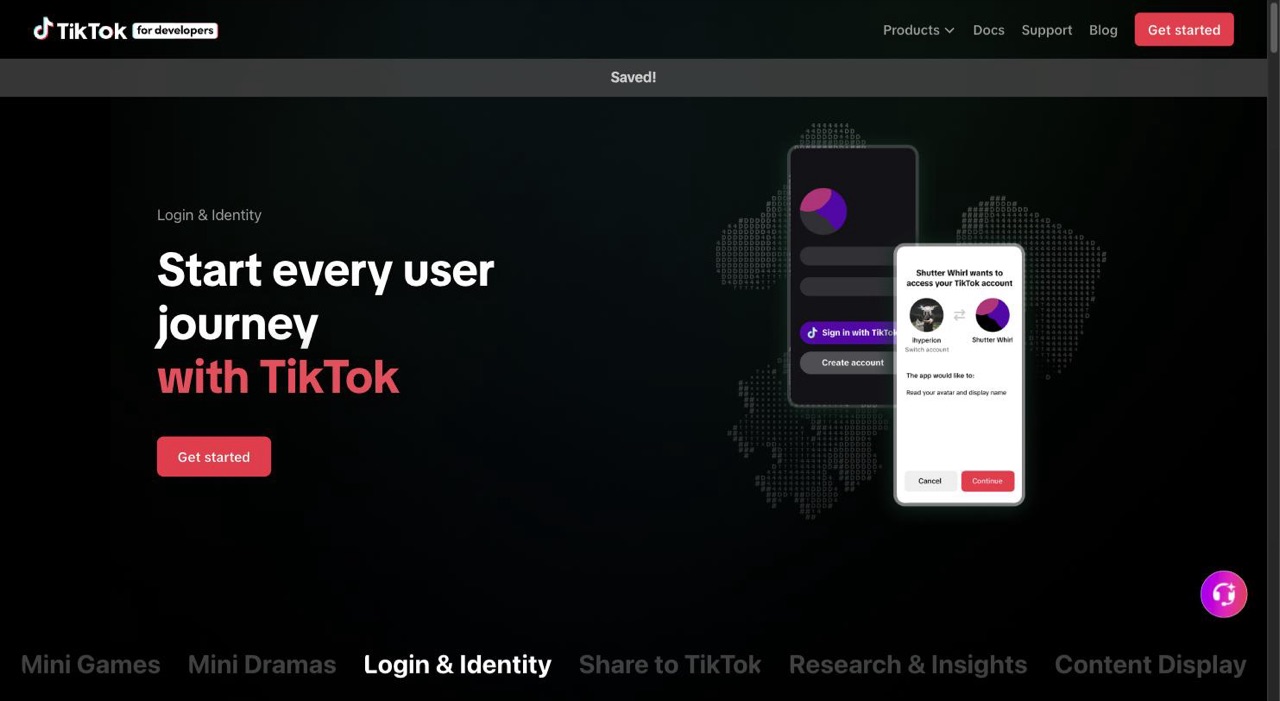
TikTok's native analytics are surface-level at best. Brands and creators managing serious volume need more: optimal post timing, virality signals, sound trend alerts, and conversion tracking for shoppable content.
The native analytics are basic. Brands and creators are desperate for an edge on the most important platform. A dedicated TikTok analytics tool doesn't compete with Hootsuite. It fills a gap Hootsuite doesn't even try to fill.
Who it's for: Managers for Gen Z-focused brands, short-form video creators, e-commerce accounts running TikTok Shop.
Core features: AI-predicted optimal posting windows, real-time analytics on retention and shares, caption/effect suggestions, trending sound alerts, shoppable link performance tracking.
Monetization: Freemium with a $19/month premium tier. Realistic $3K MRR in year one if you market in creator communities.
Build path: TikTok for Developers API, custom dashboard. Validate by posting in TikTok creator Facebook groups.
3. Content Repurposing Scheduler for Podcasts to Social
A podcast episode is 45 minutes of raw material. Most managers get maybe three posts out of it. A smart repurposing tool should extract 15.
Upload an episode, get AI-generated X threads, LinkedIn carousels, TikTok clips with auto-captions, and a newsletter summary, all pre-scheduled across platforms, all analytics-tracked by piece.
Short-form social media series dubbed "micro-dramas" are booming, with Deloitte predicting this new content format will bring in $7.8 billion in revenue in 2026. Podcast content, sliced right, feeds this format perfectly.
Who it's for: Podcast hosts, B2B thought leaders, any creator managing multi-platform distribution alone.
Core features: Audio-to-text transcription, AI key theme extraction, auto-generation of platform-specific formats, cross-platform scheduling calendar, per-piece engagement analytics, team collaboration mode.
Monetization: $29/month flat. Exit potential at $100K+ ARR for an acquisition target.
Build path: Whisper API for transcription + GPT-4 for content generation. Start with a Notion-based MVP to validate demand before writing code.
4. Engagement Predictor Analytics Dashboard
Post-mortem analytics are table stakes. The actual advantage is knowing before you post whether something will land.
This dashboard uses historical account data, industry benchmarks, and audience behavior patterns to score content before it goes live: predicted likes, share probability, comment volume. You schedule what's likely to perform, skip what isn't.
Who it's for: Small business social managers who need to show ROI and can't afford to waste posts.
Core features: Predictive scoring per draft post, platform data integration, predicted vs. actual performance charts, industry/demographic filters, auto-scheduling tied to high-score windows.
Monetization: $15–39/month tiered. Scalable to $10K MRR with agency upsells.
Build path: Python ML models trained on public social data + a clean React dashboard. No-code alternatives via Glide or Softr for the MVP layer.
5. Niche Audience Segmenter for Instagram Analytics
Instagram gives you demographics. It doesn't tell you that your eco-conscious millennial segment engages 3x better with behind-the-scenes content than product shots, but your Gen Z segment is the opposite.
This tool slices your audience into meaningful groups and creates tailored scheduling queues for each. Different content, different timing, same account, managed from one place.
Who it's for: Lifestyle brands, wellness businesses, anyone whose audience has genuinely distinct subgroups.
Core features: AI audience segmentation, per-segment scheduling queues, segment-specific analytics, niche trend alerts, CSV export for client reporting.
Monetization: $9/month starter, $19/month pro. Lower price point means faster adoption. Target $2K MRR in six months.
Build path: Instagram Graph API + k-means clustering for segmentation logic. Validate with Instagram managers on LinkedIn before building.
6. Automated Comment Responder with Sentiment Analytics
High-follower accounts get hundreds of comments per post. Reading all of them is impossible. Responding to none of them tanks your algorithmic reach.
AI tools are now table stakes, but authenticity is the differentiator. Audiences aren't rejecting AI tools; they're rejecting low-effort, uncurated output. This tool sits in the middle: AI flags high-priority comments by sentiment, drafts responses for human approval, and tracks whether response activity actually lifts your next post's reach.
Who it's for: Influencers, media brands, high-volume business accounts.
Core features: Sentiment scoring per comment, AI-drafted response templates, team approval workflows, comment-to-engagement correlation analytics, scheduling for response-triggered follow-up posts.
Monetization: $25/month. $4K MRR estimate with 160 active accounts.
Build path: Claude or GPT-4 for NLP + sentiment, platform APIs for comment ingestion. Test messaging with community managers on Slack groups.
7. Real-Time Trend Spotter and Scheduler
By the time you see a trend on Twitter and write a post about it, it's already slowing down. The brands winning in 2026 are the ones reacting within the hour.
This tool monitors niche trend signals in tech, beauty, finance or wherever your client lives, and auto-drafts reactive posts the moment a topic starts spiking. You approve, it posts. Analytics follow automatically.
Speed is non-negotiable in 2026. Brands are expected to respond to cultural happenings almost instantly, as algorithmic shifts reward the sameness of content in the wake of a viral moment.
Who it's for: Agile social managers in fast-moving industries. Especially valuable for news-adjacent brands.
Core features: Real-time niche trend detection from platform APIs, auto-drafted post suggestions, one-click approve-and-schedule, post-trend performance analytics, custom niche keyword filters.
Monetization: $19/month. High retention because the value is felt daily.
Build path: Social listening APIs (Twitter/X firehose, Reddit PRAW) + GPT drafting layer. Validate by posting the concept on r/entrepreneur.
8. Collaborative Team Scheduler with Shared Analytics
Agencies managing 10+ client accounts in a shared spreadsheet is still happening in 2026. It shouldn't be.
This is a team-first scheduler: shared calendars, client-specific analytics views, approval workflows, AI-suggested edits, and performance reports that are actually client-ready without three hours of formatting.
Who it's for: Social media agencies and in-house teams with multiple stakeholders.
Core features: Real-time shared calendar with role permissions, client-gated analytics views, multi-step approval workflows, AI edit suggestions per brand voice, exportable performance summaries.
Monetization: $39/month per team. $7K MRR at 180 teams, a genuine target for an agency-focused tool with good word-of-mouth.
Build path: Build on top of an existing calendar framework, add Slack integration for approval notifications. Sell via agency owner communities on Facebook and LinkedIn.
9. E-Commerce Link Scheduler with Conversion Analytics
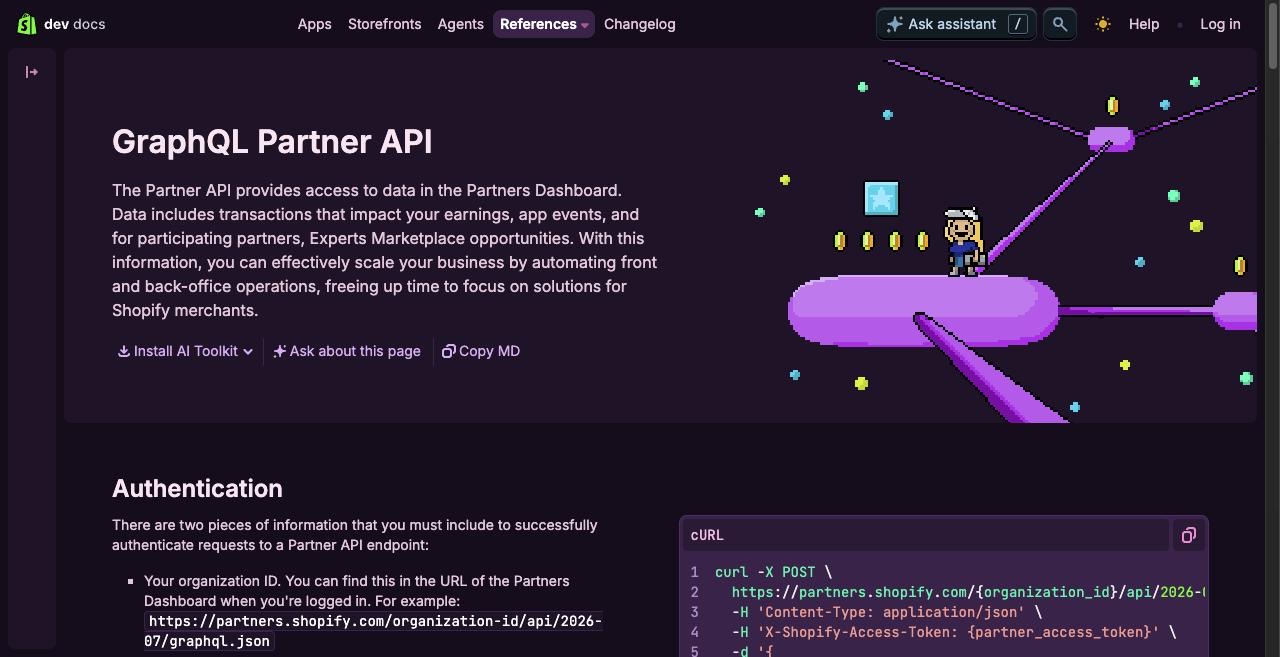
Posting shoppable content without tracking what actually converts is just guessing with extra steps.
This tool connects to Shopify (or any major e-commerce platform), schedules shoppable posts across Instagram, TikTok, and Pinterest, runs A/B tests on timing and creative, and produces clear ROI reports: revenue attributed to specific posts, by platform.
Who it's for: E-commerce brand managers who report to someone who cares about actual sales, not just likes.
Core features: Shopify/WooCommerce integration, cross-platform shoppable scheduling, A/B test framework for post timing, conversion and revenue attribution, ROI reporting dashboard.
Monetization: $29/month. E-commerce brands will pay for clear revenue attribution. This category has strong willingness to pay.
Build path: Shopify Partner API + platform APIs. Sell directly in Shopify's app store for distribution without a marketing budget.
10. Burnout Analytics and Optimal Scheduling App
This one's for the solo managers and small teams running on caffeine and guilt.
The tool analyzes your posting history for burnout signals (erratic scheduling, quality drops, volume spikes followed by silence) and recommends a sustainable content cadence. It ties workload management directly to performance analytics, so you can see that posting 4x/week at your best beats posting 7x/week burned out.
Gen Alpha is driving an "unplugging" movement, and the dominant emotional drivers across demographics in 2026 are "cozy" and "calming" vibes. A tool that helps managers model that energy from the inside out isn't just wellness fluff. It's strategy.
Who it's for: Freelance social managers, small teams without dedicated ops support.
Core features: Burnout detection via historical activity patterns, AI-recommended sustainable scheduling, post quality analytics correlated to workload, weekly "health reports," unplug reminders.
Monetization: $15/month. Smaller revenue ceiling but very high retention. People who find sustainable rhythms don't churn.
Build path: Activity pattern analysis in Python + a simple React dashboard. Validate by asking freelance managers on Twitter/X what's actually hard about their work.
The Actual Opportunity Here
Every one of these ideas shares the same logic: the big tools do everything, which means they do nothing exceptionally. The market is there. General social media tools are everywhere, but many specific industries are still deeply underserved. Niche tools succeed by providing superior, purpose-built features that a one-size-fits-all solution simply can't match.
You don't need to build all ten. You need to find the one pain point you understand better than anyone else, ship a version that solves it, and talk to users before you write the second line of code.
Start in the communities where your target user already complains: Reddit, Slack groups, LinkedIn comments. If you see the same frustration show up more than five times, you have validation. Build the smallest possible version, charge from day one, and iterate from there.
Which of these is the problem you've lived firsthand? That's the one worth building.
Ready to start?
Don't forget to validate your idea first. And when you're ready to launch, check out our guide on launching a SaaS in 2026 and the SaaS directories ranked by DR.
Get your SaaS in front of founders
List your product on the SaaSCity live city map - a permanent listing, real discovery, and a backlink from a high-DR directory. Free to start; upgrade for a dofollow link and a building on the map.