AI
Claude Code Project Ideas: 15 Builds With Copy-Paste Prompts (Beginner → Advanced)
Fifteen things actually worth building with Claude Code, sorted from first-weekend-easy to ship-it-as-a-product, each with a real starter prompt you can paste in right now. Plus real projects people already shipped.

Contents (7)
Quick answer: Good Claude Code project ideas come in three tiers. Beginner builds run locally with no API keys: a single-page personal site, a single-file expense tracker on localStorage, a Python photo renamer, a markdown-to-PDF resume tool, a CLI habit tracker. Intermediate builds add APIs, SQLite, and deployment: an RSS digest, a URL shortener with click analytics, a git-log changelog generator, a Discord summarizer bot, a CSV finance dashboard. Advanced builds are real systems: a SaaS starter with Stripe, an MCP server, a multi-agent research pipeline, self-updating architecture docs, a Claude Code skill.
Most "project ideas" lists are just nouns: todo app, weather app, chatbot. Useless. The hard part was never picking an idea — it's the cold-start blank terminal.
So this list does the opposite. Fifteen builds sorted by how much you'll fight your environment, and each one comes with a copy-paste first prompt that gets you to a running thing fast. Start one, get it working, then keep talking to Claude Code to extend it.
Brand new to Claude Code? Get it installed and learn the core loop first with the beginner's setup guide, then come back and pick an idea.
A note on the prompts: they're specific on purpose. The single biggest mistake people make is asking for "an app" and getting a sprawling, half-broken scaffold. Ask for one runnable slice first, review it, then iterate. Every prompt below is written to do exactly that.
Key Takeaways
- Three difficulty tiers: Fifteen builds sorted by how much you fight your environment: five beginner, five intermediate, five advanced.
- Every idea ships with a prompt: Each build includes a copy-paste first prompt written to produce one runnable slice, not a sprawling scaffold.
- Beginner tier needs no accounts: Personal site, expense tracker, photo renamer, markdown resume, and CLI habit tracker all run locally with no API keys.
- Intermediate tier adds real infrastructure: RSS digest, URL shortener on SQLite, git changelog generator, Discord bot, and CSV finance dashboard reach outside your machine.
- Advanced tier is product work: SaaS starter with email auth and Stripe, an MCP server, a multi-agent research pipeline, self-updating docs, and a Claude Code skill.
- Shipped examples exist: Builders have launched a Reddit analyzer over 500 subreddits and 50,000 posts, ERPClaw, Tailtest, a PHP Reddit API client, and SiteKit.
- Narrow scope wins: The common thread across shipped projects is tight scope and repeated iteration rather than one giant prompt.
🟢 Beginner — local, no setup, no API keys
These run entirely on your machine. No accounts, no deploys, nothing to break. Finish two before you move up.
1. Personal site you'd actually send someone
Build a single-page personal site in plain HTML and CSS (no framework, no build step).
Sections: hero with my name and one line, three projects, a short about, and contact links.
Clean, fast, responsive, dark mode by default. Give me one finished index.html I can open
in a browser right now. Then we'll tweak the copy.
2. Expense tracker that lives in one file
Build a single-file expense tracker in HTML/CSS/JS that stores data in localStorage.
I can add an expense (amount, category, date), see a running monthly total, and filter by
category. No build step, no backend. Start with a working version, then we'll add a chart.
3. Photo organizer / batch renamer
Write a Python script that takes a folder of photos and renames them to
YYYY-MM-DD-description.jpg using each file's EXIF date, then sorts them into per-month
folders. Show me a dry-run preview first and ask for confirmation before moving anything.
4. Markdown → polished PDF resume
Build a tiny tool that turns a markdown resume into a clean, print-ready PDF. Plain HTML +
CSS print styles, one command to generate. Give me a sample resume.md and the generator.
5. CLI habit tracker
Write a single-file Python CLI habit tracker. Commands: add a habit, check one off for
today, and show a 7-day streak grid in the terminal. Store state in a local JSON file.
Keep it under 150 lines and easy to read.
🟡 Intermediate — APIs, databases, deploy
Now you reach outside your machine: fetch data, call an AI model, store things, put it online.
6. Daily digest app
Build a digest app that fetches new items from a list of RSS feeds I provide, uses an AI
API to summarize each in 2–3 sentences, groups them by topic, and renders a clean static
page I can read over coffee. Start with feed-fetching + a plain HTML output, then we'll add
the summaries.
7. URL shortener with click analytics
Build a URL shortener: paste a long URL, get a short code, and track click counts and
referrers per link. Use a small SQLite database and a minimal web UI. Give me a runnable
local version first, then we'll talk deployment.
8. AI changelog generator from git history
Write a tool that reads my git log between two tags and drafts a human-readable changelog
grouped into Features / Fixes / Chores, using an AI API to rewrite commit messages into
plain English. Output markdown. Let me review before it writes the file.
9. A Telegram or Discord bot that does one useful thing
Build a Discord bot that, when I post a URL, replies with a 3-bullet summary of the page.
Walk me through creating the bot token, then give me the smallest working version. Keep
secrets in a .env file, never in the code.
10. Personal finance dashboard
Build a dashboard that reads a CSV bank export and shows monthly spending by category, a
trend line, and my top merchants. Use a lightweight chart library. Start with parsing +
one chart, then we'll add the rest.
🔴 Advanced — systems that grow with you
Real products and real infrastructure. Expect to spend more than a weekend, and to lean on Claude Code for architecture, not just code.
11. A full-stack SaaS starter you actually understand
Scaffold a minimal SaaS starter: email auth, a Postgres schema for users and projects,
Stripe checkout for one paid plan, and a protected dashboard. Build it one layer at a time
— auth first, working and tested, before we touch billing. Explain each layer as you go.
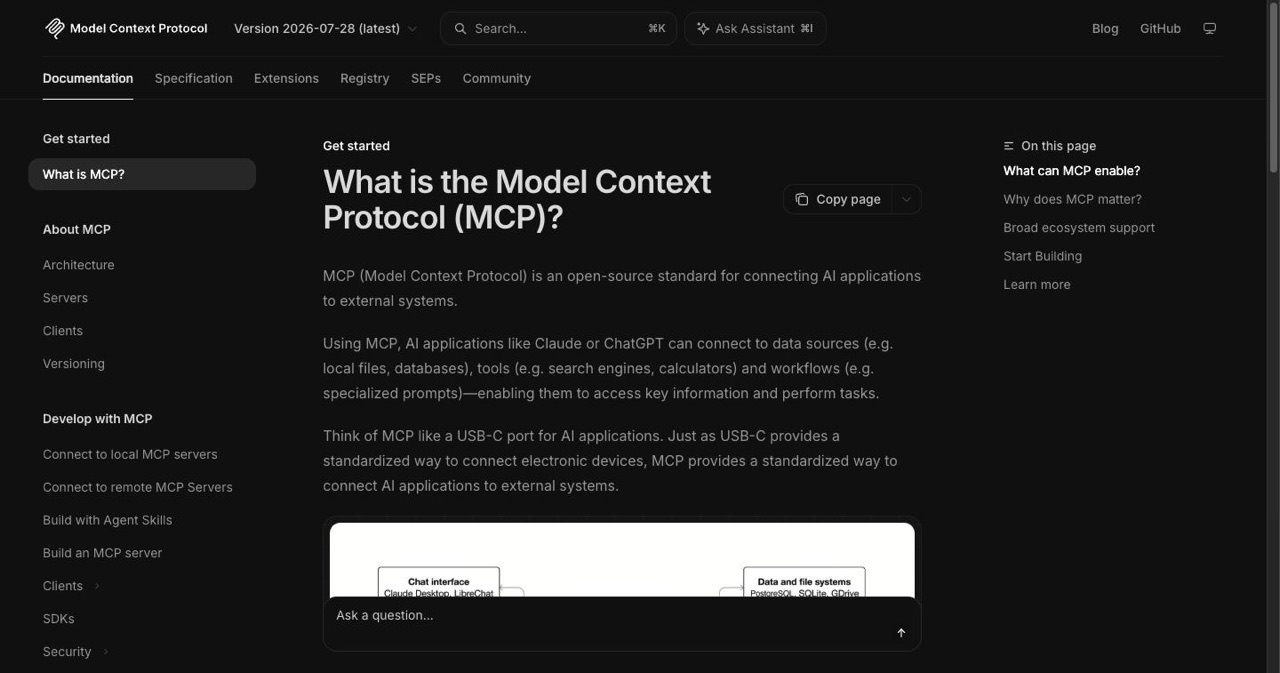
12. An MCP server that connects Claude to your own tool
Build a Model Context Protocol (MCP) server that exposes my [tool/API] to Claude as a set
of callable tools. Start with one read-only tool and a working local connection I can test,
then we'll add the rest. Include clear setup instructions.
13. A multi-agent research pipeline
Build a research pipeline: given a question, it runs several web searches, reads the top
results, cross-checks claims, and outputs a cited summary that flags where sources disagree.
Start with a single-search version end to end, then we'll add the fan-out and verification.
14. Self-updating internal docs from your codebase
Build a tool that scans my repo and generates an up-to-date architecture doc: the main
modules, how they connect, and the key entry points. Re-runnable so it stays current.
Start with the dependency map, then the prose.
15. A Claude Code skill or plugin
Help me build a Claude Code skill that runs automatically after every file write to generate
and run a relevant test for the changed code. Start with the trigger + a single test case,
then we'll expand coverage. Explain the skill manifest as we go.
Real projects people already shipped
Proof this isn't hypothetical. Builders have shipped, with Claude Code:
- A Reddit pattern analyzer that processed 500 subreddits and 50,000 top posts to reverse-engineer what actually gets traction (Indie Hackers).
- ERPClaw — a full AI-native ERP (accounting, invoicing, payroll) built on an open agent platform.
- Tailtest — a Claude Code plugin that auto-generates and runs a test every time a file is written.
- A PHP Reddit API client that picked up real production users in the PHP community, and SiteKit, a site builder.
- A pack of indie-hacker skills: a pre-deploy shipping checklist, a launch-thread writer, a support-reply drafter (DEV).
The pattern across all of them: a sharp, narrow scope and relentless iteration — not one giant prompt.
Shipped something? Put it where people look
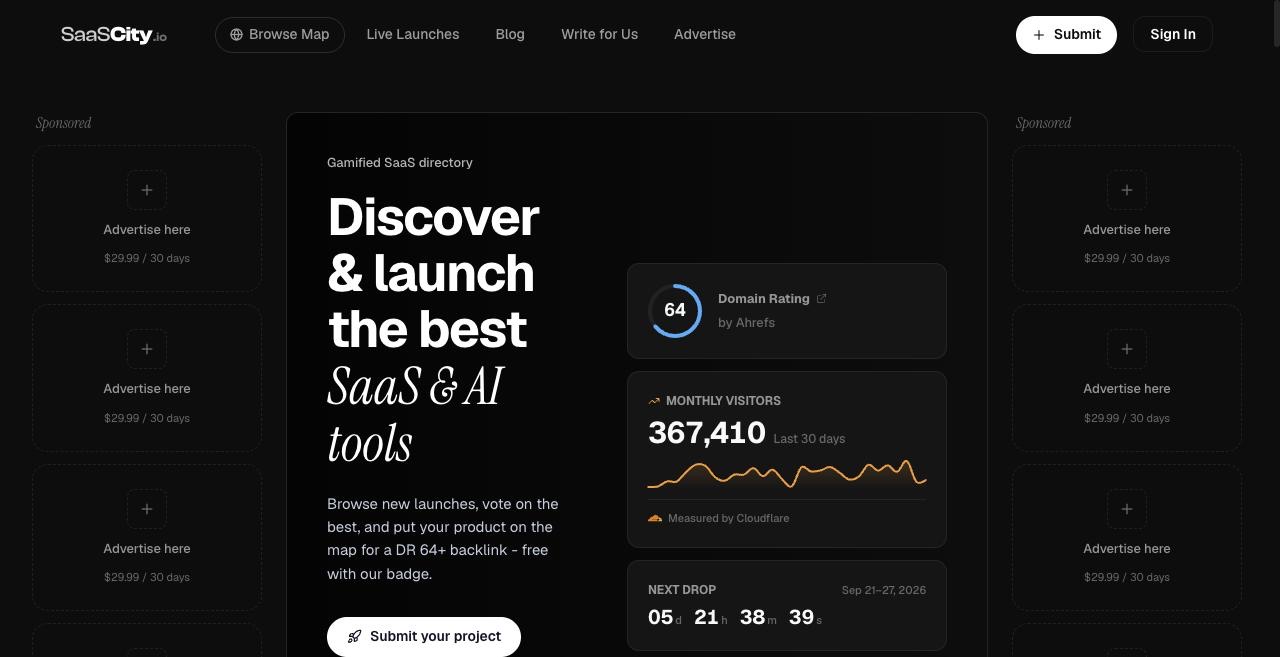
The difference between a weekend project and a product other people use is distribution. When you've built one of these:
- List it free on SaaSCity — a real product page, a backlink, and exposure to other builders, in about two minutes.
- See what's possible: the wildest Claude Code projects going viral are a good gut-check for how far people are pushing it.
- Ready to ship for real? The Claude Code projects hub covers production project structure and how builders actually ship real apps.
- New to this whole way of building? Start with the vibe coding guide.
Pick one idea above, paste the prompt, and have something running tonight. The blank terminal is the only hard part, and you just skipped it.
FAQ
What should I build first with Claude Code? A local project with no setup — a personal site, expense tracker, or photo organizer. You learn the core loop without fighting deployment or auth. Finish two before moving to APIs and databases.
Do I need to know how to code? For the beginner tier, no. As you move up to APIs and full-stack apps, you don't have to write the code, but understanding what it does makes you far better at reviewing and steering it.
What's a good starter prompt? Be specific about the deliverable, stack, and constraints, and ask for one runnable slice first — then iterate. Every prompt in this post is written that way.
Where can I share what I built? List it free on SaaSCity and post a launch on a Product Hunt alternative. Projects that get traction show up in more than one place.
Get your SaaS in front of founders
List your product on the SaaSCity live city map - a permanent listing, real discovery, and a backlink from a high-DR directory. Free to start; upgrade for a dofollow link and a building on the map.