Launch & Growth
How to Launch an AI Product: The Distribution Blueprint That Outlasts Launch Day
Chatbase got its first paying customer 30 minutes after a demo tweet to 16 followers, and the channels that came after the tweet are what turned it into a company. This blueprint covers the channels that bring an AI product its first users fastest, a 28-day plan for launch day, and the directory listings that still send people in month three.

Contents (9)
- Key takeaways
- What launching an AI product means in 2026
- What channels deliver the fastest initial users for an AI startup?
- How should an AI founder prepare for a public launch day?
- What role do directory listings play in sustaining growth after launch?
- A 14-day public launch sequence
- What to skip
- Get listed before launch week
- FAQ
Quick answer: Treat an AI product launch as a four-week sequence with one big day in it. First users come from people you know and one niche community. Pick one public surface: Product Hunt for a general AI tool, Show HN for a developer tool. Submit to AI directories two to three weeks early, and keep posting after the spike.
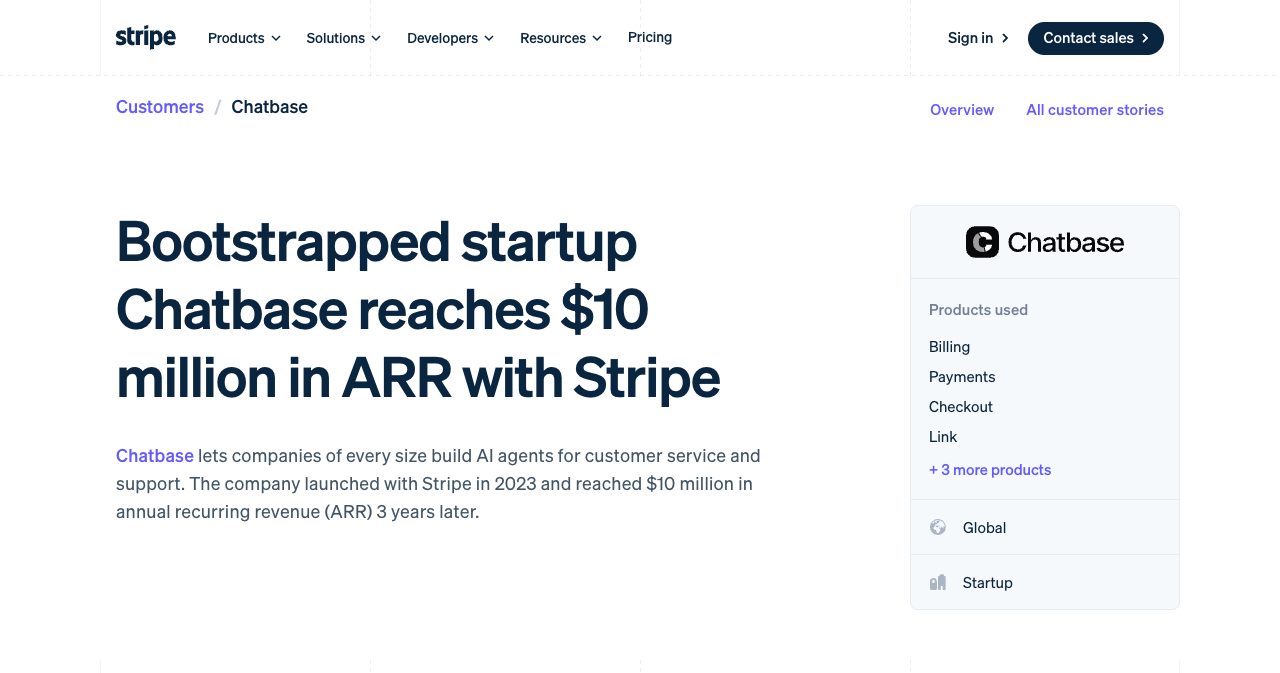
On February 4, 2023, Yasser Elsaid launched Chatbase to his 16 followers on X. According to Stripe's customer story, the first paying customer arrived 30 minutes after he posted the demo. By May 13 the product was at $64,000 in monthly recurring revenue, Indie Hackers reported, and Elsaid says it passed $1M in ARR about five months in. His interviews put that at 117 days. There was no ad budget at launch. Paid ads came later, by his own account.
The tweet started it. Subreddits, Indie Hackers, AI directories and Product Hunt kept it going, and Chatbase crossed $8M in ARR in December 2025 and $10M in 2026 without raising venture money. Most AI tools launched this year get the first part, a post and a small spike, and skip the rest. This guide covers the rest: the channels that bring first users fastest, a 28-day plan for launch day, and the listings that still send people in month three.
One caveat before you copy the story. Early 2023 was an easier time to get attention for an AI product. A clear one-action demo (upload a PDF, ask it a question) still travels in 2026. A post announcing another GPT wrapper mostly doesn't.
A note on bias: you are reading this on a launch directory's blog. I run SaaSCity, which lists SaaS and AI products on a live city map, so weigh the directory sections with that in mind. I'll say where a SaaSCity listing helps and where There's An AI For That, Product Hunt or a subreddit will do more for you.
Key takeaways
- Start the launch four weeks before the public post. Launch day spends attention you collected earlier.
- The fastest first users come from warm contacts, a niche subreddit, Show HN for technical products and a prepared Product Hunt day.
- Submit to AI directories two to three weeks before launch day, because review queues are slow.
- Launch boards give you a spike of 48 to 72 hours. Directories, comparison pages and one consistent product description keep you findable after it.
- Use the same one-line description, category and pricing everywhere, so search engines and AI assistants describe your product the same way.
What launching an AI product means in 2026
Launching an AI product in 2026 means running a four-week distribution sequence. Fast channels like a niche community, a Show HN post or a prepared Product Hunt day bring the first users. Directory listings, comparison pages and one consistent product description keep the product findable after the 48-hour spike ends.
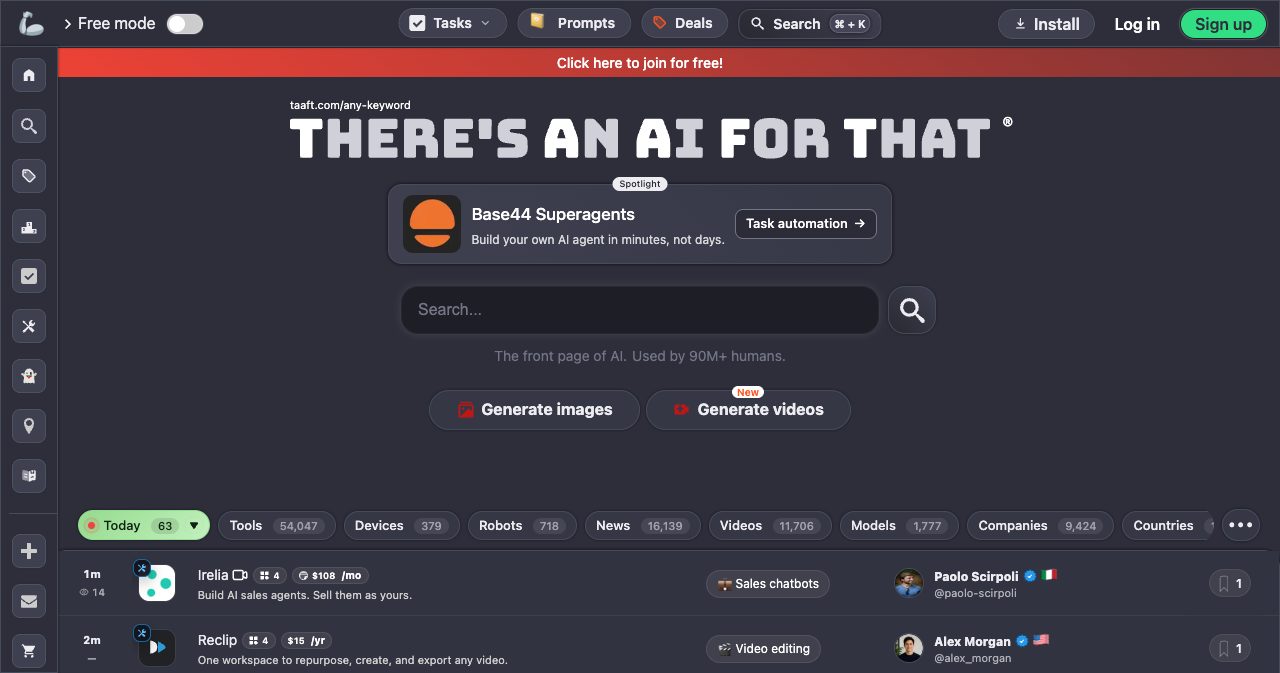
Building got cheap. A small team can ship a working AI tool in a weekend, and so can everyone else. There's An AI For That, the largest AI directory, showed 63 new listings for the day when I took the screenshot below on October 6, and it counts 54,047 tools in total. A product described as "AI-powered productivity" disappears in a list like that.
That puts most of the work in distribution. In a November 2025 guest post on Lenny's Newsletter, Emily Kramer argues that ecosystems are the next big growth channel, with Supabase, Lovable, Clay and Vercel as examples, and writes that Gamma attributes over half its growth to influencers. Gamma's CEO, Grant Lee, gives a more detailed split: the first $10M in ARR was almost all word of mouth, and from $10M to $50M word of mouth was still more than half, with influencers, affiliates and referrals making up the rest.
You need two playbooks. Launch channels get you to roughly your first hundred users. After that they stop working, and a lot of AI apps stall there because the founder runs the launch playbook a second time. What works next is slower: SEO and content, referrals, integrations and a weekly habit of building in public.
Which launch channels to start with depends on who buys:
- Developer tools: Show HN, good docs and a Discord or GitHub community.
- Tools for one job, such as writing, design or support: niche subreddits, AI directories and Product Hunt.
- Tools that teams buy: G2, Capterra and the founder's LinkedIn. A Product Hunt badge does little for a procurement team.
What channels deliver the fastest initial users for an AI startup?
The fastest first users come from places where people already discuss the problem. A niche subreddit can bring 20 to 100 signups in one to three days, a front-page Show HN 50 to 200, and a prepared Product Hunt launch 100 to 500. Directories and building in public on X are slower, but they keep adding users after the first week.
Channels ranked by speed
The ranges come from HumanAds' March 2026 playbook for an AI product's first 100 users, except the first row. Read them as estimates. HumanAds sells sponsored posts, its Product Hunt range assumes a top 10 finish, and its Hacker News range assumes the front page. None of these are SaaSCity measurements.
| Channel | How fast | Signups (estimate) | Cost | When to use it |
|---|---|---|---|---|
| Warm DMs and beta users | Hours | Whoever is on your list | Free | Before any public post |
| Niche subreddits | 1-3 days | 20-100 | Free | Subreddits about the problem, not about AI |
| Show HN | Same day | 50-200 on the front page | Free | Developer tools and technical products |
| Product Hunt | Launch day | 100-500 with a top 10 finish | Free, 10-20 hours of prep | Once you have a list and a demo |
| Sponsored posts by small creators | 2-5 days | 15-100 | $25-$100 | When a creator can show the workflow |
| Building in public on X | 2-4 weeks | 15-40 a month | Free | Always, underneath every other channel |
| AI directories | Weeks, then monthly | 10-100 a month | Free, or $49-$99 for the big catalogs | Start 2-3 weeks before launch day |
Reddit: post where the problem lives
Reddit works when your post answers a question someone already asked, or tells a specific "I built this because" story. r/SideProject and r/SaaS are fine for builders, but your buyers are more likely in job subreddits such as r/copywriting, r/webdev or r/freelanceWriters. r/artificial and r/MachineLearning ignore launch posts. Read each subreddit's self-promotion rule before you post. We keep a list of 40+ founder and buyer subreddits with their weekly visitors and those rules.
Show HN: only for something people can try
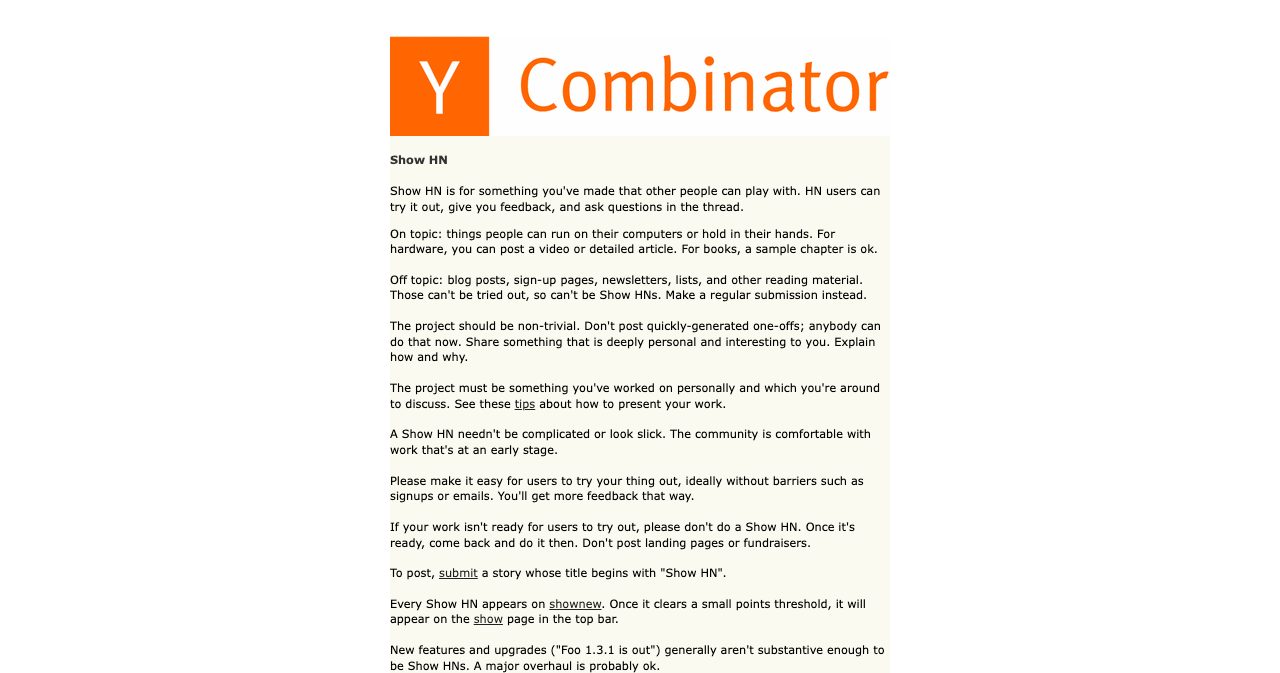
Hacker News rewards a narrow technical product and is hard on anything that looks like a thin wrapper. The Show HN guidelines say a Show HN is for something you made that other people can play with, and a newer line reads: "Don't post quickly-generated one-offs; anybody can do that now." They ask you to let people try the product without a signup where you can, and they forbid asking friends to upvote or comment.
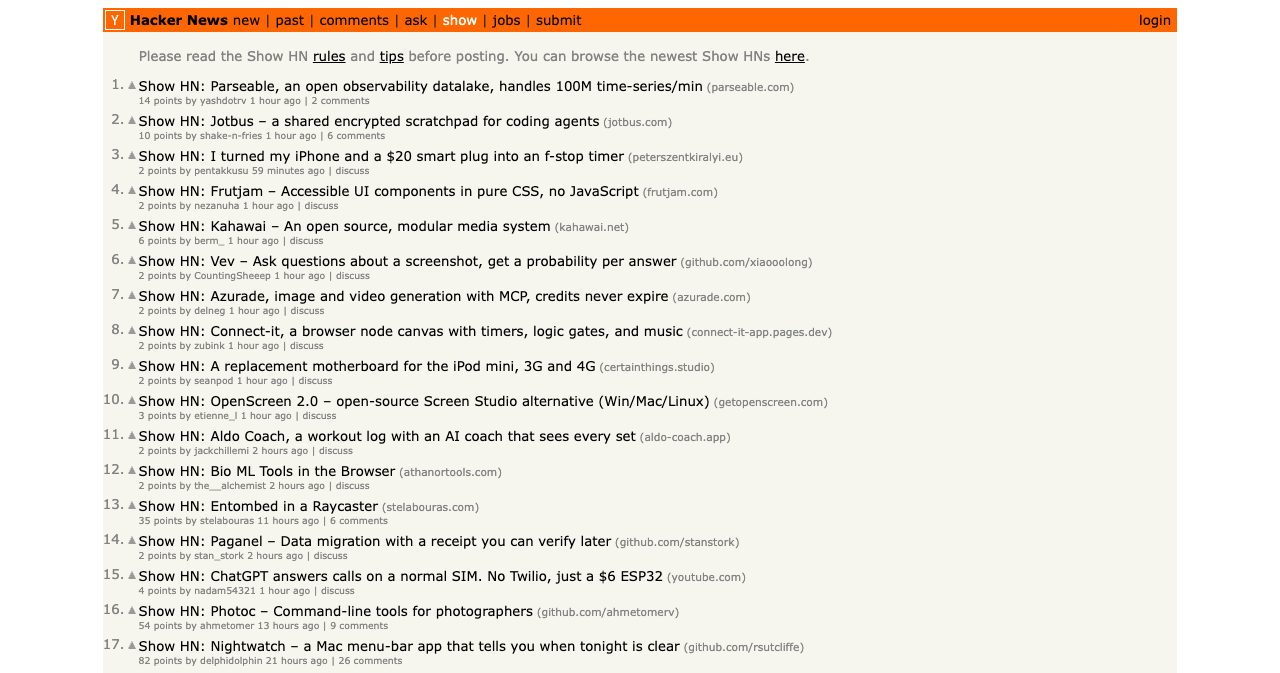
Start the title with Show HN: and say what the product does in plain English. I'd post on a weekday morning, US Eastern time, on a day when you can stay in the thread for hours and answer every technical question, the hostile ones included.
Product Hunt: crowded, and still the biggest board
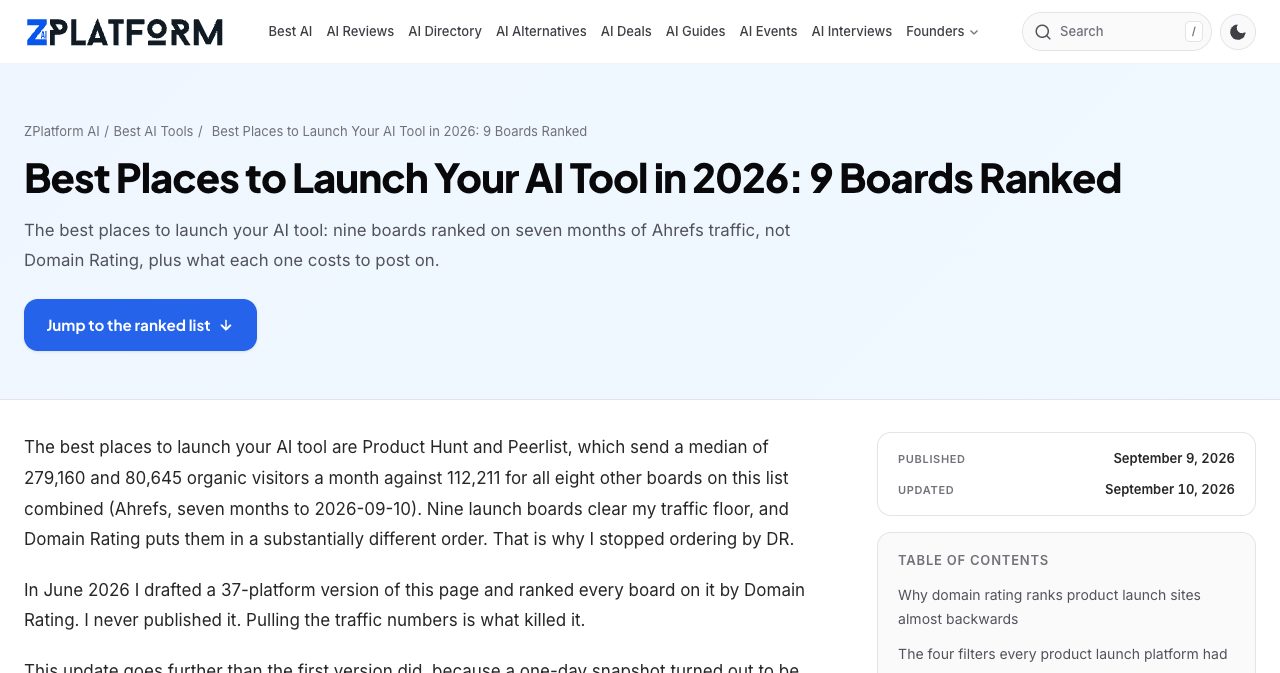
Product Hunt is crowded with AI tools, and it is still the launch board with the most traffic by a wide margin. zPlatform's September 2026 ranking puts its median at 279,160 organic visits a month in Ahrefs, against 80,645 for Peerlist, the next board on the list. Those figures measure search traffic to the boards themselves. They don't tell you how many visitors one launch sends to you.
Shilika Jain's four-week Product Hunt checklist from October 2026 sets the supporter list at 200 to 500 people and is blunt about the limit: launch traffic doesn't last past roughly 48 to 72 hours. When people say Product Hunt is dead, they usually mean the spike is short. Plan for it as day one of a longer sequence.
X: the layer under every spike
Building in public on X brings people in slowly, and it builds the audience that every later launch day draws on. Louis Pereira built AudioPen, which turns messy voice notes into clean text, during a 12-hour #HalfDayBuild in March 2023 and posted the build as he went. Stride's write-up says he had paying users before the public launch. Then an account with nearly 200,000 followers wrote a thread about the tool, and AudioPen made $73,000 in its first two months.
Chatbase's 16-follower tweet worked for the same reason AudioPen's thread did. The demo was one action: upload a PDF and ask it a question. If your demo needs a paragraph of setup, fix the demo before you post.
Integrations, and the audience to avoid
Integrations take longer to set up, and they reach buyers who already have the problem. Chatbase shipped a native Shopify integration in February 2026, which puts it in front of store owners inside a tool they use every day. App marketplaces review listings before they go live, so start that process early.
Unless you built a developer tool, don't market only to other AI builders. Likes from indie hackers feel good, and they rarely turn into customers.
How should an AI founder prepare for a public launch day?
Set the date 28 days out. Freeze a one-sentence use case, ship a 60 to 90 second demo, build a list of 200 to 500 people who have already seen the product, and submit to directories early so review queues don't eat the spike. Go live at 12:01 a.m. Pacific, post the maker comment immediately and reply to every comment for 24 hours.
The 28-day prep checklist
- 28 days out, choose one public launch surface. Product Hunt suits a general or prosumer AI tool, and Show HN suits a developer tool. Don't bet the company on either.
- 28 to 14 days out, freeze the use case in one sentence a stranger can repeat. "AI-powered productivity" fails that test. "Turn messy voice notes into clean text" (AudioPen) and "Chat with your PDF" (Chatbase) pass it. Test the sentence on 10 to 20 target users and ask them to show up on launch day; several will.
- 21 days out, make the assets. Write a tagline under 60 characters that says what the product does. Make a thumbnail that reads at small size, animated only if the motion is the product, and 4 to 6 gallery images that lead with output. Record a 60 to 90 second demo with the product on screen in the first five seconds and no logo intro. Put pricing on the page and offer a free tier or a demo without signup. AI products that hide the output lose the click.
- 21 to 14 days out, build a list of 200 to 500 people: beta users, the waitlist, newsletter readers, investors and friendly founders. Ask 5 to 10 of them for a real comment about how they use the product. Product Hunt's launch guide says you cannot ask people directly to upvote, so ask them to visit and comment instead.
- 21 to 7 days out, submit to directories. Reviews take days to weeks, and a listing that goes live after launch week misses the searches it was meant to catch. The order I'd use is further down.
- 7 days out, set up tracking and audit the homepage. You need a landing page variant with the offer above the fold, a UTM link for each channel, analytics such as PostHog and an onboarding email. Check that the homepage has HTTPS, a title, a meta description, an og:image, a canonical tag and a sitemap.
- 1 day out, draft the maker comment: why you built the product, who it is for and what is unfinished. Schedule the Product Hunt post for 12:01 a.m. Pacific, which Product Hunt's launch preparation page recommends because its day runs on Pacific time.
- On launch day, post the maker comment as soon as you go live and reply to every comment within the hour for the first 24 hours.
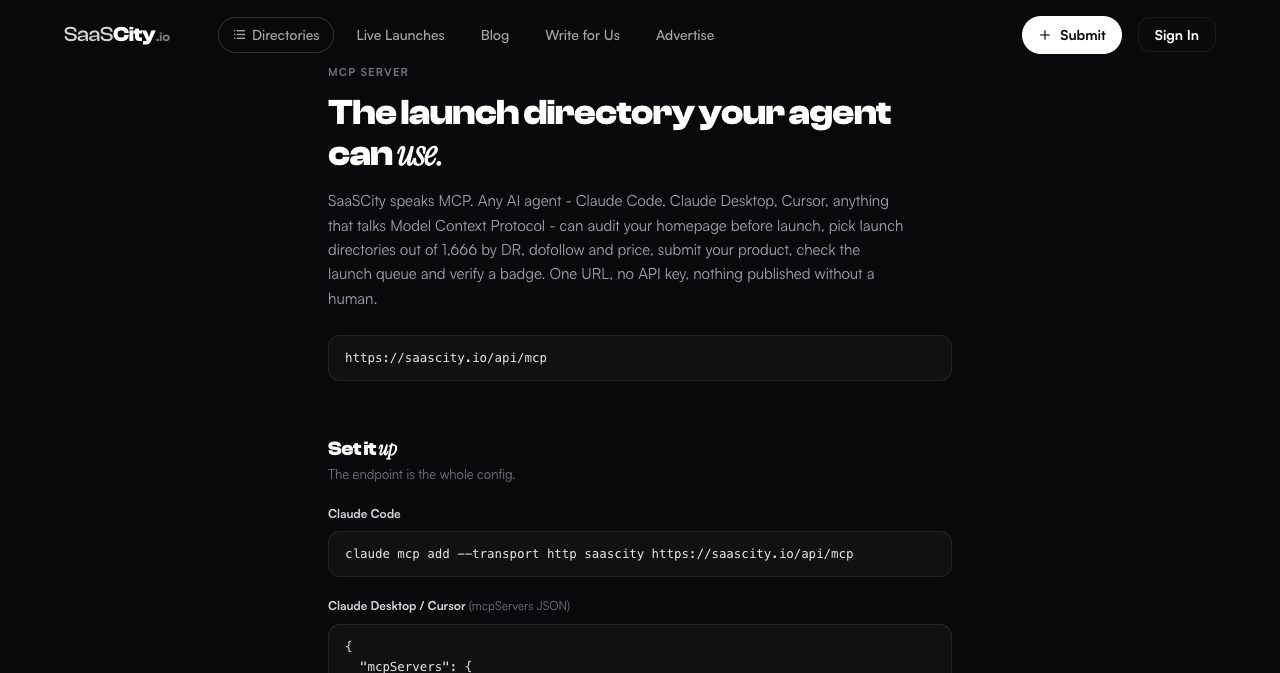
If you work with Claude Code, Cursor or another MCP client, SaaSCity's free MCP server can run the homepage audit in step 6 for you. Its check_launch_readiness tool reads your homepage's static HTML the way directory scrapers and link-preview bots do, then returns a score from 0 to 100 with a fix for every problem, including a homepage that is empty without JavaScript. It needs no API key:
claude mcp add --transport http saascity https://saascity.io/api/mcp
Launch-day clock, Pacific time
- 12:01 a.m.: go live and post the maker comment.
- 12:05 to 1:00 a.m.: send personal notes to your supporter list. Skip the "please upvote" template, since Product Hunt doesn't allow it.
- Overnight and morning: reply to every comment within the hour.
- 6:00 to 8:00 a.m.: email the full list once, and post the demo video on X and LinkedIn. Save the badge for the recap.
- 8:00 a.m. to 4:00 p.m.: US peak hours. Make your second push a useful comment or a customer result, because a repost of the announcement adds nothing.
- Keep Show HN for day two or three, so you can answer both threads properly.
Pick a Tuesday, Wednesday or Thursday if you want the most eyes, and accept that those days are also the most competitive. Product Hunt's featuring guidelines say its team reviews launches for being useful, novel, well crafted and creative, and that engagement is one factor among several. A good product with an honest maker comment has a real chance on a busy day.
The week after, which most guides skip
- Email every new signup within 48 hours, from the founder's own address.
- Tag Product Hunt and Hacker News signups, and watch their activation separately for 30 days. A spike that doesn't activate points to a positioning problem.
- Thank commenters by name. Ship one fix someone asked for and say so in public.
- Post a recap with numbers on Indie Hackers and LinkedIn: visits, signups and what broke.
- A week later, ask your happiest users for a Product Hunt or G2 review.
A strong Product Hunt day can bring a few thousand early-adopter visits, a badge, a page that ranks for your brand name and blunt feedback. It won't find you an enterprise buyer or replace press coverage, and it won't send much traffic after the first 48 to 72 hours.
What role do directory listings play in sustaining growth after launch?
Directory listings are the slow channel that outlasts launch day. People search AI directories by task, such as "AI tool to clean up voice notes", so a categorized listing keeps sending visitors after Product Hunt goes quiet. The same pages are third-party mentions that AI answer engines can cite. Ten relevant listings beat a hundred empty ones.
Launch boards spike, directories stay
Product Hunt and Show HN give you a spike. There's An AI For That, Toolify, Futurepedia, Future Tools, AlternativeTo, G2 and startup directories like SaaSCity stay up and keep collecting searches month after month. Stride's distribution guide recommends submitting to 20 to 30 directories over a few weeks, starting with There's An AI For That and Toolify, and notes that niche directories in your category often convert better than broad ones.
Prices have changed. Most big AI catalogs now charge a review fee, and many free ones want a link back. From the directories we track:
- There's An AI For That is the largest catalog, with 54,000+ tools across 10,796 tasks. There is no free route: a website-only listing costs $49, and the "Use tool" link is followed.
- Toolify costs $99, goes live within two days and gives a followed link.
- ToolPilot and ShowMeBest list you for free with a followed link. ToolPilot asks for a link back.
- AlternativeTo is nofollow, and it collects "X alternative" searches, which come from buyers comparing tools.
- G2 and Capterra are nofollow and slow to build up, and they matter when teams buy your product. They sit with the other review sites in our SaaS directory list.
The full list is on our AI directories page: 371 AI directories, each with its Domain Rating, link type and price. 246 have a confirmed dofollow link, 89 are free and dofollow, and 15 have a DR of 70 or higher.
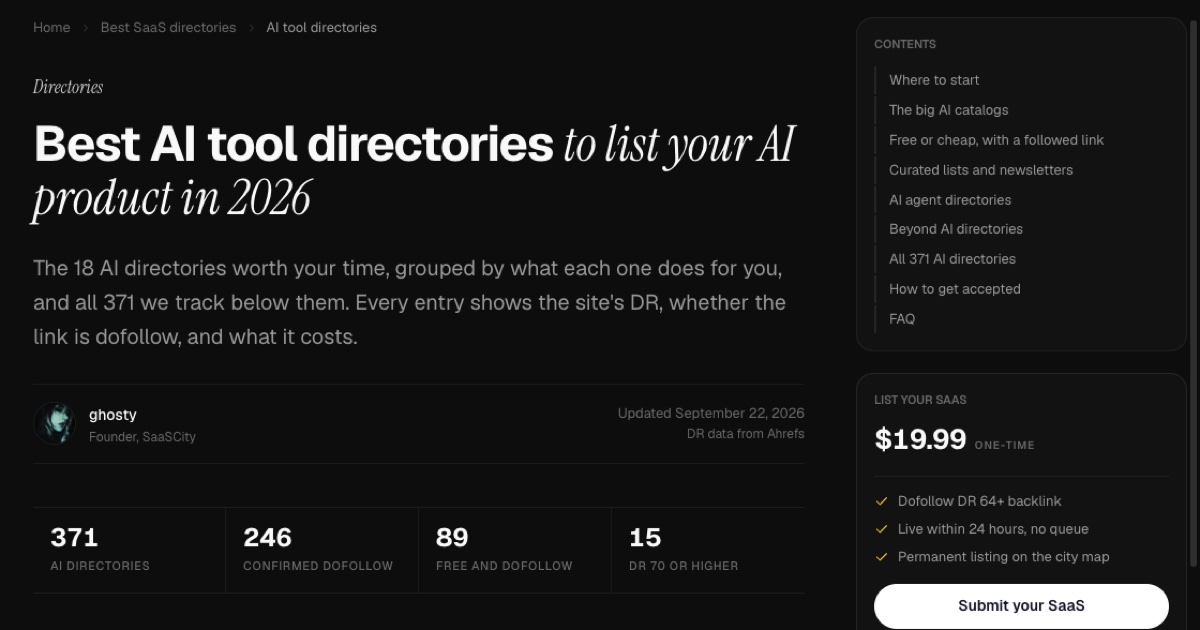
On SaaSCity, every listing gets a human review and a permanent indexed page, and free listings launch on a Monday. Add the SaaSCity badge to your site and you also get a dofollow link from a domain with an Ahrefs DR of 66 (October 2026) and a building on the city map. If you can't add a badge, or the free queue would miss your launch week, Quick Pass gives you the same followed link for $19.99, paid once, and goes live within 24 hours. A SaaSCity listing won't replace There's An AI For That for task searches. It adds a followed link, a page that ranks for your product name and a spot in front of the founders who browse new launches every week.
Are directories spam? Some are. When we checked 2,972 directory domains in July 2026, 44% were dead, broken, link farms or not directories at all. Judge a directory by whether people search it and whether a person reviews submissions. Domain Rating alone tells you little.
Why listings matter for AI answers
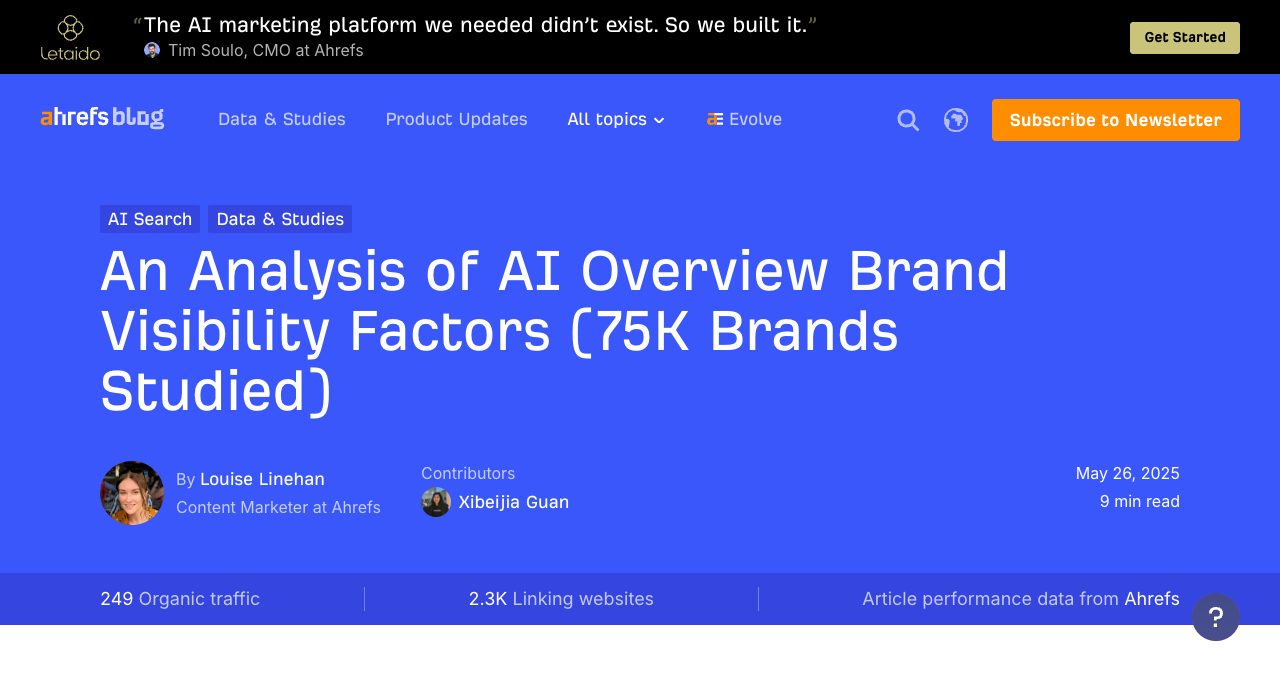
A listing is a branded mention even when its link is nofollow, and mentions appear to matter more than links for AI search. Ahrefs studied 75,000 brands in May 2025 and found that branded web mentions correlated with visibility in Google's AI Overviews at 0.664, against 0.218 for backlinks. The author points out that correlation is not causation, and the same caution applies here.
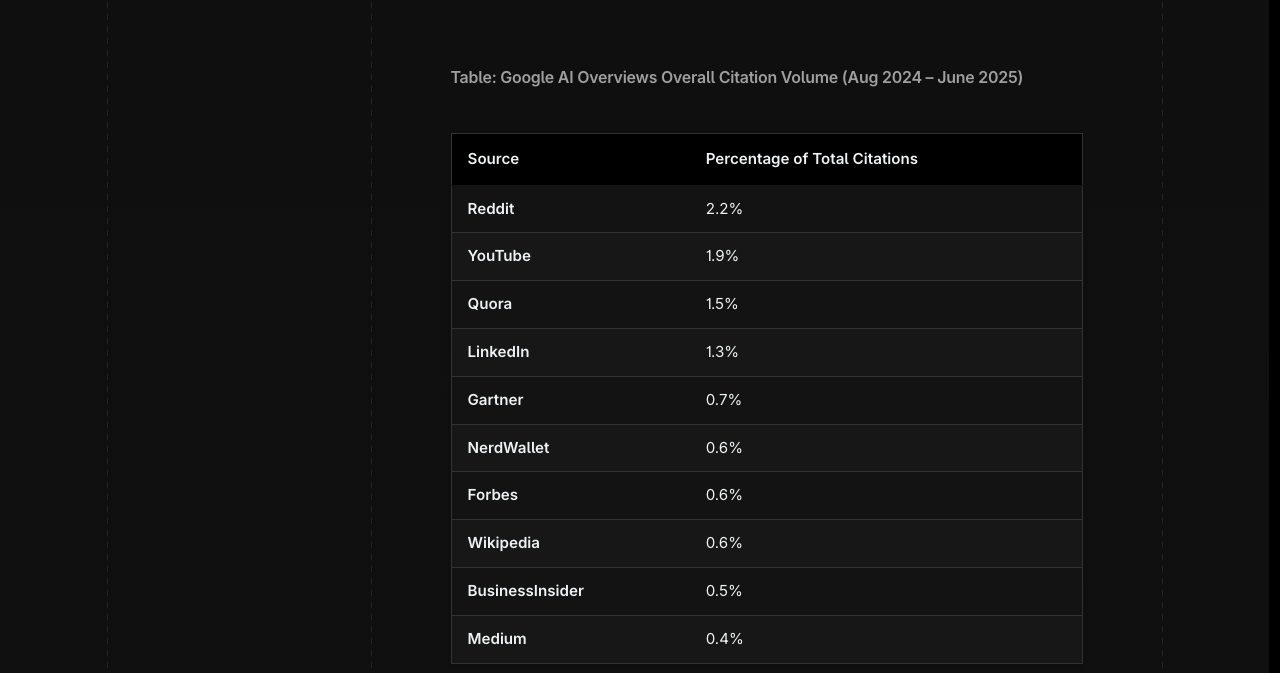
Profound's analysis of 680 million citations from August 2024 to June 2025 shows where answer engines look. Reddit was the most cited domain in Google AI Overviews at 2.2% of all citations, ahead of YouTube, Quora and LinkedIn. ChatGPT leaned on Wikipedia, and G2 made its top four. A directory listing won't outrank Reddit, but it is one of the few kinds of mention you can create this month.
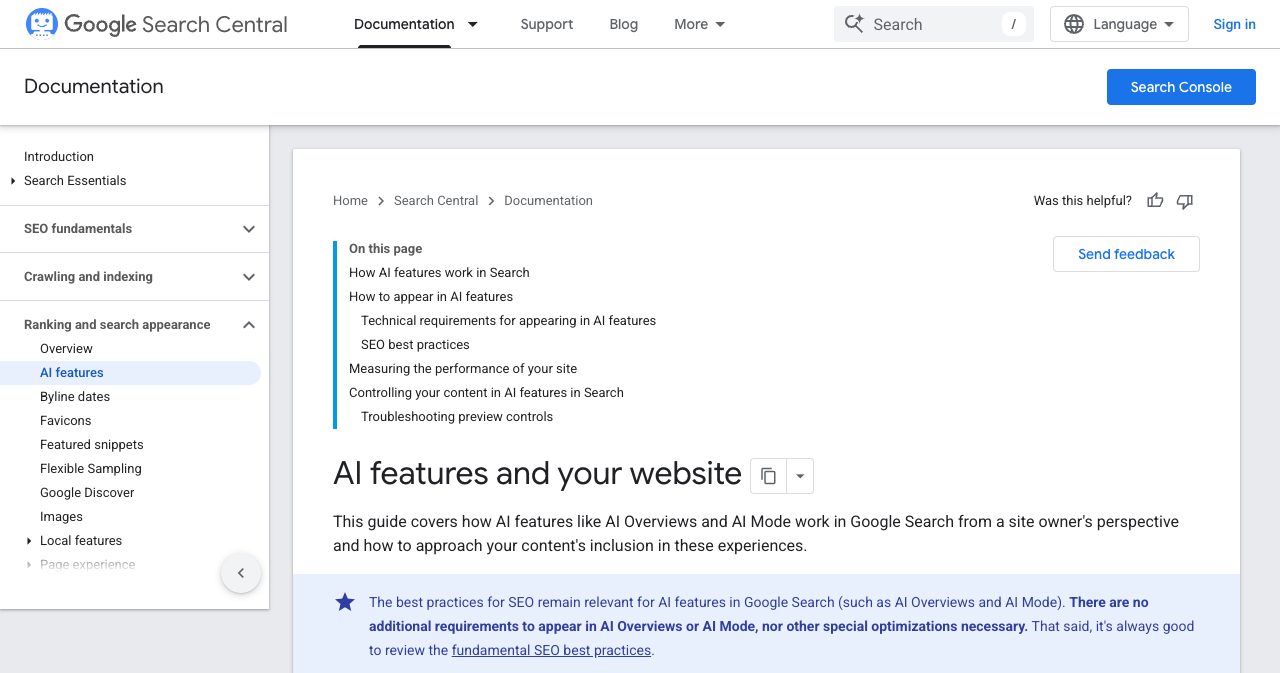
Google's own guidance is plainer than most GEO advice. Its Search Central page on AI features and your website says there are no additional requirements to appear in AI Overviews or AI Mode, and no special optimizations needed. The work is ordinary SEO, plus mentions on the sites that answer engines already read.
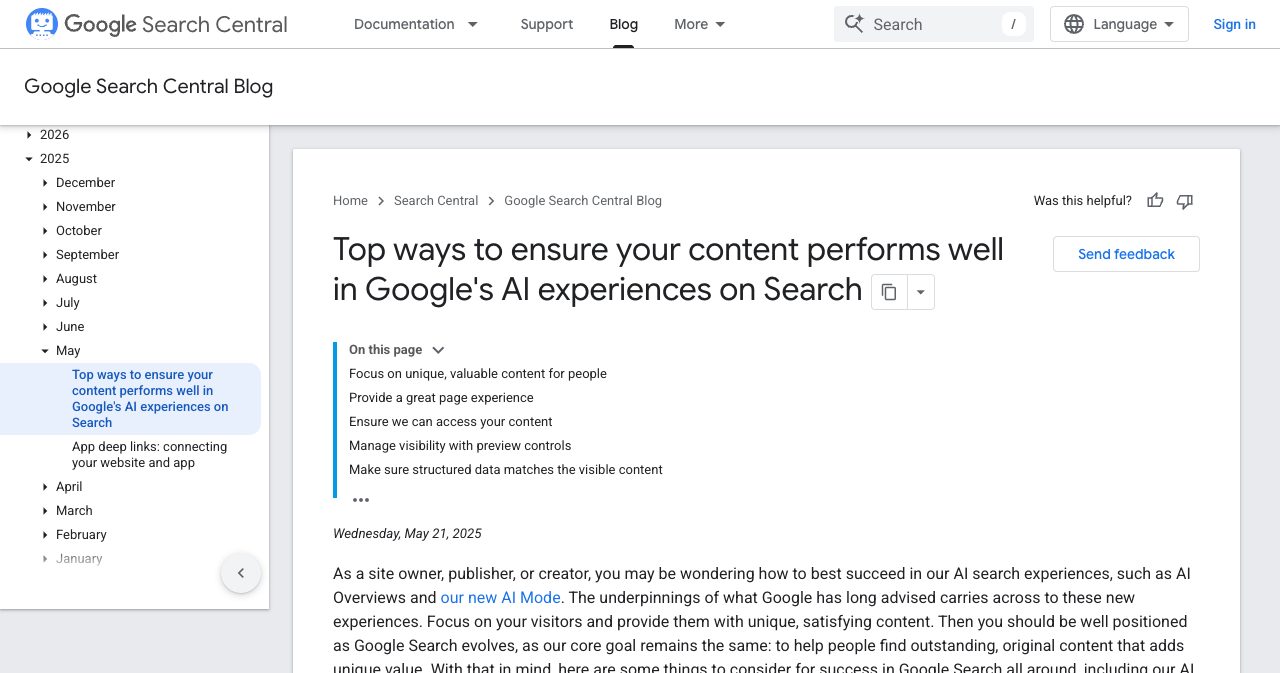
Two practical rules follow. First, use the same one-line description, category, pricing and screenshot on your homepage, your SaaSCity listing, Product Hunt, There's An AI For That, LinkedIn and Crunchbase. When the descriptions conflict, a model has to choose between them, and it may skip your product. Second, keep your structured data honest. Google's May 2025 advice for its AI experiences includes making sure structured data matches the visible content. Add Organization and SoftwareApplication JSON-LD to your homepage, and make it say what the page says.
Tag every listing with a UTM link. A directory that sends visitors who never activate is a vanity backlink, and you can stop paying for it. Our GEO playbook for AI citations covers the rest of the method.
The order I'd submit in
- Free followed links first: SaaSCity with the badge, ToolPilot, ShowMeBest and the rest of the free shortlist on the AI directories page.
- One paid catalog if your buyers search by task. That is usually There's An AI For That.
- AlternativeTo, listed against the product you replace, plus G2 if you sell to teams.
- Then the long tail. Work through it yourself, or hand it to our directory submission service, which submits your product to up to 150 directories, highest DR first, starting at $49 for 50.
- Update every listing when your pricing or positioning changes. Stale copy is how AI answers get your product wrong.
A 14-day public launch sequence
Spread the channels out so you can answer every thread. Directories go in before day one. Product Hunt is day one, Show HN day two and a niche subreddit day three. Smaller boards and the recap fill days four and five, and you keep posting the build on X the whole time. Adapt the days if Product Hunt isn't your main surface.
- In the two weeks before day one, submit to directories, warm up the list and freeze the demo. Book a free SaaSCity Monday at the start of launch week, so the listing is live the day before a Tuesday Product Hunt launch.
- Day 1: Product Hunt at 12:01 a.m. Pacific, then the email, X and LinkedIn.
- Day 2: Show HN in the morning, US Eastern time, if the product is technical.
- Day 3: one or two niche subreddits, value first, with a link only where the rules allow it.
- Day 4: smaller boards such as Peerlist, Uneed and Microlaunch, if you still have time to reply. Our Product Hunt alternatives guide compares 25 of them.
- Day 5: a recap on Indie Hackers with real numbers.
- Days 6 to 14: activation emails, one public fix, review requests on G2 and Product Hunt, and a first comparison page or "how we built it" post aimed at a long-tail search.
SEO is too slow to help on launch day, and that is fine. It is the channel that pays off in month three, so the first comparison page goes out in week two.
What to skip
Skip vote rings, generic AI news subreddits, paid directory blasts with no audience and any launch that leads with the model name. Also drop the hope that one channel will give you both a launch spike and steady growth. Plan one channel for each.
- Asking for upvotes on Hacker News or Product Hunt. Both forbid it.
- Launch announcements in r/artificial.
- "Built on GPT-5" or "powered by Claude" as the headline. Buyers care about the job the product does.
- Submitting to 300 directories on launch morning.
- Google Ads as the first channel. Clicks are expensive, and search intent for a new AI category is still messy.
- Copying the 2023 Chatbase tweet and expecting the same curve. Timing was part of that result. You can copy the one-action demo and the channels that came after it.
Get listed before launch week
If you take one action from this guide this week, get your product listed before launch week starts. Submit it to SaaSCity: the listing is free with the badge, or $19.99 with Quick Pass if the free queue would miss your launch. Premium, at $39.99, adds a launch post our editor writes about your product, with three links to your site. Then pick your next ten listings from the 371 AI directories we track, so you pay only for the ones your buyers search.
If an agent is doing your launch prep, point it at the SaaSCity MCP server at https://saascity.io/api/mcp. It can audit your homepage, filter launch directories by DR, link type and price, and draft your SaaSCity submission, which stays unpublished until you claim it.
FAQ
What channels deliver the fastest initial users for an AI startup?
Warm contacts and niche communities come first. A relevant subreddit can produce signups within one to three days, and Show HN or a prepared Product Hunt launch can do it in a day if the demo is obvious and you stay in the comments. AI directories and SEO take weeks to start, but they keep sending people long after the launch spike fades.
How should an AI founder prepare for a public launch day?
Start four weeks out. Write a one-sentence use case, record a 60 to 90 second demo, put pricing on the page, and build a list of 200 to 500 people who have already seen the product. Submit to directories two to three weeks early. Go live at 12:01 a.m. Pacific on a Tuesday, Wednesday or Thursday, and keep Show HN for another day.
What role do directory listings play in sustaining growth after launch?
They keep working after the launch spike is over. Task-based AI directories rank for searches like AI tool for a specific job, send referral traffic for months and create the third-party mentions that AI answer engines draw on. Submit before launch day, because review queues are the bottleneck, and tag each listing with a UTM link so you can drop the ones that send no active users.
Is Product Hunt still worth it for an AI tool?
Yes, as a one-day spike and a permanent page that ranks for your brand name. Expect the traffic to fade within 48 to 72 hours. The AI category is crowded, so the supporters you bring matter more than the category badge. Product Hunt's team also reviews launches for being useful, novel and well made, so votes alone do not decide what gets featured.
When should I submit to AI directories?
Two to three weeks before your public launch, so the listings are live when launch-week searches start. Begin with a few free listings that give a followed link, such as SaaSCity with its badge, and one large catalog like There's An AI For That. Add AlternativeTo and review sites after that. A blast to hundreds of directories on launch morning mostly produces pending reviews.
How is launching an AI product different from launching other SaaS?
Buyers want to see the output immediately, and the label AI-powered no longer earns a click. Lead with the job the tool does, show a real result in the first five seconds of the demo, and offer a free tier or a demo without signup. Expect extra skepticism on Hacker News if the product looks like a thin wrapper around someone else's model.
Get your SaaS in front of founders
List your product on the SaaSCity live city map - a permanent listing, real discovery, and a backlink from a high-DR directory. Free to start; upgrade for a dofollow link and a building on the map.