SaaS Business
10 AI-Powered iOS App Ideas for Personalized Fitness Coaching in 2026
Discover 10 innovative AI-powered iOS app ideas for the fitness and wellness industry in 2026. Learn how to leverage ARKit, HealthKit, and on-device machine learning to build the next generation of personal coaching apps.

Contents (13)
- Key Takeaways
- 1. AI Form Correction Coach
- 2. Adaptive Daily Workout Planner
- 3. AI Nutrition and Meal Coach
- 4. AR/VR Immersive Fitness Trainer
- 5. Voice-Activated Personal Trainer
- 6. Recovery and Sleep Optimizer
- 7. Social Accountability AI Matcher
- 8. Mental-Physical Wellness Integrator
- 9. Gamified AI Progress Motivator
- 10. Predictive Injury Prevention Coach
- Where This Is All Heading
- Frequently Asked Questions
Quick answer: The strongest AI-powered iOS fitness app ideas for 2026 pair Apple's native APIs with on-device machine learning: an ARKit form correction coach, an adaptive workout planner driven by Apple Watch sleep and HRV data, a photo-based AI nutrition coach, an immersive AR/VR trainer, a voice-first personal trainer, a recovery and sleep optimizer, an AI accountability matcher, a mental-physical wellness integrator, a gamified progress motivator, and a predictive injury prevention coach. All ten are buildable today with HealthKit, ARKit, and the iPhone Neural Engine.
Key Takeaways
- Market size: The global fitness app market hit $13.81 billion in 2026 and is forecast to reach $28.7 billion, growing 14.3% annually.
- AI slice is growing faster: AI fitness and wellness is valued at $9.8 billion today and projected to reach $46.1 billion by 2034.
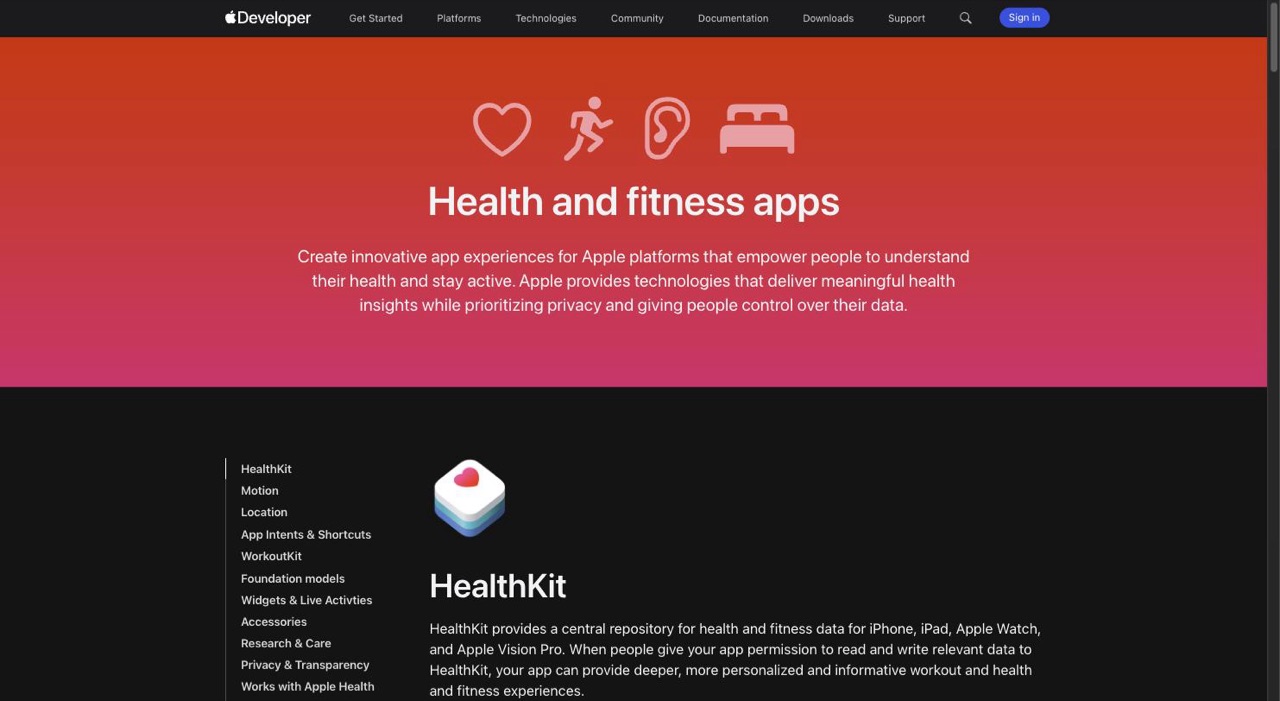
- HealthKit plus ARKit plus Neural Engine: iOS is the only platform offering centralized health data, AR overlays, and on-device inference as one system.
- Wearable integration drives retention: Apps that combine AI with wearables see 3x higher user engagement than those that do not.
- Privacy is a feature: Running pose estimation on-device instead of in the cloud is what makes healthcare partnerships possible.
- Build cost is real: A production-ready AI fitness app with HealthKit, ML inference, and subscription billing runs $80,000 to $250,000.
- Habit beats algorithm: Subscription fitness models average up to $120 per user annually, and gamification layers are what keep those subscriptions alive.
Your personal trainer just became obsolete. Not because people stopped caring about fitness — but because AI now knows your body better than most humans ever could.
The global fitness app market hit $13.81 billion in 2026, and that number is just the warm-up. The AI-specific slice of fitness and wellness is valued at $9.8 billion today and is on track to reach $46.1 billion by 2034. This isn't a trend — it's a complete rewiring of how people think about health.
iOS sits at the center of this shift. With HealthKit pulling data from Apple Watch, ARKit enabling real-world overlays, and on-device processing keeping data private, the iPhone is genuinely the best hardware platform for building next-generation fitness coaching apps. iOS already holds the largest revenue share of any platform in the fitness app space, and that gap is widening.
If you're a developer, product manager, or founder thinking about where to build and launch an AI SaaS next, here are 10 AI-powered iOS app ideas that are ready for the moment we're in.
1. AI Form Correction Coach
Bad form is the silent killer of fitness progress. Most people spend years training wrong, compounding bad movement patterns until something snaps — literally.
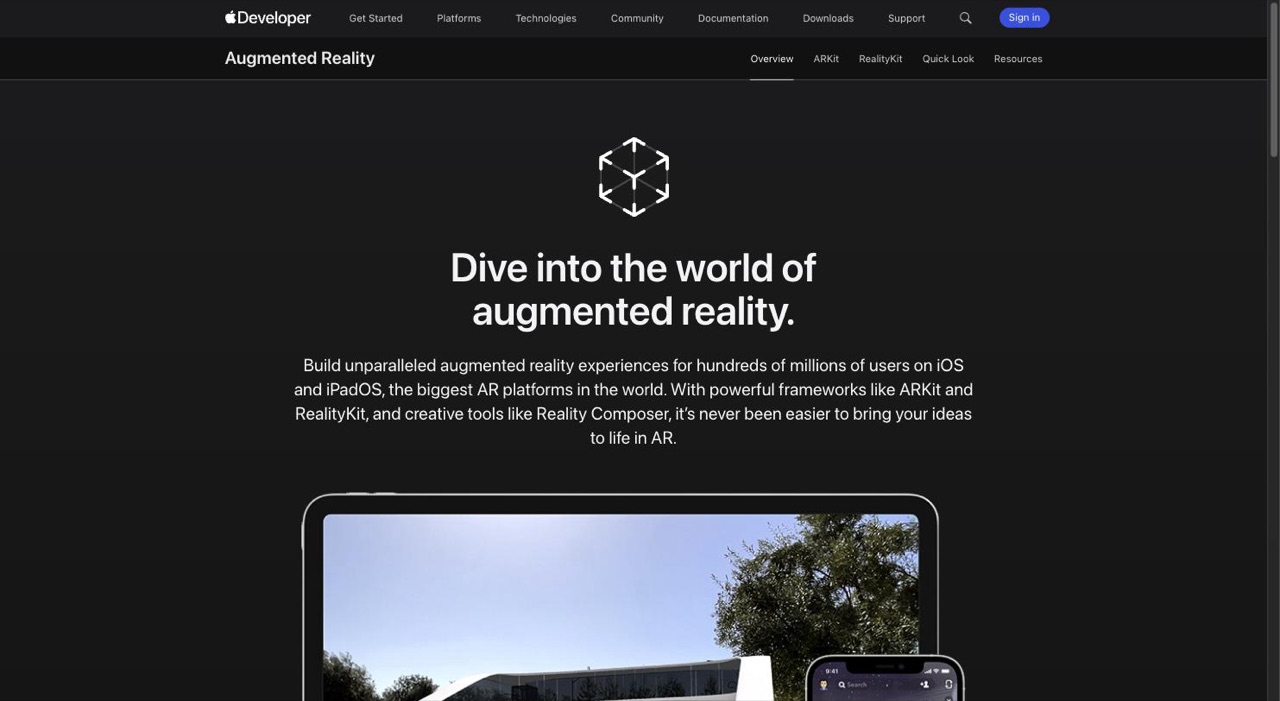
An app using iPhone's camera and ARKit can change that. Computer vision models analyze your squat depth, elbow angle, or spinal alignment in real time and deliver corrections through voice before you complete the rep. Think of it as having a coach's eyes attached to your phone.
What makes it work on iOS: ARKit's body tracking, combined with the Neural Engine on modern iPhones, can run pose estimation models without sending data to the cloud. That's a massive privacy win that opens the door to healthcare partnerships.
Key features to build:
- Live pose estimation with skeleton overlay
- Voice feedback synced to movement via Siri integration
- Apple Watch heart rate overlay during sessions
- Before/after movement comparison with progress scoring
- Custom exercise libraries that adapt as skill improves
Monetization angle: Freemium with basic form checks, premium unlocking sport-specific AI models (powerlifting, running gait, golf swing).
2. Adaptive Daily Workout Planner
Static workout plans are a 2015 idea. A plan built for Monday-you shouldn't be the plan you follow on Thursday after a poor night's sleep.
The smarter approach: an app that reads your Apple Watch sleep data, HRV, resting heart rate, and activity history, then generates a session calibrated to what your body actually needs today. Hard day? It scales up. You slept five hours and skipped breakfast? It adjusts automatically.
Apps that integrate AI with wearables see 3x higher user engagement — that number alone should make this a priority for any developer entering this space. If you're looking for broader Micro SaaS ideas in 2026, marrying wearables with AI personalization is a proven winner.
Key features to build:
- Wearable-synced readiness scoring each morning
- Equipment-flexible plans (home, hotel, gym)
- Voice-activated plan swaps ("I only have 20 minutes")
- Weekly progression reports with visual trendlines
- Apple Fitness+ content integration for variety
Monetization angle: Subscription-based with a "recovery week" planning tier for serious athletes.
3. AI Nutrition and Meal Coach
The gap between fitness apps and food apps has always been artificial. Your workout plan is useless if your nutrition doesn't match it.
Photo-based food logging powered by AI vision models has finally gotten accurate enough to be genuinely useful. Point your camera at a plate, get a macro breakdown in seconds, and have the app adjust your afternoon workout recommendation based on what you actually ate.
Key features to build:
- Photo-based calorie and macro estimation
- Meal timing recommendations tied to workout schedule
- Grocery list auto-generation from weekly meal plan
- Allergy and intolerance filters
- HealthKit calorie sync for a closed feedback loop
- Nutrition scoring that rewards consistency, not perfection
Monetization angle: In-app recipe packs, premium meal plan templates, dietitian-reviewed content tiers.
4. AR/VR Immersive Fitness Trainer
Motivation is the product. Everything else is features.
An ARKit-powered app that places a virtual trainer in your living room, or drops you into a mountain trail for your morning run, changes the psychological experience of working out at home. You're not doing lunges alone in your apartment. You're following someone through a Pacific Northwest forest.
With Apple Vision Pro now in the ecosystem, iOS developers have a clear path to building immersive fitness experiences that no Android-first team can easily replicate.
Key features to build:
- Virtual environment selection (beach, forest, urban)
- Interactive 3D coach with adaptive difficulty
- AR form overlays during strength sessions
- Multiplayer workout rooms for remote friends
- Post-session VR cool-down and meditation
Monetization angle: VR environment packs as in-app purchases, multiplayer session credits.
5. Voice-Activated Personal Trainer
Looking at your phone mid-run is how you roll an ankle.
A voice-first fitness app solves the most fundamental UX problem in mobile coaching: the interface disappears when you need your hands and eyes elsewhere. Tell it you're tired, it adjusts the tempo. Ask it to add five minutes, it extends the session. Natural language, no tapping.
This is where models like those powering Siri Shortcuts and on-device speech recognition on iPhone become genuinely powerful coaching tools rather than novelty features.
Key features to build:
- Real-time voice guidance with dynamic pacing
- Natural language session modification ("skip this exercise")
- Rep counting via AirPods motion sensors
- Motivational audio coaching with adjustable intensity
- Multilingual support for global reach
- Automatic ambient noise detection and compensation
Monetization angle: Premium voice coach "personalities," audio coaching series from guest trainers.
6. Recovery and Sleep Optimizer
Here's the thing nobody wants to hear: rest is where gains actually happen.
An app built specifically around recovery — pulling sleep stages from Apple Watch, HRV from overnight tracking, and activity load from your training history — can tell you something no generic workout app can: whether you should train hard today or whether pushing it will set you back.
Tools like WHOOP have proven users will pay for this insight. The opportunity on iOS is to build the same intelligence at a lower price point, natively integrated into the Apple ecosystem.
Key features to build:
- Daily recovery score with clear visual indicator
- Training load vs. recovery balance charting
- Rest day activity suggestions (mobility, light walks)
- Hydration and nutrition reminders timed to recovery needs
- Injury risk alerts based on multi-week load trends
- Integration with Apple Bedtime mode and Sleep app
Monetization angle: Advanced analytics tier for athletes, team recovery monitoring for coaches.
7. Social Accountability AI Matcher
Accountability is the most underrated ingredient in fitness consistency. Having one other person who expects you to show up increases follow-through dramatically.
An AI matcher pairs users based on fitness goals, experience level, preferred workout times, and personality data — then creates shared challenges with real stakes. Think Strava's social layer, but with the matching intelligence of a dating app applied to fitness partners. For solo founders looking for startup ideas to validate, testing this concept manually first could yield incredible insights.
Key features to build:
- AI-based partner compatibility scoring
- Shared challenge creation with custom rules
- Group leaderboards with Game Center integration
- Motivation bot nudges when a partner goes quiet
- Virtual meetup scheduling with calendar sync
- Privacy controls for anonymous participation
Monetization angle: Group event creation fees, premium challenge templates, coach-facilitated group programs.
8. Mental-Physical Wellness Integrator
Fitness apps still mostly pretend emotions don't exist. Your mood affects your training, your training affects your mood, and nobody's built an iOS app that actually handles both sides of that loop.
A wellness integrator checks in daily — a 30-second mood log — and adjusts the day's session accordingly. High stress day? De-escalate to a walk and breathwork. Feeling strong? Push the intensity. Sentiment analysis and behavioral patterns surface insights over time about what conditions produce your best and worst training days.
Key features to build:
- Daily mood and energy check-in (under 60 seconds)
- Workout intensity adjustment based on emotional state
- Guided mindfulness and breathwork library
- Journaling feature with AI insight summaries
- Stress trend tracking synced with Apple Focus modes
- Weekly mental-physical fusion report
Monetization angle: Mental health content add-on packs, expert-reviewed mindfulness program tiers.
9. Gamified AI Progress Motivator
The gym is one of the few places adults still get report cards, and most people hate it.
Gamification reframes progress as achievement instead of judgment. Quest-based workouts, level systems, custom avatars, and milestone rewards turn the grind into something you actually want to open the app for. Apps that nail this see engagement rates that subscription-only platforms struggle to match.
Subscription-based fitness models are already generating up to $120 per user annually on average — gamification layers increase the stickiness that drives those numbers. For anyone studying SaaS churn playbooks, gamification combined with AI personalization is the ultimate retention engine.
Key features to build:
- Quest-based workout challenges with narrative arcs
- Level-up system tied to performance milestones
- Custom avatar with gear unlocked through training
- Competitive head-to-head modes with friends
- Weekly boss challenges for community engagement
- Achievement badges shareable to social media
Monetization angle: Cosmetic avatar packs, premium quest lines, seasonal challenge passes.
10. Predictive Injury Prevention Coach
This one has the potential to be more than a fitness app — it could be a healthcare product.
Machine learning models trained on movement patterns, training load history, and biomechanical data can flag injury risk days or weeks before something goes wrong. Instead of reacting to pain, users get a heads-up: "Your left hip mobility has declined 15% this month. Here's a corrective protocol."
For runners, lifters, and anyone with a history of injury, this is the app they've actually been waiting for.
Key features to build:
- Movement quality tracking over time with trend analysis
- Proactive exercise swap suggestions before issues escalate
- Personalized warm-up and cooldown protocols
- Injury prediction alerts with confidence scoring
- Integrated rehab plan generator with progression milestones
- Optional GP/physio referral integration
- HealthKit data pull for comprehensive risk modeling
Monetization angle: Pro predictive tools tier, clinical partnership integrations, team athlete monitoring for coaches and sports organizations.
Where This Is All Heading
Over 50% of fitness app users now track their health through smart devices, and that number keeps climbing. The next wave of iOS fitness apps won't be judged by how many features they pack in — they'll be judged by how well they disappear into a user's daily routine while quietly making it better.
The 10 ideas above aren't science fiction. Every one of them is buildable today with existing iOS APIs, Apple Watch sensors, and accessible AI infrastructure. The market is there. The fitness app market is forecast to reach $28.7 billion in 2026 and is growing at 14.3% annually — that's not a niche, that's a platform.
The real differentiator in this space has never been the algorithm. It's whether the app earns a user's habit. The best AI-powered fitness app is the one someone actually opens tomorrow morning. When you are launching your SaaS in 2026, prioritizing user habit loops is critical.
Frequently Asked Questions
What are the top AI fitness trends in 2026? Hyper-personalization using wearable biometrics, voice-first coaching interfaces, AR-guided workouts, mental health integration, and predictive injury prevention are the defining trends. Apps that combine two or more of these have a significant retention advantage.
How does iOS enhance AI coaching apps specifically? HealthKit centralizes health data from Apple Watch, third-party apps, and manual inputs. ARKit enables real-world overlays for form correction and immersive environments. The Neural Engine on modern iPhones runs ML models on-device, keeping sensitive health data private. These aren't available as a unified system on any competing platform.
Are AI fitness apps safe for data privacy? On-device processing is the key. Apps that run AI models locally on iPhone rather than sending video or biometric data to remote servers offer the strongest privacy guarantees. Look for apps that are HealthKit-integrated but don't require account creation or cloud storage for core features. Understanding SaaS compliance 2026 is essential for any modern application handling user data.
Can beginners use AI-powered fitness apps effectively? These apps are often better for beginners than for experienced athletes. A new user lacks the body awareness to self-correct form or regulate training intensity — exactly what these AI systems provide. The adaptive workout planner and form correction coach ideas are particularly well-suited to people just starting out.
How much does it cost to develop one of these apps? A production-ready AI fitness app with HealthKit integration, basic ML model inference, and a subscription billing backend typically runs $80,000–$250,000 depending on feature scope and team location. ARKit and computer vision features add complexity and cost. Starting with one core feature and validating it before expanding is the smarter approach. Using zero cost developer toolkits can drastically decrease your prototyping expenses.
How do wearables integrate with these app ideas? Apple Watch is the primary integration point. Heart rate, HRV, sleep stages, activity rings, and workout data all flow into HealthKit, which these apps can query with user permission. Third-party wearables like Garmin and Oura can also feed into HealthKit through their own iOS apps, making that data available to any app with the right permissions.
Once you build your AI-powered iOS fitness coaching app, finding your first users is the next major hurdle. Submit to the best iOS app directories for backlinks and discovery, and list your startup on SaaSCity.io—the ultimate directory for 2026 web and mobile applications.
Get your SaaS in front of founders
List your product on the SaaSCity live city map - a permanent listing, real discovery, and a backlink from a high-DR directory. Free to start; upgrade for a dofollow link and a building on the map.