Launch & Growth
Launching a SaaS Product in 2026: The Complete Playbook (Idea to $100K ARR)
The full SaaS launch sequence: validation interviews, the wedge test, MVP scope and tooling, launch pricing, the real budget numbers, a stacked launch-day channel plan, platform tier list, and the post-launch weeks where activation and retention decide the outcome.

Contents (10)
Quick answer: Launching a SaaS product in 2026 is a three-to-six-month process, not a single day. Roughly 4 to 8 weeks go into validating willingness to pay (10 to 15 problem interviews, a wedge sharp enough that the sentence stops fitting your competitors, an MVP that does one job end to end, and a pricing page published before you feel ready — usually $19 to $99/month for B2B). Launch day stacks channels on the same date rather than spreading them: your email list first, then Product Hunt on a Tuesday at 12:01 AM Pacific, hand-picked communities, directories like SaaSCity, Hacker News. The 4 to 8 weeks after decide the outcome, through activation and retention fixes — not through new features.
Around 35–42% of startups fail because they built something nobody needed — that's been the top reason in CB Insights' post-mortem analyses for a decade, ahead of running out of cash. A further large share die from bad distribution: a working product that nobody ever finds. Almost none die because the code was bad.
That's the uncomfortable math behind launching a SaaS product in 2026. AI tools have made the building part faster than it has ever been — you can stand up an MVP in a weekend now. Which means the building part is no longer where launches are won. Validation, audience, and distribution are, and those still take weeks of unglamorous work that most founders skip because shipping features feels more productive.
This playbook covers the whole sequence: what to do before you write serious code, how to run the launch week itself, and the post-launch stretch where the outcome is actually decided. It's written for indie founders and small teams, and it assumes you'd rather have 50 paying customers than 5,000 signups who never come back.
One framing to hold onto the entire way through: a launch is a process with phases, not a day with a countdown. The day is the loud part. The phases before and after it are the parts that determine whether the day mattered.
Key Takeaways
- Validation outranks code: 35–42% of startups fail because they built something nobody needed, the top reason in CB Insights post-mortems for a decade.
- Interviews beat surveys: Ask about the last time someone did the thing, never about a hypothetical future. Commitment target before building: 3–5 people who pre-paid, signed a letter of intent, or gave an unambiguous yes.
- The wedge test is one sentence: If your product description fits two competitors with the logo swapped, keep cutting until it does not.
- Price above the $9 zone: The B2B launch sweet spot is roughly $19–$99/month, with $29–$49 a sane default. Publish the pricing page before the product is ready — it is the cheapest validation instrument you own.
- Budget ~$7K–$20K all-in: MVP tooling, legal, launch marketing and incentives, plus a 30% contingency.
- Compress the launch into one day: Six channels over three weeks produce six blips; the same activity on one date produces one spike that feeds itself. BetaList before, Product Hunt plus communities on day zero, smaller platforms across launch week, directory batches over the following months.
- Four numbers are enough early: Visitor-to-signup, signup-to-activation (60%+ in 14 days), activated-to-paying (5–10%), and NRR later.
- Post-launch decides it: Answer everything within 24 hours, fix signup and payment blockers same-day, collect testimonials inside two weeks, fix onboarding before adding features.
The Mindset Shifts That Decide the Outcome
Before the tactics, five positions worth adopting, because every mistake later in this guide traces back to skipping one of them:
- Validate willingness to pay before heavy building. Not "would you use this" — would you pay for this, roughly this much, starting when? Verbal enthusiasm is free; the signal is in commitments.
- Marketing starts before the product exists. The founders who launch to a warm waitlist built that waitlist while building the product, not after. If your plan is "finish, then market," you've scheduled the hard part for when you're most exhausted.
- One problem, one customer. A narrow ICP feels like leaving money on the table. It isn't — it's the only way a small team out-positions incumbents. Riches in the niches is a cliché because it keeps being true.
- Charge early. Pre-sales and paid betas beat free-forever launches. Price is a feature of validation, not something you bolt on later.
- Speed of iteration beats polish. An MVP with one excellent core loop, shipped and revised weekly, will outrun a polished five-feature product shipped a quarter later.
A 2026-specific note: AI builders like Lovable and Bolt have collapsed MVP timelines, which is great — and has raised the risk of confidently building the wrong thing faster. The tools accelerate construction, not validation. If anything, cheap building makes disciplined validation more valuable, because everyone else is skipping it.
Phase 1: Pre-Launch Foundation (Weeks −12 to −1)
The goal of this phase: confirmed demand, a working core loop, tested positioning, and a warm audience waiting for launch day. In that order of importance.
Validate the problem before the product
Find a pain point that is urgent, frequent, and underserved — all three. Urgent-but-rare problems don't sustain subscriptions; frequent-but-mild ones don't survive the pricing page.
The validation work itself:
- Run 10–30 problem interviews with people who match your target customer. Ask about the problem and what they currently do about it — not about your solution. "Walk me through the last time this happened" beats "would you use a tool that…" every time, because surveys tell you what people think they'll do while interviews show you what they actually struggle with.
- Interview rules that keep you honest: ask about past behavior, never hypothetical futures; don't pitch (the moment you start selling, people stop telling the truth); record the exact phrases people use — that vocabulary becomes your landing page copy later; and stop when you stop hearing new things.
- Set a commitment target. Before writing serious code, aim for 3–5 people who have pre-paid, signed a letter of intent, or given an unambiguous "yes, I'll pay $X when it exists." Fewer than that after 25 conversations is your answer, and it arrived cheaply.
- Test with a landing page describing the product as if it existed, and drive small traffic to it. A waitlist signup rate above ~5% of visitors suggests real pull; below 1–2%, the message or the problem is off.
- Do a real competitor pass — 5–10 direct competitors plus the non-obvious alternatives (spreadsheets, interns, "we just don't"). Crowded markets validate demand; your job is finding the segment the incumbents serve badly.
We keep a dedicated startup idea validation checklist that expands this into a 25-point process. The output you need from it is one sentence — [specific person] struggles with [specific problem] and currently suffers through [inadequate alternative] — plus an ICP sharp enough that you can name where those people hang out online.
Positioning: the wedge test
With a validated problem, write the positioning before the code settles. A wedge is the one outcome your product delivers better than anything else on the market — and picking it is hard precisely because every founder believes their product does five things well. Pick the one a specific person would pay for this month, then build your entire story around it.
Here's what a wedge statement looks like. Weak: "Acme Analytics is a full-stack analytics platform with dashboards, alerts, integrations, and AI insights." Strong: "Acme tells you which marketing channel produced your paying customers, automatically, in under two minutes per week." The second names a person, a problem, and a time promise. Put it on a landing page hero and people instantly know whether it's for them.
The self-test: if your product description could apply to two of your competitors with the logo swapped, you don't have a wedge yet. Keep cutting until the sentence stops fitting anyone else. This matters double when you're launching against incumbents — they already own the generic descriptions, and you can't out-"analytics platform" the analytics platforms.
Round it out with an explicit "this is not for you if…" — the fastest credibility move a small product can make — and a differentiation claim you can defend: cheaper, faster, narrower, more opinionated, better integrated. Then test the message on real prospects before acting on it. Send your one-liner to ten people from your interviews and ask what they think the product does. If their answers diverge from your intent, fix the words now — it's a hundred times cheaper than fixing them after launch.
Build the MVP (and only the MVP)
Ruthless scope is the whole game here. Your MVP should do one job end to end — badly enough that it still embarrasses you slightly, but completely. If your product is invoice automation, the MVP is upload an invoice, extract the fields, push to accounting software. No templates gallery, no team permissions, no dark mode. Every feature you add before launch delays the only real source of truth, which is a stranger paying you money.
Speed to that first payment is the one genuine advantage a new product has over funded incumbents, and polish is how builders waste it. Launching a three-feature product in eight weeks and learning from paying users beats launching a fifteen-feature product in eight months and learning nothing.
What the MVP must include is less negotiable than founders think:
| Area | Bar for launch |
|---|---|
| Core loop | A new user can reach the product's core value end-to-end without your help |
| Auth | Works reliably; Google OAuth alone is a fine start |
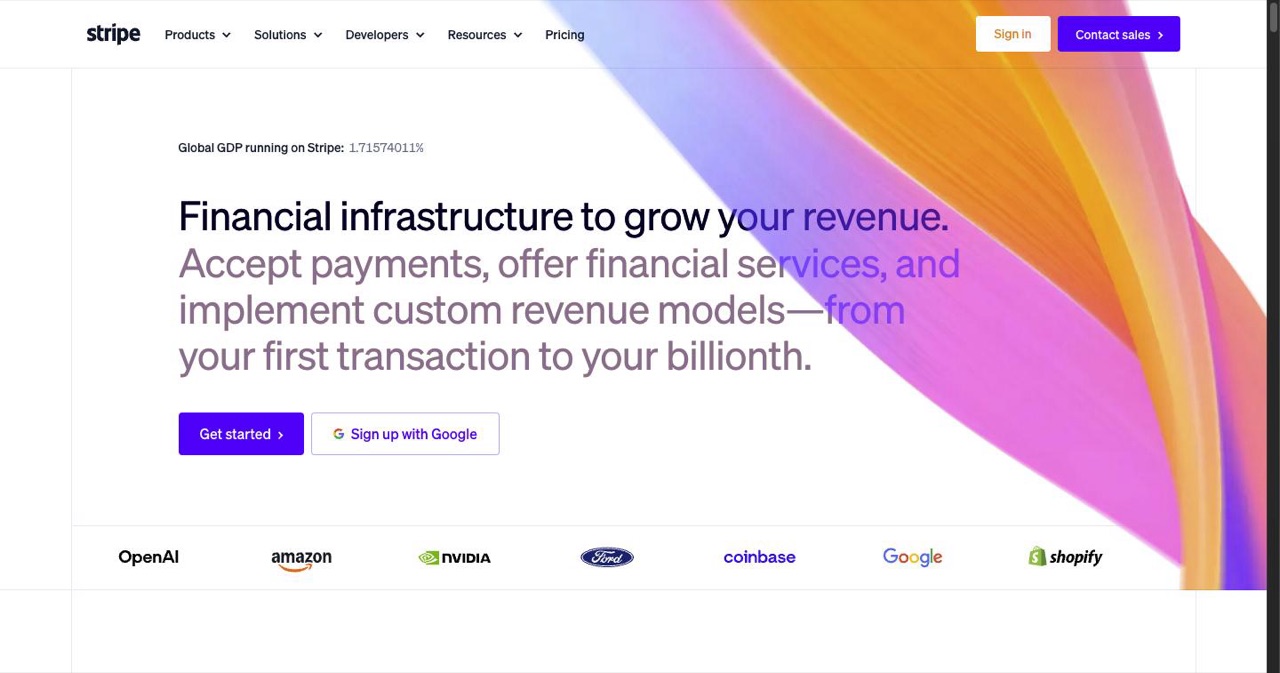
| Payments | Stripe/Paddle/Lemon Squeezy live-tested with a real card — see our payment processor comparison |
| Onboarding | Sample data or a guided first action; time-to-value under 5 minutes |
| Analytics & errors | Event tracking (PostHog, Plausible, Mixpanel) + error monitoring wired before launch, not after |
| Legal basics | Privacy policy, terms, cookie consent where required, business entity sorted |
On tooling: 2026 has collapsed MVP timelines. AI development tools like Cursor and Copilot accelerate coding; boilerplates like Makerkit, ShipFast and SaasRock ship with auth, billing and infrastructure already built (we compared the AI SaaS boilerplates if you're going that route); and no-code platforms like Bubble, WeWeb and Retool cover database-driven apps without code. Most modern MVPs land in 2–12 weeks against 3–6 months of traditional development. Two cautions: test checkout with a real payment method before launch (a silently failing Stripe webhook on launch day is revenue you'll never know you lost), and for multi-tenant products, plan tenant isolation from day one — retrofitting it is painful and expensive.
Before the public launch, run a soft beta with 10–50 people from your target segment. The pattern across launch post-mortems is consistent: products that went through a structured beta ship with dramatically fewer launch-day-breaking bugs, and beta users become your first testimonials and launch-day commenters. Collect feedback in a structured way (one form, one channel) instead of letting it scatter across DMs.
Price it like you mean it
Underpricing is the most common self-inflicted wound in indie SaaS. A $5 plan needs twenty times the customers of a $99 plan for the same revenue — and cheap customers churn more and support more. The patterns that keep repeating:
- B2B sweet spot at launch is roughly $19–$99/month. A $29–$49 starting point is a sane default for a validated B2B problem.
- Avoid the $9 zone for real business problems. It signals low value, attracts the highest-support-burden customers, and makes every future raise feel like a betrayal.
- One obvious plan. Most visitors should know within three seconds which plan is for them. Highlight one tier, make the others visually secondary.
- Monthly and annual, priced honestly. The standard discount is roughly two months free on annual (~17%). The fake "$9.99 monthly, $99.99 annually" trick reads as sneaky because it is.
- An escape hatch for bigger companies. A "Contact us" path costs nothing and catches enterprise outliers who'd otherwise bounce.
- Test willingness to pay in interviews with Van Westendorp-style questions ("at what price would this feel expensive? too cheap to trust?") rather than guessing from competitor pages.
- Lifetime deals are cash flow tools, not pricing strategy. They make sense for early revenue and social proof if your marginal cost per user is low. Selling a lifetime subscription to a product with heavy per-user AI inference costs is a slow-motion loss.
One tip that costs nothing and gets skipped anyway: put the pricing page live even if the product isn't. Get a few hundred targeted visitors to it, track how many click "Start," and you've measured purchase intent without writing code.
Budget it realistically
Founders consistently underestimate this part, so here are the working numbers:
| Phase | Line item | Range |
|---|---|---|
| MVP (weeks 5–12) | Dev tools & subscriptions | $500–$2,000 |
| Design assets | $300–$1,000 | |
| Legal & business setup | $1,000–$3,000 | |
| Testing & infrastructure | $500–$1,500 | |
| Launch (months 4–6) | Marketing & advertising | $3,000–$10,000 |
| Beta incentives & outreach | $500–$2,000 | |
| Infrastructure | $1,000–$3,000 | |
| Support tools | $300–$1,000 |
Add a 30% contingency — things always take longer and cost more than estimated. A bootstrapped launch done lean lands around $7K–$10K; a funded-feeling one around $20K. Both can work; what doesn't is discovering the number mid-launch.
Build the audience while you build the product
This is the pre-launch work that most determines launch-day results, and it compounds weekly:
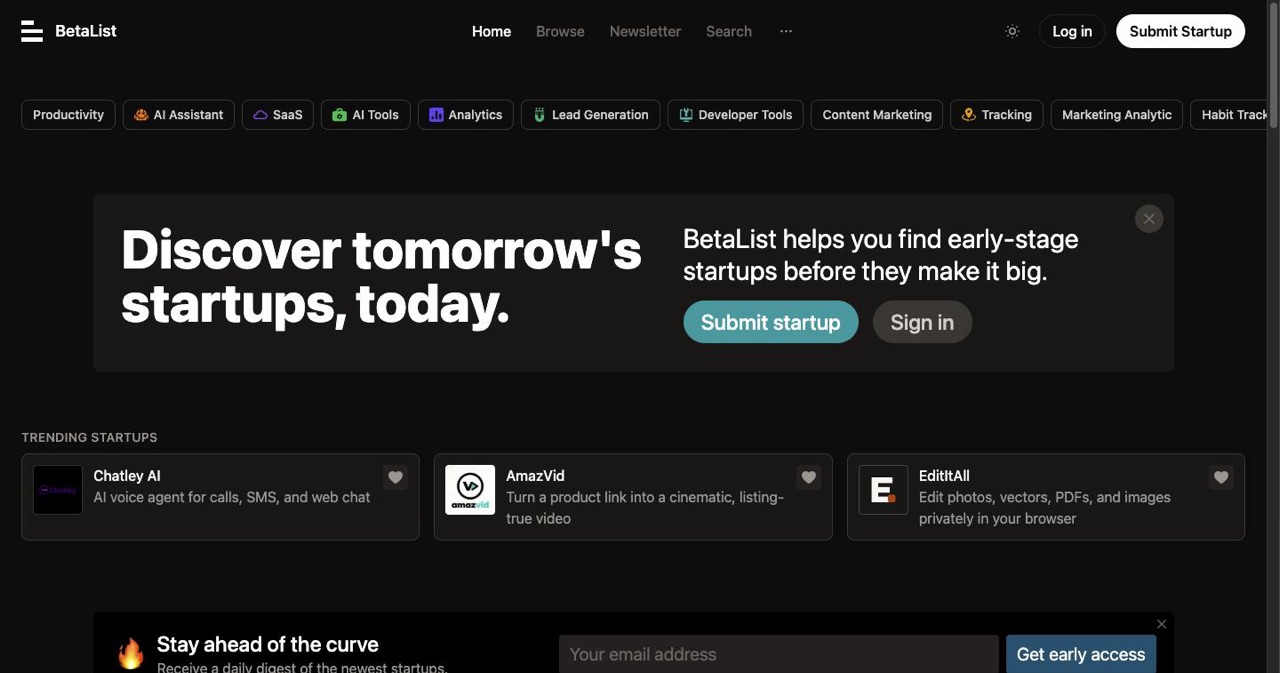
- Landing page + waitlist live from week one of building, with a clear CTA and whatever social proof exists (beta quotes count). Submitting to early-adopter discovery platforms like BetaList weeks in advance helps seed this initial waitlist.
- Ask one qualifying question on the signup form — "What's the biggest problem you have with [the thing your product solves]?" Every signup becomes free product research, and the people who write two paragraphs become your launch-day evangelists.
- Publish 3–5 genuinely useful pieces on the problem space — the articles your ICP would search for. They warm up SEO and give you something to be found by.
- Found the story publicly. Consistent building-in-public posts on X or LinkedIn — progress, numbers, decisions, mistakes — compound into a launch-day audience. A human face outperforms a logo; irregular posting kills the compounding.
- Stay in the rooms where your ICP lives — the relevant subreddits, Slack and Discord groups, Indie Hackers. Contribute for weeks before you need anything. Our guide to the best subreddits for promoting a startup covers how to do this without getting banned.
- Early-access framing converts fence-sitters. "We're letting in the first 200 users" and "founding member pricing ends at launch" give people a reason to act now instead of bookmarking and forgetting.
- Prepare launch assets once, properly: clean screenshots, a 30–60 second demo video or GIF, a one-paragraph and one-page description, and a basic help doc. Every platform you launch on will ask for the same kit.
Pick your GTM shape and your metrics
Decide product-led (self-serve signup, free trial or freemium, volume) versus sales-led (demos, higher price, fewer customers) — it drives pricing, onboarding, and channel choice. Most indie SaaS starts product-led with founder-led sales layered on top.
Choose 1–3 primary channels and ignore the rest for now. And set up measurement before launch day. Four numbers cover the early game:
| Metric | Benchmark |
|---|---|
| Visitor → signup | Under 5% on targeted traffic = fix the page before buying anything |
| Signup → activation | 60%+ completing the core action within 14 days |
| Activated → paying | 5–10% free-to-paid is a sane early self-serve benchmark |
| NRR (later) | 110–120% once you have a customer base |
On unit economics, the guardrails worth knowing from day one: LTV:CAC of at least 3:1, monthly churn under 5% for SMB (under 2% enterprise), CAC payback under 12 months. If you can't tell which channel a paying customer came from, launch week will teach you nothing.
For the full itemized pre-flight — 50 checks across product, legal, marketing, and analytics — use our startup launch checklist rather than reconstructing it from memory the night before.
Phase 2: Launch Week
The goal of launch week is coordinated distribution: maximum signal in a compressed window, feeding early users and feedback back into the product while everything stays stable.
The week before
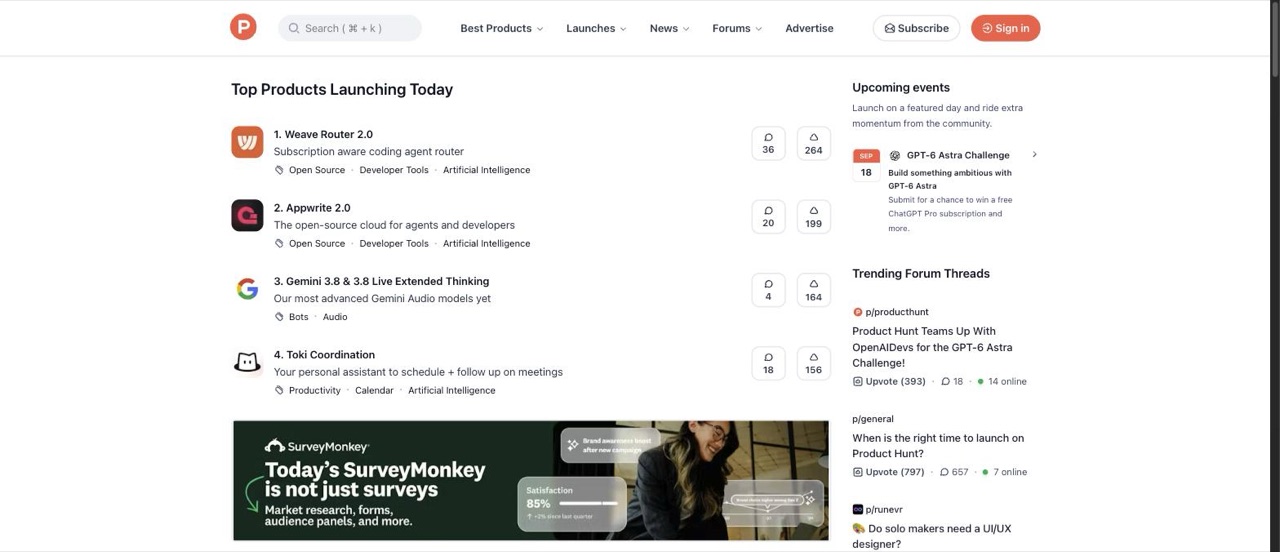
- Finalize your Product Hunt listing: a gallery image that reads at a glance, a tagline under sixty characters, a demo video, and a maker comment that tells the founding story and asks a real question.
- Build a spreadsheet of every directory and platform you'll submit to, with URLs, login state, and submission status.
- Write personalized launch-day messages for the people who matter — beta users, interviewees, waitlist, friendly founders. Personal notes, not a mail-merge blast.
- Soft-launch to your waitlist a few days early. They find the embarrassing bugs, and they're primed to show up as commenters on the public day.
- Run the no-go checklist: signup, payment (with a real card), core feature, transactional emails (check spam scores), page speed, legal pages live — tested on desktop and mobile, ideally by someone who isn't you.
Launch day, hour by hour
Product Hunt remains the loudest single-day stage. Go live at 12:01 AM Pacific to get the full 24 hours. Tuesday through Thursday are the competitive, high-traffic days — Tuesday is the most-cited slot — but that timing only works if someone can staff the thread from early-morning Pacific through the European evening. If you're a solo founder in Berlin, that actually works in your favor; if you can't commit to the thread, a quieter Sunday is the smarter first launch. Lead with a maker comment worth reading, notify your list in the first hours (ask people to check it out genuinely — vote-begging is penalized), and stay in the comments all day. Expect a traffic spike, a solid backlink, and modest direct conversion — that's a good outcome, not a disappointing one.
The critical mechanical point: stack your channels on the same day rather than spreading them. Directory and community launches feed each other — traffic from one channel upvotes and comments on another, engagement begets visibility, visibility begets traffic. Six channels across three weeks produces six small blips; the same activity compressed into one day produces one spike that feeds itself.
Your launch-day stack, in priority order for a first-time founder:
- Your email list — even 200 warm subscribers outconvert 20,000 cold ones.
- Product Hunt — if you can staff the thread all day.
- Two or three hand-picked communities where your ICP actually lives.
- Three to five quality directories, including ones with lasting backlinks.
- Hacker News — if your product has a technical story worth telling.
- Your own social channels — posting the build story, not the ad.
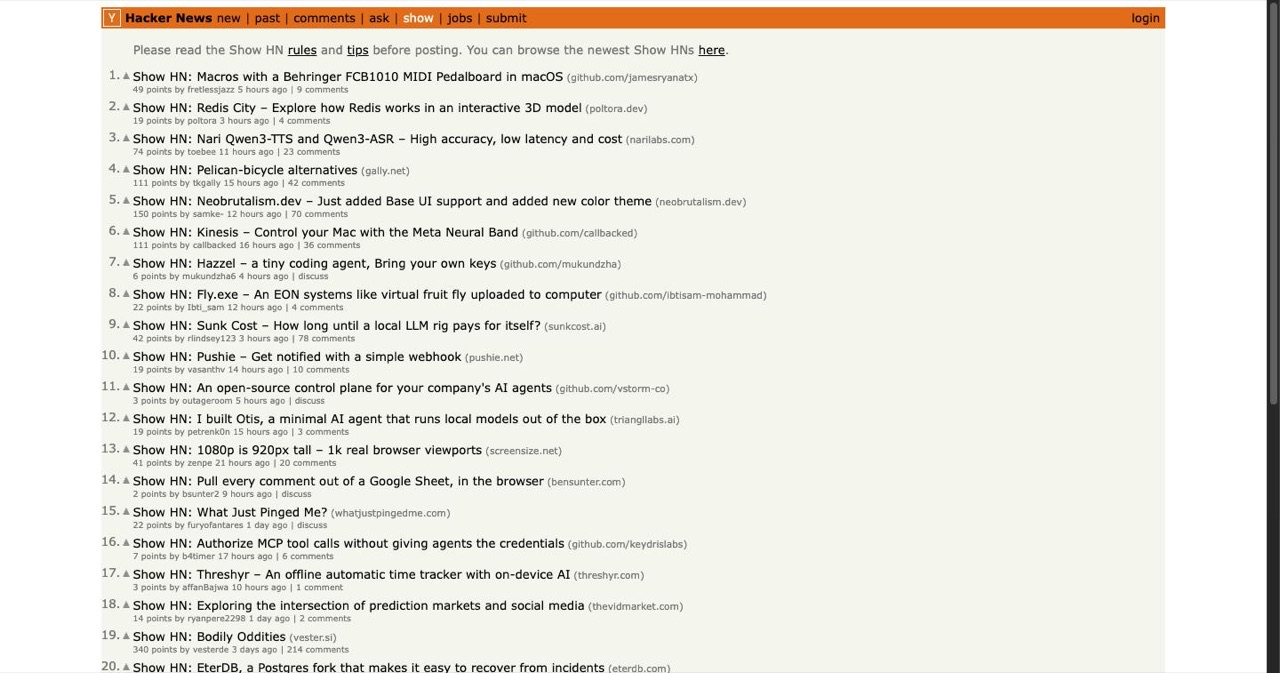
On temperament: Hacker News rewards candor and punishes spin — a plain "Show HN: [thing], [one-line description]" with an honest first comment about why you built it and its limitations outperforms any polished pitch.
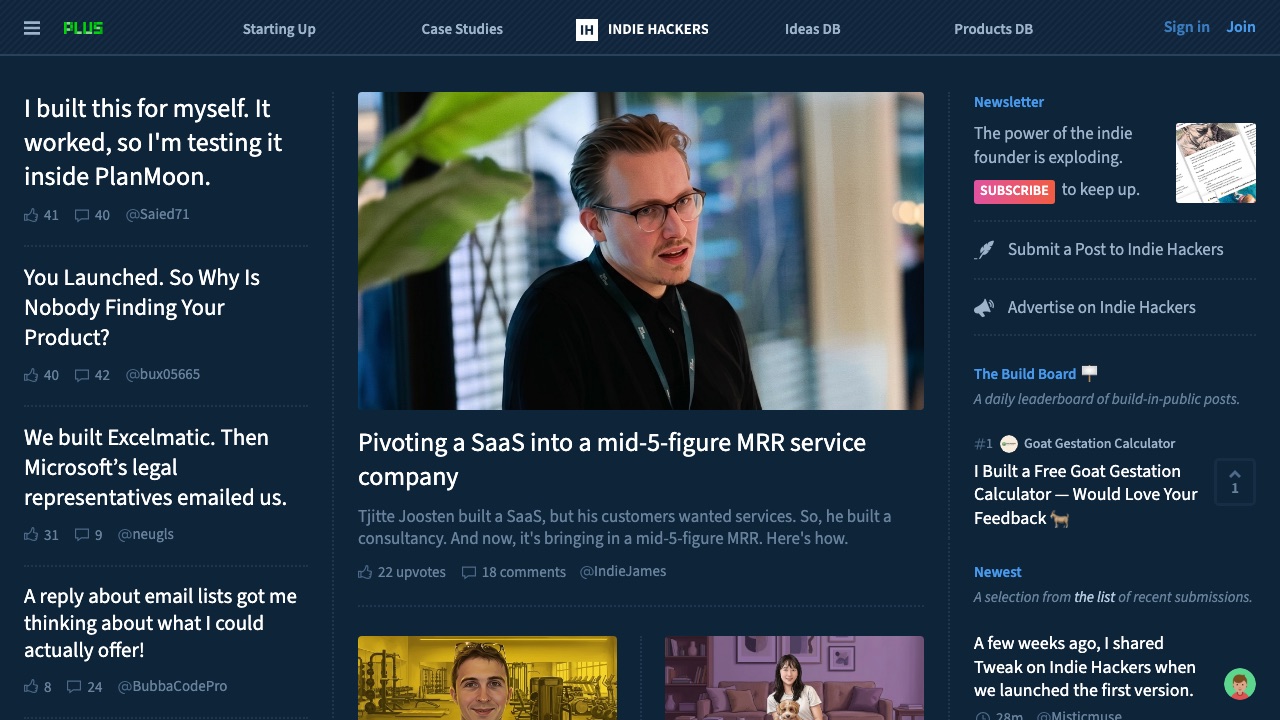
Indie Hackers runs on transparency — share real numbers and real lessons. Reddit works community by community: read each subreddit's self-promotion rules, post like a member, and one well-matched subreddit can outdraw a middling Product Hunt day.
While all of that runs, monitor errors and activation every 15–60 minutes and fix fast. A launch-day bug fixed in twenty minutes with a public "fixed, thanks!" comment is a credibility gain; the same bug ignored for six hours is the whole story.
Where to launch: platforms, directories, and how to sequence them
There are more launch venues than any founder can use well. The table below is the honest tier list for 2026:
| Platform | Best for | What to expect | Effort |
|---|---|---|---|
| Product Hunt | The visibility spike + backlink | Big day-one traffic, modest conversion | High |
| Hacker News (Show HN) | Technical products | Brutal feedback, occasionally massive reach | Medium |
| Indie Hackers | Bootstrapped SaaS, transparency posts | Engaged founder audience, slow burn | Medium |
| BetaList | Pre-launch waitlist building | Early adopters weeks before launch | Low |
| Uneed, Microlaunch, Fazier | Second and third launch days | Smaller spikes, friendlier competition | Low |
| Peerlist, DevHunt | Dev-facing tools | Targeted developer eyeballs | Low |
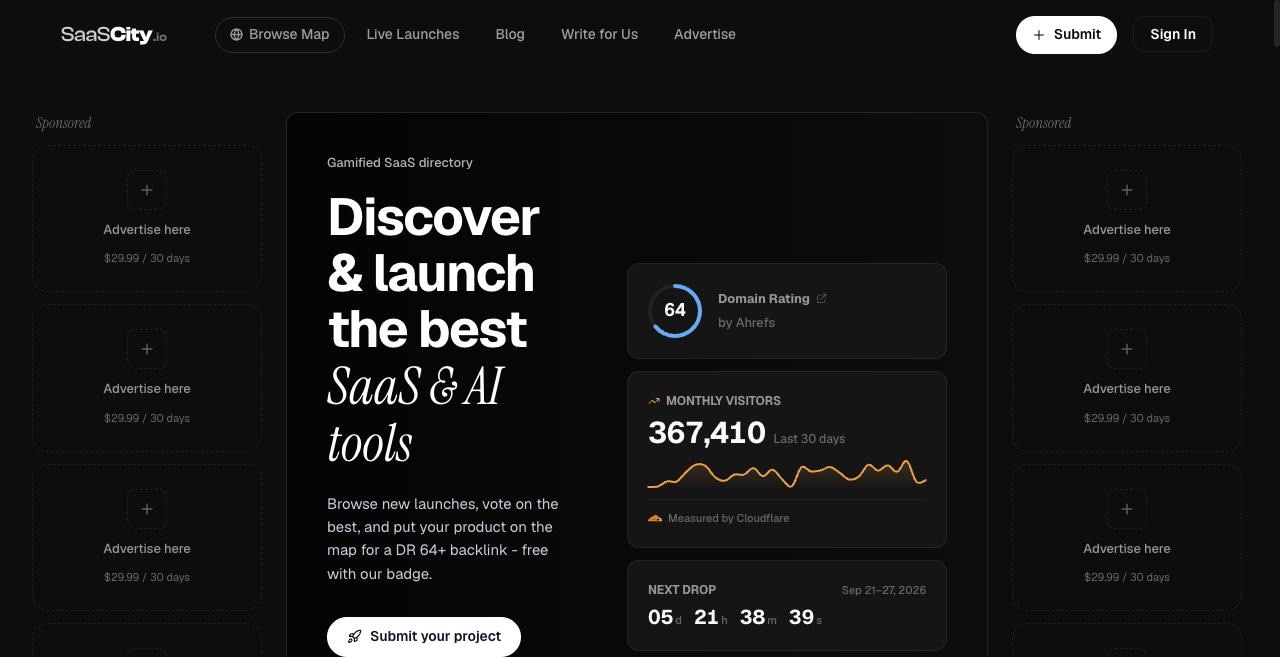
| SaaSCity | A permanent listing + weekly launch + dofollow backlink | Evergreen discovery, DR growth, a spot on the live city map | Low |
| There's An AI For That | AI products | Category traffic if you're genuinely an AI tool | Low |
| AppSumo | Lifetime-deal revenue pushes | Real money, questionable long-term unit economics | High |
| G2 / Capterra / GetApp | Review presence for B2B buyers | Slow-building trust signal, not a launch spike | Medium |
| SaaSHub, AlternativeTo | "Alternative to X" search traffic | High-intent evergreen referrals | Low |
Full disclosure on the SaaSCity row: that's us. SaaSCity is a SaaS directory built as a live city map — every product gets a permanent building, a launch slot in the weekly Monday queue, and a backlink from a high-DR domain (free listings can earn a dofollow link by adding the badge; pricing covers the fast-track options). We built it because launch-day spikes evaporate and founders need the evergreen layer too. Submit your product here — it takes about three minutes, and the AI autofill does most of the form from your URL.
Sequencing matters more than volume:
- Weeks before: BetaList and waitlist building.
- Launch day: Product Hunt + communities + email, everything coordinated.
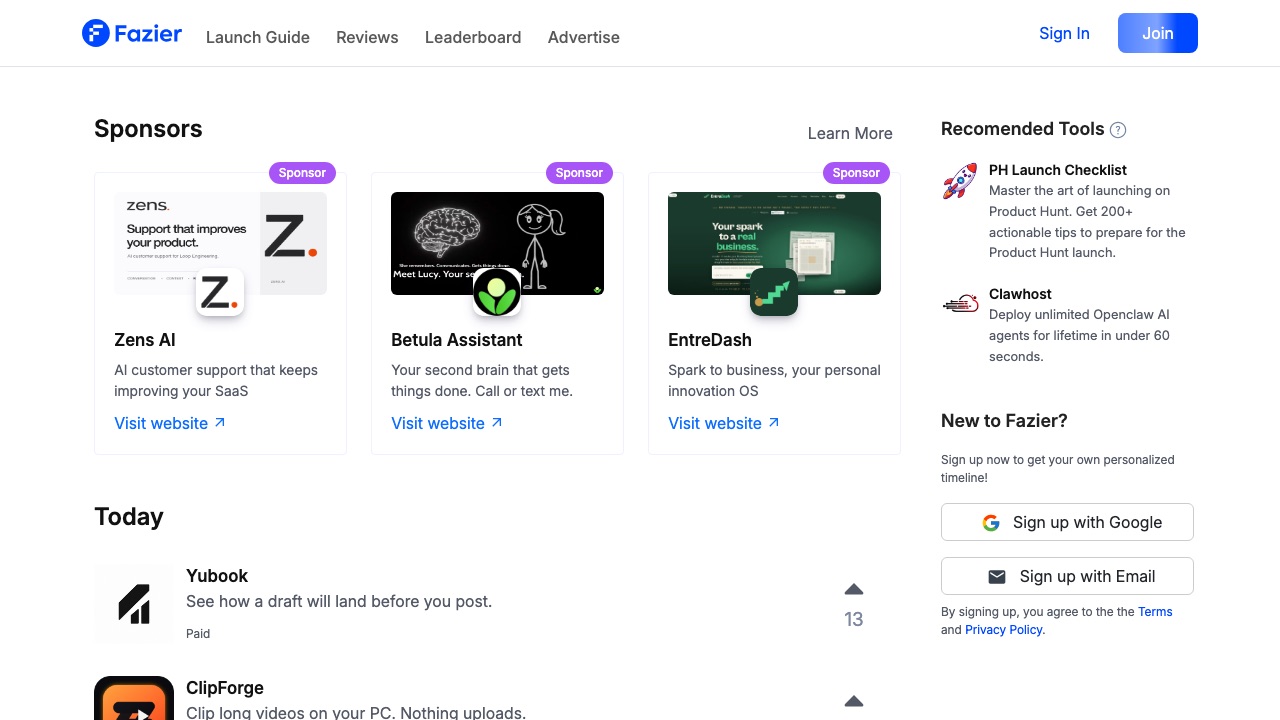
- Launch week: the smaller launch platforms (Uneed, Microlaunch, Fazier, Peerlist, SaaSCity's weekly launch) spread across days — each is a fresh excuse to post.
- Ongoing: directory submissions in batches, 50–100 over the following months. This is SEO infrastructure, not a launch event — our best SaaS directories list covers which ones matter and is kept current.
Two data-backed cautions. First, don't bet the launch on Product Hunt alone — founders consistently report that real customers came from personal outreach, niche communities, and Reddit, while PH delivered vanity metrics and a backlink. It's a channel, not a strategy, and if the day disappoints there's a whole list of Product Hunt alternatives to run the same play on. Second, random low-quality directories waste hours for nothing — there are over 2,000 of them and most exist purely to scrape your listing. Filter by Domain Rating and by whether real humans actually browse the site; the DR-based framework for choosing launch directories makes that filter concrete.
Phase 3: Post-Launch (Weeks 1–8)
The spike is over. What's left is the part that decides whether the launch was an event or the start of a business. A #4 Product Hunt finish followed by four weeks of visible shipping beats a #1 finish followed by silence, every time.
Respond to everything within 24 hours. Every comment, email, support ticket, and angry tweet in the first two weeks. A user who reports a bug on launch day and gets a fix announced within a day becomes a customer for life; the same user who gets silence churns quietly and tells two peers the product is abandoned. Early users aren't buying features — they're buying evidence that the product will keep improving.
Write a triage rule before launch. Anything that blocks signup, payment, or the core action gets fixed same-day; everything else gets scheduled. Write it down, because on day three post-launch you'll be tired and inclined to let things slide.
Collect testimonials while enthusiasm is hot. Ask your happiest early users for a two-sentence quote about what they achieved, inside the first two weeks when goodwill peaks. Those quotes go on your landing page and into every future sales conversation, and they're worth more than any ad you could buy.
Fix onboarding before adding features. The most common post-launch discovery is a signup-to-activation gap: people came, signed up, poked around, and left. If 60 percent of signups never reach your core action, your onboarding is broken regardless of how good the product is. The fixes are boringly consistent — get users to the aha moment before asking for anything, pre-load sample data instead of empty states, passwordless login or SSO where possible, cut signup to the minimum fields, kill the forced product tour. For B2B, make inviting a teammate a first-class action.
Read the metrics that matter, weekly:
| Metric | What it tells you | Healthy bar |
|---|---|---|
| Activation rate | Whether signups reach core value — the #1 post-launch number | 60%+ within 14 days |
| Day-7 / day-30 retention | Whether the value repeats | Watch the curve flatten above zero |
| Time-to-value | How long the aha moment takes | Minutes, not hours |
| Churn + stated reasons | What's broken or mis-sold | <5%/mo SMB, <2% enterprise |
| MRR growth | Whether any of the above translates into a business | The north star |
| LTV:CAC | Whether growth spend can ever make sense | 3:1 minimum, payback <12 months |
| NRR | Whether existing customers expand | 110–120% |
Talk to every user you can — especially the ones who leave. Refunds and churns give you the roadmap for free. A 15-minute call with someone who cancelled is worth fifty feature requests from people who've never paid. And don't just collect feature requests — understand the underlying workflows. Users request features when what they really need is a different approach to their core problem.
Start the compounding channels now. Case studies from your first wins, comparison pages against the competitors people actually evaluate, and problem-focused articles for the searches your ICP makes. In 2026 that includes being citable by AI assistants — a growing share of buyers now ask ChatGPT, Claude, or Perplexity what tool to use before they ever search Google. Our GEO/AEO playbook covers optimizing for AI citations, and the backlink layer from directories feeds both (here's how to grow domain rating without doing anything Google punishes).
Iterate in 1–2 week cycles driven by real usage data, not the loudest feature request. And build the unglamorous retention systems early: failed-payment recovery, reactivation emails, in-app nudges. The SaaS churn playbook has the full tactic list.
The early wins in this phase are almost always founder-led: DMs, personal onboarding calls, showing up in niche communities. Our guide to getting your first 100 users without spending money is effectively the companion piece to this phase.
Phase 4: Early Scaling
Once activation and retention hold up — not before — shift from launching to growing:
- Double down on the one or two channels that produced paying customers. The data from launch week and the post-launch stretch tells you which. For B2B, founder-led LinkedIn content is repeatedly the highest-ROI surprise.
- Add paid acquisition only after organic proof. Paid ads amplify a working funnel; they cannot create one. Start at $1,000–$3,000/month tests and scale only channels with proven unit economics.
- Revisit pricing with real data. If nobody has complained about price, you're underpriced. Raising prices for new customers while grandfathering early ones is the standard, safe move.
- Push NRR toward 120% through usage-based expansion, feature upsells, and seat expansion — acquiring a new customer costs 5–25x more than expanding an existing one.
- Systematize what you've been doing by hand — support docs from repeated questions, onboarding emails from repeated calls, a public roadmap if your users care.
- Build moats deliberately: proprietary data, network effects, workflow lock-in, brand and community. AI made features cheap to copy; these are what can't be cloned.
The SaaS math people always ask about
You'll run into the 3-3-2-2-2 rule if you research growth benchmarks — a framework for year-by-year revenue growth: roughly tripling in years one and two, doubling in year three, then 50, 30, and 20 percent after. It applies to funded companies chasing venture scale; most self-funded founders should ignore it as a goalpost and keep it as orientation.
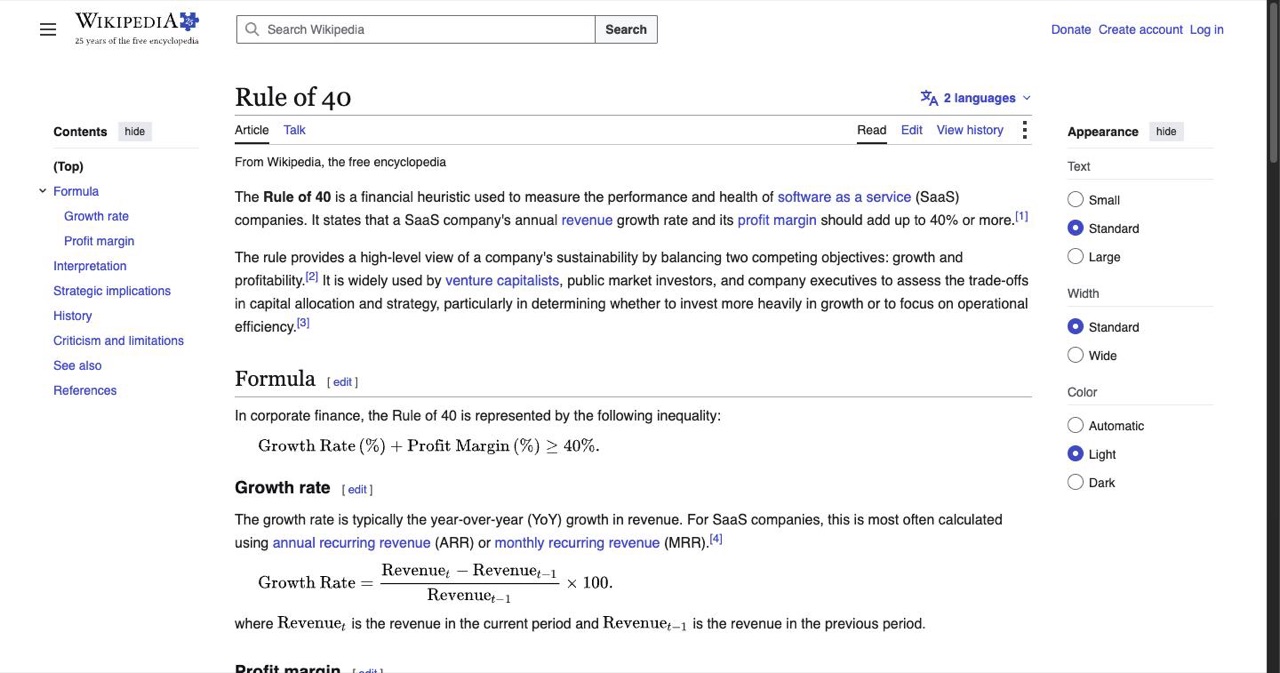
The Rule of 40 is the useful one: revenue growth rate plus profit margin should exceed 40 percent. A company growing 60 percent at a negative 20 percent margin passes; so does one growing 10 percent at a 30 percent margin. It legitimizes profitable-but-slower growth — if you're growing 15 percent a year at a 30 percent margin, you're fine, whatever the timeline says about hypergrowth.
Where the demand actually is in 2026
The "SaaS is falling" narrative is really a story about the middle: undifferentiated tools with generic features and no wedge are getting crushed, because AI has made it trivially easy to copy any feature that isn't defensible. The categories seeing genuine demand cluster around what AI created:
- AI-native architecture — products built with AI at the core (smart defaults, automation, personalization), not a feature bolted on for the landing page.
- Vertical and micro-SaaS — industry-specific tools (compliance for healthcare, inventory for restaurants) reach PMF faster and sustain solopreneurs at $10K–$50K MRR with minimal overhead.
- AI agent infrastructure and audit tooling — the picks-and-shovels layer of the agent wave.
- Security and compliance as a wedge — SOC 2 and GDPR readiness early is a genuine enterprise differentiator, not paperwork.
- Flexible pricing — usage-based, outcome-based, and hybrid models are displacing rigid tiers where the value metric is obvious.
The Timeline on One Screen
| Week | Focus |
|---|---|
| −12 to −9 | Problem interviews, competitor pass, landing page + waitlist live |
| −8 to −5 | MVP core loop, positioning tested, building in public begins |
| −4 to −3 | Soft beta (10–50 users), pricing settled, payments live-tested |
| −2 | Launch assets finalized, platform listings drafted, BetaList |
| −1 | Waitlist soft launch, no-go checklist, personalized outreach queued |
| 0 | Product Hunt + communities + email, all-day monitoring |
| +1 | Secondary launch platforms, respond to everything, first fixes shipped |
| +2 to +4 | Onboarding iteration, directory batch #1, first case study |
| +5 to +8 | Retention systems, comparison/SEO pages, double down on the winning channel |
The Mistakes That Keep Killing Launches
Every one of these appears in real post-mortems, most of them repeatedly:
- Building without validation — the biggest killer, per a decade of failure data.
- No ICP / no wedge — "for all teams" positioning that convinces no team, and a product description that fits your competitors with the logo swapped.
- Underpricing, or treating pricing as a detail to sort out later — or skipping the pricing page entirely when it's free validation.
- Launching cold — no waitlist, no community presence, day-one silence. A launch with zero warm audience is a message in a bottle.
- Treating one platform as the strategy and having no plan for day two — Product Hunt is a channel, not a strategy.
- Spreading the launch across three weeks instead of stacking channels on one day — six blips instead of one spike.
- Optimizing acquisition while activation is broken — filling a leaking bucket faster.
- Broken basics on launch day — auth or payments failing during your one big traffic spike.
- No analytics, so launch week produces noise instead of lessons.
- Celebrating vanity metrics — upvotes and signups over revenue and retention.
- Faceless launching — a logo posting where a human should be; audiences back people.
- Feature-dumping on the homepage — one wedge, three benefits, one call to action; anything more asks a stranger to do your positioning for you.
- Disappearing after launch week — the first month of responsiveness is your retention strategy, full stop.
- Inconsistency — three weeks of building in public, then silence until launch day.
FAQ
How long does launching a SaaS product take? The event is a week; the process is three to six months — roughly half before the event (validation, MVP, audience) and half after (activation, retention, iteration).
What are the 7 steps to launch a new product? Research the market, define positioning, validate with real prospects, build the MVP, price it, prepare marketing and sales materials, then launch and iterate. Validation is the step founders compress to nothing — and the one that costs most to skip.
Is Product Hunt worth it in 2026? Yes, for the spike, the backlink, and the social proof — if you prepped an audience. As a customer-acquisition strategy on its own, no.
What day should you launch on Product Hunt? Tuesday through Thursday, 12:01 AM Pacific — but only if someone can genuinely staff the thread from morning Pacific through the European evening. Otherwise pick a quieter day.
What does it cost to build and launch a SaaS MVP? MVP tooling, design, legal and infrastructure run roughly $2,300–$6,500; launch marketing, incentives and support another $4,800–$16,000. Add 30% contingency.
Which SaaS metrics matter from day one? Visitor→signup, signup→activation (60%+ in 14 days), activated→paying (5–10%), and NRR later — plus LTV:CAC of 3:1 and payback under 12 months as guardrails.
Free or paid beta? Paid if you credibly can, even at a founding-customer discount. Payment is the only validation signal that can't be polite.
What is the Rule of 40? Growth rate plus profit margin above 40 percent. It legitimizes slower, profitable growth — the right trade for most self-funded builders.
Is SaaS still profitable in 2026? Yes — recurring revenue and low marginal cost still make it one of the best small-team models, but the bar moved: you need a specific audience, a specific problem, and a wedge that survives copying.
What if the launch flops? Diagnose which stage broke (seen → signed up → activated → paid), fix that stage, and re-launch through different channels. First launches are drafts.
Do This Next
The playbook compresses to one sequence: validate willingness to pay → build the smallest excellent version while building an audience → stack the launch channels on one day → spend the following month on activation and retention, not features.
If you're at the start: book five problem interviews this week and put a waitlist page up today. If you're mid-build: start posting publicly now, not at launch. And if you're launch-ready: work through the 50-step launch checklist, then claim your building on SaaSCity — the weekly launch queue and the permanent listing are exactly the evergreen layer this guide keeps telling you to build.
The best time to start the pre-launch phase was two months ago. The second-best time is this afternoon.
Get your SaaS in front of founders
List your product on the SaaSCity live city map - a permanent listing, real discovery, and a backlink from a high-DR directory. Free to start; upgrade for a dofollow link and a building on the map.